
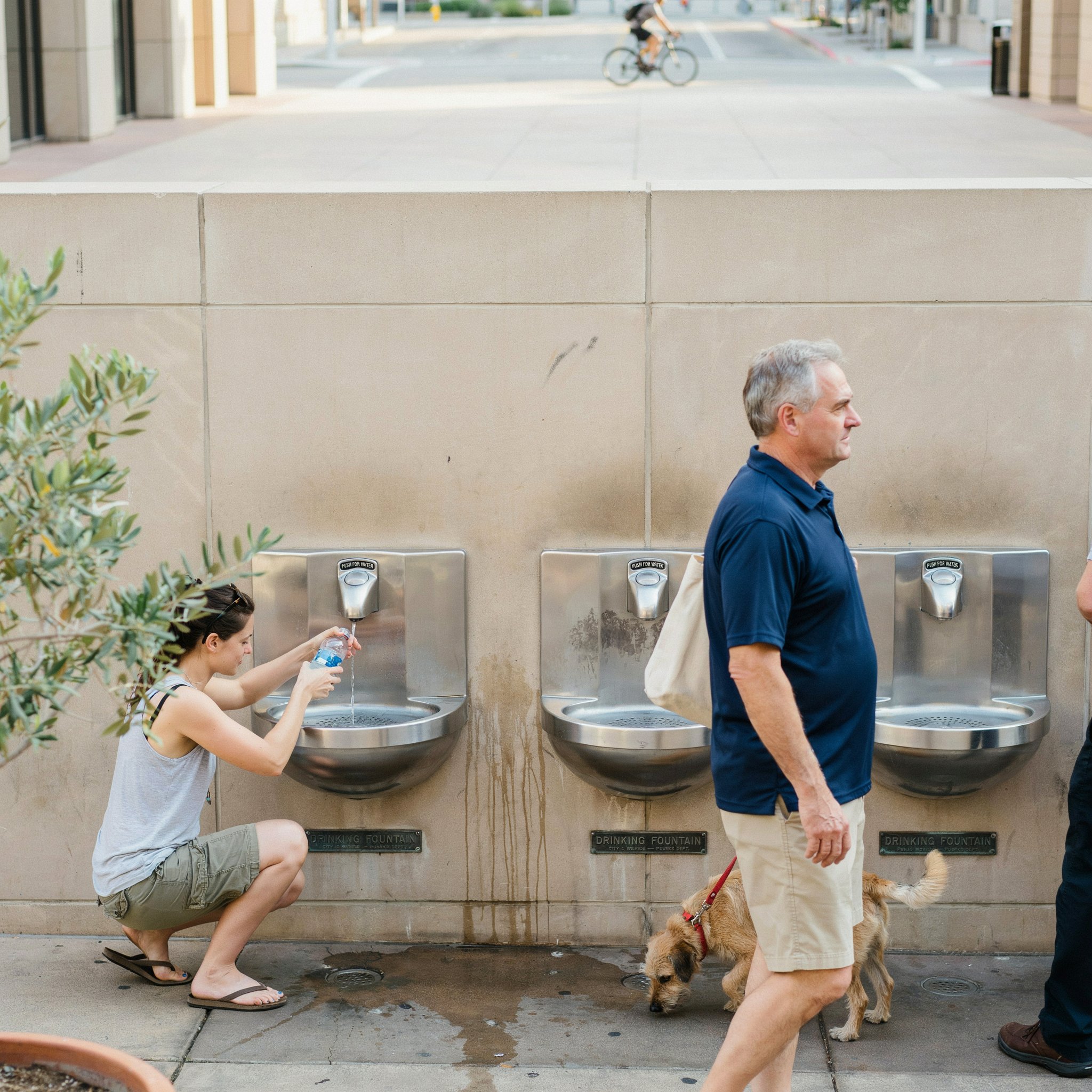
Drinking fountains have long been a symbol of public health, convenience, and community well-being. Found in schools, parks, offices, and public spaces, these fixtures provide easy access to clean drinking water, promoting hydration and sustainability. Over the years, drinking fountains have evolved from simple mechanical spouts to advanced, sensor-activated systems that incorporate filtration, temperature control, and eco-friendly designs. As concerns about health, hygiene, and environmental impact continue to grow, drinking fountains have become more important than ever. This comprehensive guide explores the history, types, benefits, and innovations of drinking fountains, along with practical insights into their maintenance and installation.
The History and Evolution of Drinking Fountains
The concept of public drinking fountains dates back to ancient civilizations, where communal water sources were essential for survival. In the 19th century, modern drinking fountains emerged as part of public health initiatives aimed at providing clean water and reducing the spread of disease. Early fountains were often ornate, made of stone or metal, and manually operated.
As urbanization increased, the need for accessible drinking water in public spaces became more pressing. By the mid-20th century, drinking fountains were standard fixtures in schools, parks, and workplaces. Over time, technological advancements introduced features such as refrigeration, filtration, and touchless operation. Today, drinking fountains are designed not only for functionality but also for hygiene, sustainability, and user convenience.
Types of Drinking Fountains
Wall-Mounted Drinking Fountains
Wall-mounted fountains are among the most common types found in schools, offices, and public buildings. They are compact, easy to install, and often equipped with built-in filters and refrigeration units. These fountains are ideal for indoor use and can be installed at various heights to accommodate both adults and children.
Outdoor Drinking Fountains
Outdoor fountains are designed to withstand harsh weather conditions and heavy use. They are commonly found in parks, playgrounds, and sports facilities. Many outdoor models feature vandal-resistant materials, freeze-resistant valves, and multiple spouts for accessibility.
Bottle-Filling Stations
In response to growing environmental awareness, bottle-filling stations have become increasingly popular. These modern fountains allow users to refill reusable bottles quickly and hygienically, reducing plastic waste. Many models include digital counters that display the number of plastic bottles saved, reinforcing sustainability efforts.
Pet-Friendly Drinking Fountains
Pet-friendly fountains are designed for parks and recreational areas where people bring their pets. These fountains feature lower spouts or bowls that allow animals to drink comfortably, promoting hydration for both humans and pets.
Touchless and Sensor-Activated Fountains
Touchless drinking fountains use motion sensors to dispense water, minimizing contact and reducing the spread of germs. These models are particularly popular in hospitals, schools, and airports, where hygiene is a top priority.
Benefits of Drinking Fountains
Promoting Public Health and Hydration
Drinking fountains encourage regular water consumption, which is essential for maintaining good health. Access to clean water helps prevent dehydration, supports physical performance, and improves concentration, especially in schools and workplaces.
Environmental Sustainability
By providing an alternative to bottled water, drinking fountains significantly reduce plastic waste. Bottle-filling stations, in particular, promote the use of reusable containers, helping communities move toward more sustainable practices.
Cost-Effective Water Access
Installing drinking fountains is a cost-effective way to provide clean water to large groups of people. Compared to the ongoing expense of bottled water, fountains offer a long-term, economical solution for hydration.
Accessibility and Inclusivity
Modern drinking fountains are designed to meet accessibility standards, ensuring that people of all ages and abilities can use them comfortably. Many models include multiple spouts at different heights, making them suitable for children and wheelchair users.
Hygiene and Safety
With the introduction of touchless technology and advanced filtration systems, drinking fountains now offer safer and more hygienic water access. Filters remove contaminants such as chlorine, lead, and bacteria, ensuring that the water is clean and safe to drink.

Modern Innovations in Drinking Fountains
The latest generation of drinking fountains incorporates smart technology and eco-friendly features. Some models include UV-C light sterilization to eliminate bacteria, while others use IoT (Internet of Things) connectivity to monitor usage and maintenance needs. Energy-efficient refrigeration systems and water-saving valves further enhance sustainability.
Design has also evolved, with sleek stainless-steel finishes and customizable options that blend seamlessly into modern architecture. These innovations make drinking fountains not only functional but also aesthetically pleasing additions to public and private spaces.
Maintenance and Care Tips
Proper maintenance is essential to ensure the longevity and performance of drinking fountains. Regular cleaning prevents the buildup of bacteria and mineral deposits. Filters should be replaced according to manufacturer recommendations, and plumbing components should be inspected periodically for leaks or blockages. For outdoor fountains, winterization is crucial to prevent freezing damage.
Facility managers should also schedule routine water quality testing to ensure compliance with health and safety standards. With consistent care, drinking fountains can provide reliable service for many years.
Conclusion
Drinking fountains remain an essential part of modern infrastructure, offering a sustainable, hygienic, and cost-effective way to provide clean water to the public. From traditional wall-mounted models to advanced touchless systems, these fixtures continue to evolve to meet the needs of today’s health-conscious and environmentally aware society. By promoting hydration, reducing plastic waste, and enhancing accessibility, drinking fountains play a vital role in building healthier and more sustainable communities.
Frequently Asked Questions (FAQ)
1. What is the purpose of a drinking fountain?
A drinking fountain provides easy access to clean, safe drinking water in public and private spaces, promoting hydration and reducing reliance on bottled water.
2. Are drinking fountains safe to use?
Yes, modern drinking fountains are equipped with filtration systems and touchless technology that ensure water safety and hygiene.
3. How often should drinking fountains be cleaned?
Drinking fountains should be cleaned at least once a week, with filters replaced every few months depending on usage and manufacturer guidelines.
4. What are bottle-filling stations?
Bottle-filling stations are modern drinking fountains that allow users to refill reusable bottles quickly, helping reduce plastic waste.
5. Can drinking fountains be installed outdoors?
Yes, outdoor drinking fountains are designed with durable materials and freeze-resistant components to withstand weather conditions.
6. Do drinking fountains save money?
Yes, they provide a cost-effective alternative to bottled water, reducing long-term expenses for facilities and organizations.
7. Are there drinking fountains for pets?
Yes, many parks and recreational areas feature pet-friendly fountains with lower spouts or bowls for animals.
8. What materials are used in drinking fountains?
Most drinking fountains are made from stainless steel, cast iron, or heavy-duty plastic to ensure durability and hygiene.
9. How do touchless drinking fountains work?
Touchless fountains use motion sensors to detect hand movement and automatically dispense water, minimizing contact and preventing germ spread.
10. Why are drinking fountains important for sustainability?
Drinking fountains reduce plastic waste by encouraging the use of reusable bottles and providing a continuous source of clean water without disposable packaging.