
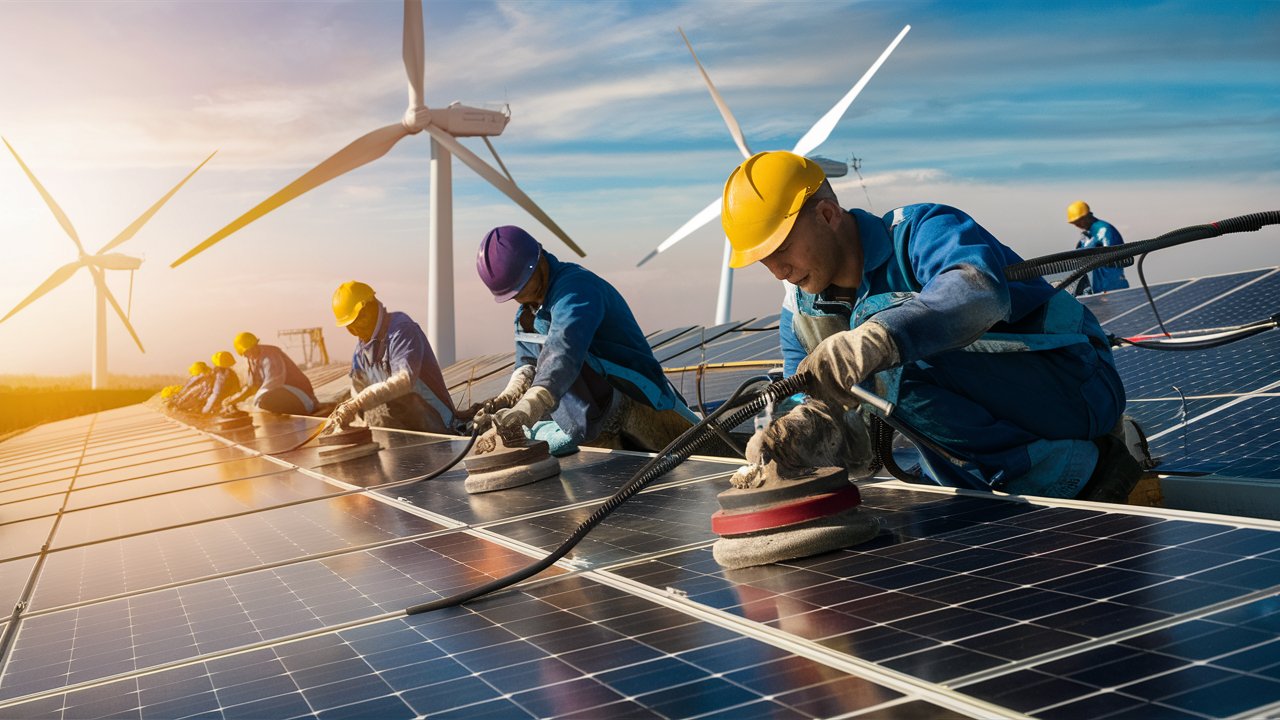
Solar panel cleaning is an essential yet often overlooked aspect of maintaining a solar energy system. Over time, dust, dirt, bird droppings, pollen, and other debris accumulate on the surface of solar panels, reducing their ability to absorb sunlight effectively. This buildup can significantly decrease energy output and efficiency, leading to lower returns on investment. Regular solar panel cleaning ensures that panels operate at peak performance, extending their lifespan and maximizing energy production. This comprehensive guide explores the importance of solar panel cleaning, the best methods, tools, and professional services available, as well as tips for maintaining clean and efficient solar panels year-round.
1. What Is Solar Panel Cleaning?
Solar panel cleaning refers to the process of removing dirt, dust, and other contaminants from the surface of solar panels to maintain optimal energy efficiency. Since solar panels rely on sunlight to generate electricity, any obstruction on their surface can reduce their performance. Cleaning can be done manually using water and soft brushes or through automated systems designed for large-scale installations. The frequency and method of cleaning depend on environmental factors such as location, weather conditions, and the amount of dust or pollution in the area.
2. Why Solar Panel Cleaning Is Important
Clean solar panels are crucial for maintaining maximum energy output. Studies have shown that dirty panels can lose between 15% to 25% of their efficiency, depending on the level of contamination. Dust and grime act as barriers that block sunlight from reaching the photovoltaic cells, reducing the system’s ability to generate electricity. Regular cleaning not only improves performance but also prevents long-term damage caused by corrosive substances like bird droppings or industrial pollutants. Keeping panels clean ensures consistent energy production, lower maintenance costs, and a longer system lifespan.
3. How Often Should Solar Panels Be Cleaned?
The frequency of solar panel cleaning depends on several factors, including geographic location, weather patterns, and environmental conditions. In dusty or arid regions, panels may require cleaning every two to three months. In areas with frequent rain, natural rainfall can help wash away some debris, reducing the need for manual cleaning. However, even in such regions, periodic inspections are recommended to ensure optimal performance. Homeowners and businesses should monitor their energy output regularly; a noticeable drop in efficiency often indicates that cleaning is needed.
4. Best Methods for Solar Panel Cleaning
There are several effective methods for cleaning solar panels, each suited to different situations and system sizes. The most common approach involves using deionized water and a soft brush or sponge to gently remove dirt without scratching the glass surface. For larger installations, automated cleaning systems or robotic cleaners can be used to save time and labor. It is important to avoid harsh chemicals, abrasive materials, or high-pressure washers, as these can damage the panels. Cleaning should ideally be done early in the morning or late in the evening when panels are cool to prevent streaking or cracking due to temperature differences.
5. DIY Solar Panel Cleaning vs. Professional Services
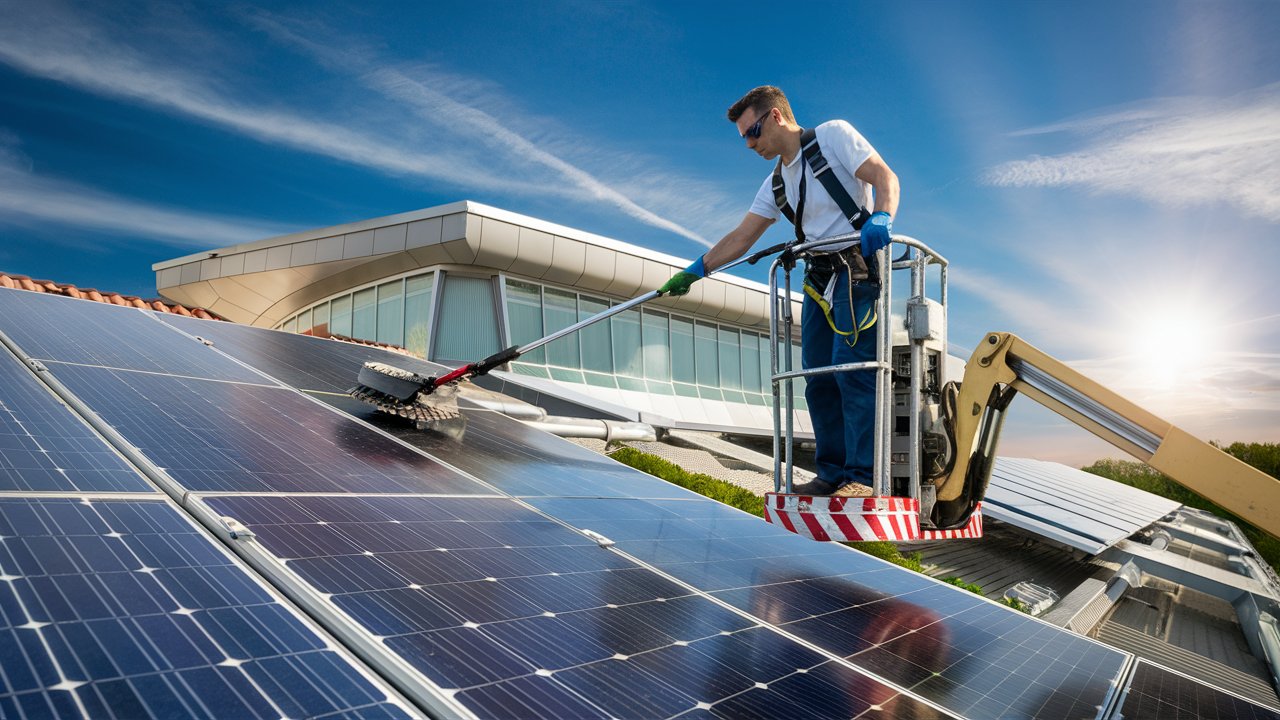
While many homeowners choose to clean their solar panels themselves, professional solar panel cleaning services offer several advantages. Professionals use specialized equipment, purified water, and safety gear to ensure thorough and safe cleaning, especially for rooftop installations. They can also inspect panels for damage, loose wiring, or other maintenance issues during the cleaning process. DIY cleaning can be cost-effective for ground-mounted systems, but for large or hard-to-reach installations, hiring professionals ensures better results and minimizes the risk of injury or damage.
6. Tools and Equipment for Solar Panel Cleaning
Proper tools are essential for effective and safe solar panel cleaning. Common tools include soft-bristle brushes, squeegees, microfiber cloths, extension poles, and hoses with gentle spray nozzles. Using deionized or distilled water helps prevent mineral deposits and streaks on the glass surface. For commercial or large-scale solar farms, automated cleaning robots and water-efficient systems are increasingly popular. These advanced tools reduce water consumption and labor costs while maintaining consistent cleaning quality across large arrays.
7. The Cost of Solar Panel Cleaning
The cost of solar panel cleaning varies depending on the size of the system, location, and accessibility. On average, residential solar panel cleaning costs range from $100 to $300 per session, while commercial systems may cost more due to their scale. Some companies offer maintenance packages that include regular cleaning and inspections throughout the year. Although it may seem like an additional expense, regular cleaning pays off by improving energy efficiency and preventing costly repairs caused by neglect or buildup.
8. Environmental Benefits of Solar Panel Cleaning
Keeping solar panels clean not only enhances performance but also supports environmental sustainability. Clean panels generate more renewable energy, reducing reliance on fossil fuels and lowering carbon emissions. Additionally, using eco-friendly cleaning methods—such as water-efficient systems and biodegradable cleaning agents—minimizes environmental impact. By maintaining clean solar panels, homeowners and businesses contribute to a greener planet while maximizing the benefits of their solar investments.
9. Common Mistakes to Avoid When Cleaning Solar Panels
Improper cleaning techniques can damage solar panels and reduce their lifespan. Common mistakes include using abrasive materials, harsh detergents, or high-pressure water jets that can scratch or crack the glass. Cleaning panels during peak sunlight hours can also cause thermal shock, leading to potential damage. It is important to follow manufacturer guidelines and use gentle, non-abrasive cleaning methods. When in doubt, consulting a professional ensures that panels are cleaned safely and effectively.
10. Future Trends in Solar Panel Cleaning Technology
The solar industry continues to innovate with new cleaning technologies designed to improve efficiency and reduce maintenance costs. Robotic cleaning systems, waterless cleaning solutions, and self-cleaning coatings are becoming increasingly popular. These technologies use advanced sensors and automation to detect dirt buildup and clean panels without human intervention. As solar energy adoption grows worldwide, these innovations will play a key role in maintaining system performance and sustainability.
Conclusion
Solar panel cleaning is a vital part of maintaining an efficient and long-lasting solar energy system. Regular cleaning ensures that panels operate at maximum capacity, delivering the highest possible energy output and return on investment. Whether through DIY methods or professional services, keeping solar panels clean helps prevent damage, extend their lifespan, and support environmental sustainability. As solar technology continues to evolve, proper maintenance and cleaning will remain essential for achieving the full potential of renewable energy systems.
Frequently Asked Questions
1. How often should solar panels be cleaned?
Most solar panels should be cleaned at least twice a year, though frequency may increase in dusty or polluted areas. Regular monitoring of energy output helps determine when cleaning is needed.
2. Can rain clean solar panels effectively?
While rain can remove some surface dust, it is not sufficient to clean panels thoroughly. Rainwater often leaves residue or streaks that can still reduce efficiency.
3. Is it safe to clean solar panels with tap water?
Tap water can contain minerals that leave spots or streaks on panels. Using deionized or distilled water is recommended for a spotless finish.
4. Can solar panels be damaged during cleaning?
Yes, improper cleaning methods such as using abrasive tools or high-pressure water can damage panels. Always use soft brushes and gentle cleaning techniques.
5. Should solar panels be turned off before cleaning?
Yes, it is advisable to turn off the solar system before cleaning to ensure safety and prevent electrical hazards.
6. How much does professional solar panel cleaning cost?
Professional cleaning typically costs between $100 and $300 for residential systems, depending on size and accessibility.
7. Are there self-cleaning solar panels?
Some modern solar panels come with hydrophobic or self-cleaning coatings that reduce dirt buildup, though periodic manual cleaning is still recommended.
8. What time of day is best for cleaning solar panels?
Early morning or late evening is ideal, as panels are cooler and less likely to experience thermal shock or streaking.
9. Can solar panel cleaning increase energy output?
Yes, regular cleaning can improve energy output by up to 25%, depending on how dirty the panels were before cleaning.
10. Is professional solar panel cleaning worth it?
For large or hard-to-reach installations, professional cleaning is highly recommended. It ensures safety, thorough cleaning, and long-term system efficiency.