
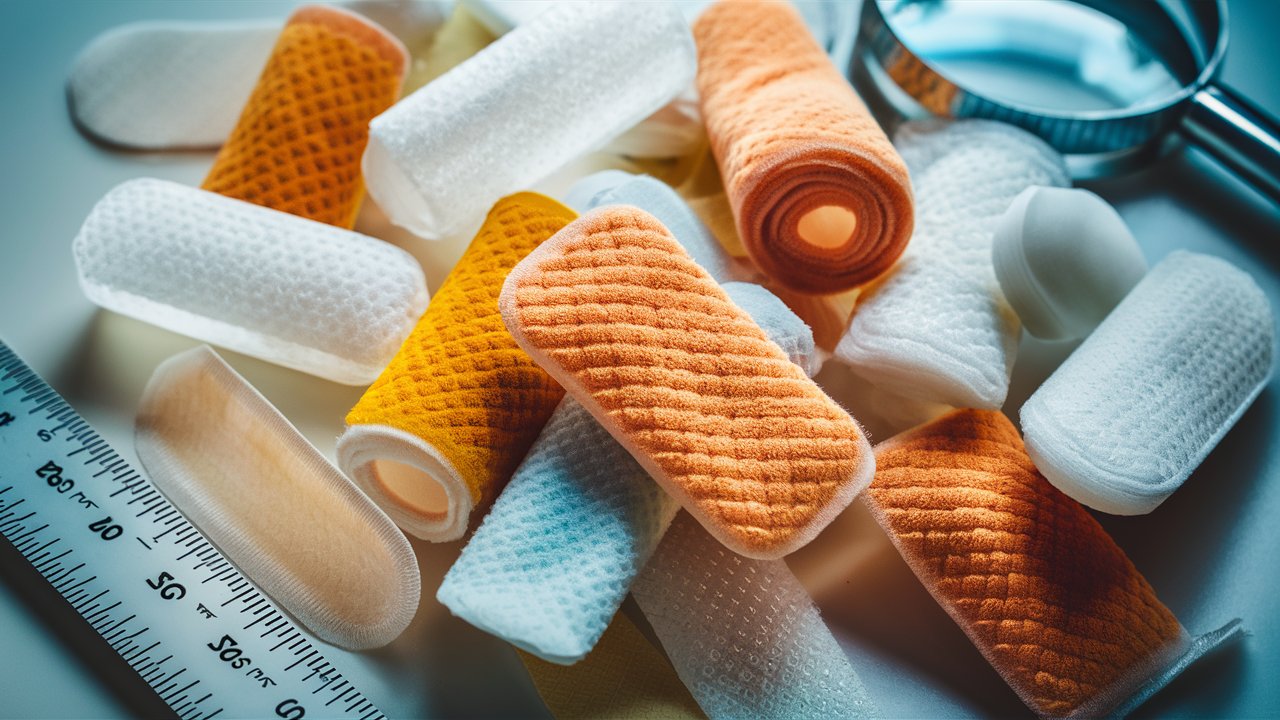
Hydrocolloid bandages have become a revolutionary solution in modern wound care, offering advanced healing benefits that go far beyond traditional adhesive bandages. These innovative dressings are designed to create a moist environment that promotes faster recovery, reduces scarring, and protects wounds from external contaminants. Whether used for acne, blisters, burns, or surgical wounds, hydrocolloid bandages have gained immense popularity among healthcare professionals and skincare enthusiasts alike. This comprehensive guide explores everything about hydrocolloid bandages, including their benefits, how they work, and why they are considered one of the best wound care products available today.
What Are Hydrocolloid Bandages?
Hydrocolloid bandages are specialized wound dressings made from gel-forming agents such as pectin, gelatin, and carboxymethylcellulose. These materials are embedded within a flexible, waterproof outer layer that adheres comfortably to the skin. When applied to a wound, the hydrocolloid layer interacts with wound exudate (fluid) to form a moist, gel-like substance that supports the body’s natural healing process. This environment not only accelerates tissue regeneration but also minimizes pain and discomfort during recovery.
Unlike traditional bandages that simply cover a wound, hydrocolloid bandages actively participate in the healing process. They maintain optimal moisture levels, prevent scab formation, and protect against bacteria and dirt. This makes them ideal for treating chronic wounds, pressure ulcers, minor burns, and even acne lesions.
How Hydrocolloid Bandages Work
The science behind hydrocolloid bandages lies in their ability to create a moist healing environment. When the dressing comes into contact with wound fluid, it absorbs the exudate and transforms into a soft gel. This gel acts as a cushion, protecting the wound from friction and external pressure while maintaining a stable temperature and humidity level.
This moist environment encourages autolytic debridement, a natural process where the body breaks down and removes dead tissue without the need for harsh chemicals or mechanical cleaning. As a result, new skin cells can form more efficiently, leading to faster and cleaner healing. Additionally, the waterproof outer layer of hydrocolloid bandages prevents contamination from water, bacteria, and other external irritants, allowing the wound to heal undisturbed.
Benefits of Hydrocolloid Bandages
Hydrocolloid bandages offer numerous advantages that make them superior to conventional wound dressings.
1. Faster Healing
By maintaining a moist environment, hydrocolloid bandages accelerate the body’s natural healing process. This reduces the overall recovery time and minimizes the risk of scarring.
2. Pain-Free Removal
Unlike traditional bandages that can stick to wounds and cause pain upon removal, hydrocolloid bandages lift off gently without damaging new tissue. This makes them ideal for sensitive skin and delicate wounds.
3. Protection Against Infection
The waterproof and bacteria-resistant outer layer acts as a barrier, keeping harmful microorganisms away from the wound. This significantly lowers the risk of infection and promotes safer healing.
4. Comfort and Flexibility
Hydrocolloid bandages are designed to conform to the body’s natural contours, making them comfortable to wear even on joints or areas prone to movement. Their discreet appearance also makes them suitable for facial use, especially for acne treatment.
5. Versatility
These bandages can be used for a wide range of conditions, including blisters, burns, pressure sores, surgical wounds, and acne. Their adaptability makes them a must-have in both first aid kits and skincare routines.
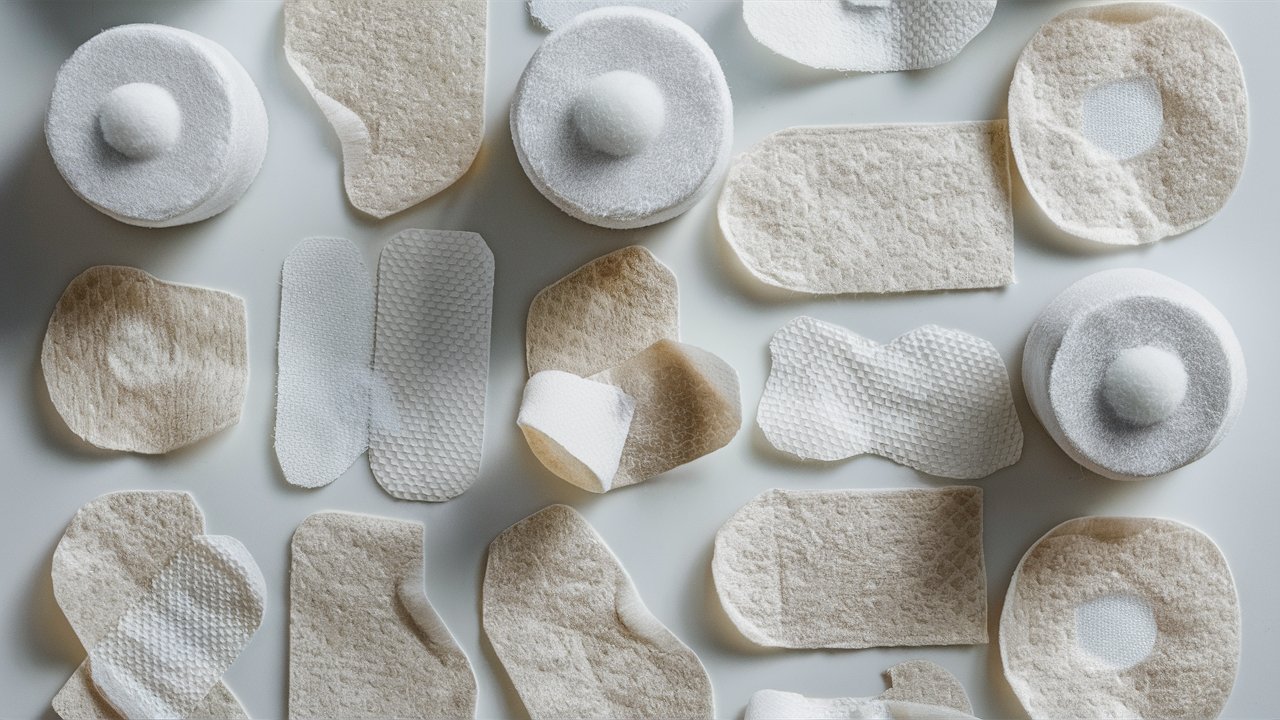
Common Uses of Hydrocolloid Bandages
Hydrocolloid bandages are widely used in both medical and cosmetic applications.
- Acne Treatment: Hydrocolloid patches are popular for treating pimples and whiteheads. They absorb pus and oil, reduce inflammation, and prevent picking, which helps avoid scarring.
- Blister Care: Athletes and hikers often use hydrocolloid bandages to protect blisters from friction and promote faster healing.
- Minor Burns: The moist environment created by these bandages soothes pain and prevents the wound from drying out.
- Post-Surgical Wounds: Hydrocolloid dressings are used after surgeries to protect incisions and promote clean healing.
- Pressure Ulcers: In hospitals and long-term care facilities, hydrocolloid bandages are used to manage pressure sores and chronic wounds.
How to Use Hydrocolloid Bandages Correctly
To achieve the best results, proper application is essential. Begin by cleaning the wound gently with mild soap and water, then pat it dry. Choose a hydrocolloid bandage that completely covers the wound with at least a one-inch margin around it. Apply the bandage smoothly without stretching it, ensuring it adheres firmly to the skin. Leave it in place for several days or until it begins to lift at the edges. Avoid changing it too frequently, as the dressing works best when left undisturbed.
When removing the bandage, peel it off slowly from one edge to minimize discomfort. If any residue remains, gently clean the area before applying a new dressing.
Potential Drawbacks and Precautions
While hydrocolloid bandages are generally safe, they may not be suitable for heavily infected or bleeding wounds. In such cases, medical supervision is recommended. Some individuals with sensitive skin may experience mild irritation or allergic reactions to the adhesive. Always test a small area first and discontinue use if redness or itching occurs.
Choosing the Best Hydrocolloid Bandages
When selecting hydrocolloid bandages, consider factors such as size, thickness, and intended use. For acne, small circular patches are ideal, while larger rectangular dressings work better for burns or surgical wounds. Reputable brands often provide medical-grade materials that ensure safety and effectiveness.
Conclusion
Hydrocolloid bandages represent a significant advancement in wound care technology, offering a combination of protection, comfort, and accelerated healing. Their ability to maintain a moist environment, prevent infection, and reduce scarring makes them an essential part of both medical and skincare routines. Whether used for acne, blisters, or post-surgical recovery, hydrocolloid bandages provide a reliable and effective solution for faster, cleaner healing.
Frequently Asked Questions (FAQ)
1. Can hydrocolloid bandages be used on open wounds?
Yes, hydrocolloid bandages can be used on minor open wounds, but they are not suitable for heavily bleeding or infected wounds.
2. How long should a hydrocolloid bandage stay on?
Typically, a hydrocolloid bandage can stay on for 3 to 7 days, depending on the wound’s condition and the manufacturer’s instructions.
3. Are hydrocolloid bandages good for acne?
Yes, hydrocolloid patches are highly effective for acne. They absorb pus and oil, reduce redness, and prevent touching or picking at pimples.
4. Can hydrocolloid bandages get wet?
Yes, they are waterproof and can withstand exposure to water during showers or daily activities.
5. Do hydrocolloid bandages help reduce scars?
By maintaining a moist healing environment, hydrocolloid bandages minimize scab formation and promote smoother skin regeneration, which helps reduce scarring.
6. Are hydrocolloid bandages reusable?
No, hydrocolloid bandages are designed for single use only. Reusing them can compromise their effectiveness and hygiene.
7. Where can hydrocolloid bandages be purchased?
They are available at pharmacies, medical supply stores, and online retailers. Always choose reputable brands for the best results.
8. Can hydrocolloid bandages be used on sensitive skin?
Yes, most hydrocolloid bandages are gentle and suitable for sensitive skin, but it’s advisable to test a small area first to ensure no allergic reaction occurs.
9. What makes hydrocolloid bandages different from regular bandages?
Unlike regular bandages that simply cover wounds, hydrocolloid bandages actively promote healing by maintaining moisture and protecting against bacteria.
10. Are hydrocolloid bandages safe for children?
Yes, they are safe for children when used appropriately under adult supervision, especially for minor cuts, scrapes, or blisters.