
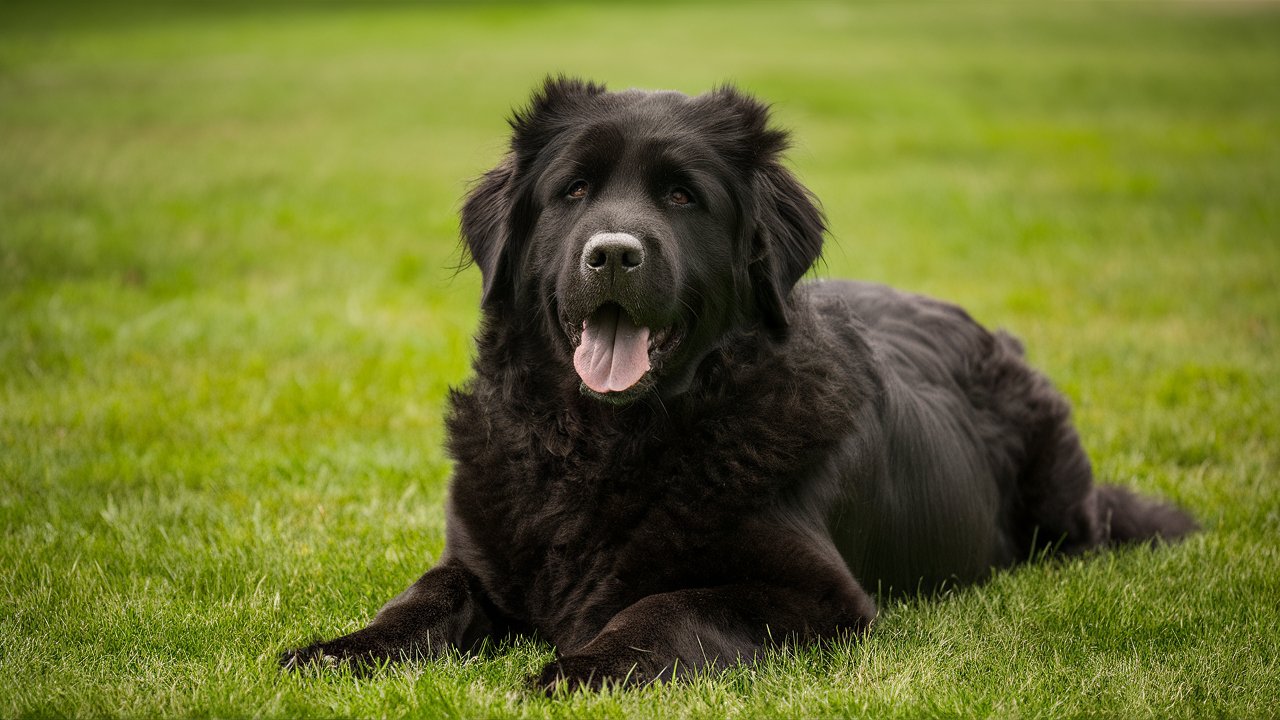
The Newfoundland dog, often referred to as the “gentle giant,” is one of the most beloved and majestic breeds in the world. Known for its massive size, calm temperament, and exceptional swimming ability, this breed has captured the hearts of dog lovers for centuries. Originally bred as a working dog in Newfoundland, Canada, the Newfoundland dog has a rich history of assisting fishermen, rescuing drowning victims, and serving as a loyal family companion. With its thick double coat, webbed feet, and kind eyes, the Newfoundland dog stands out not only for its appearance but also for its intelligence and devotion.
History of the Newfoundland Dog
The Newfoundland dog originated on the island of Newfoundland, off the east coast of Canada. It is believed that the breed descended from a mix of indigenous working dogs and European breeds brought by fishermen in the 15th and 16th centuries. These dogs were bred for strength, endurance, and swimming ability, making them invaluable to fishermen who relied on them to haul nets, retrieve items from the water, and even rescue people from drowning. Over time, the Newfoundland dog became known for its bravery and loyalty, earning a reputation as one of the best water rescue dogs in the world.
Physical Characteristics
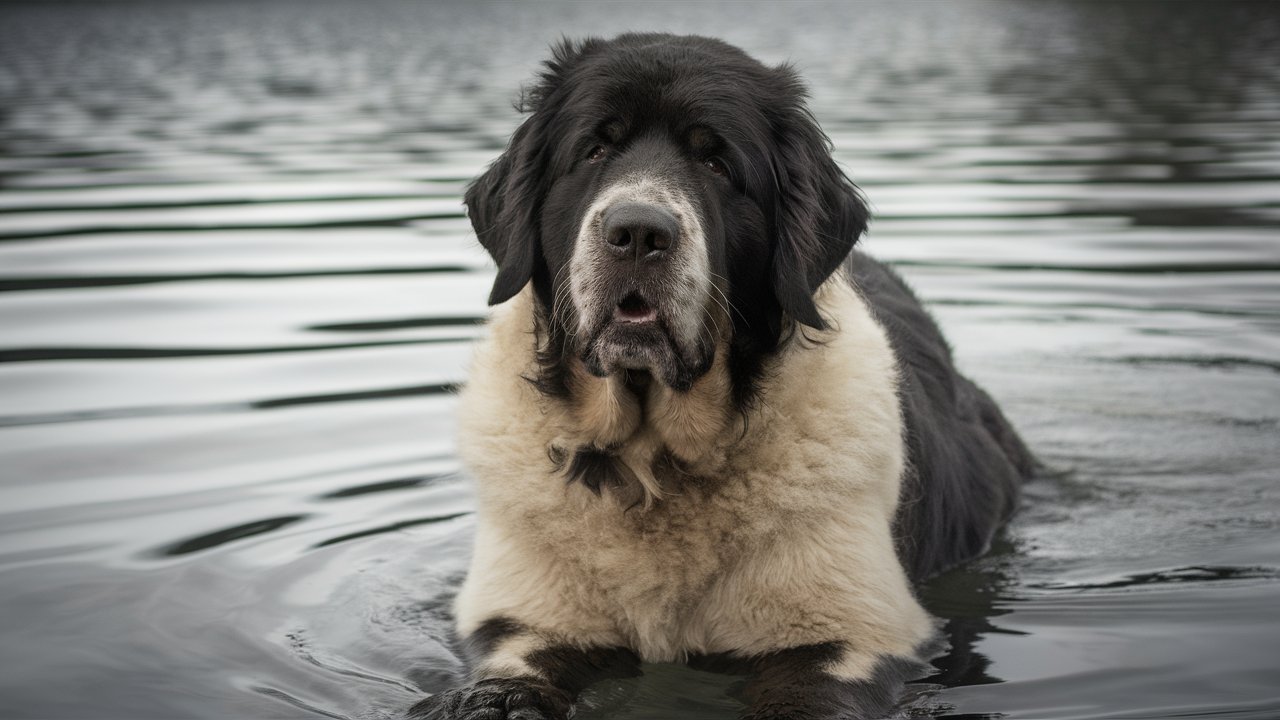
The Newfoundland dog is a large, powerful breed with a strong, muscular build. Males typically weigh between 130 to 150 pounds, while females range from 100 to 120 pounds. Their thick double coat provides insulation against cold water and harsh weather, making them well-suited for outdoor work. Common coat colors include black, brown, gray, and Landseer (white with black markings). Their webbed feet and broad chest make them exceptional swimmers, while their expressive eyes and gentle expression reflect their calm and affectionate nature.
Temperament and Personality
Newfoundland dogs are known for their gentle, patient, and loving temperament. Despite their size, they are incredibly calm and good-natured, making them excellent companions for families with children. They are protective without being aggressive and are often described as “nanny dogs” because of their instinct to watch over and care for their loved ones. Their intelligence and eagerness to please make them easy to train, though they respond best to positive reinforcement and gentle guidance.
Training and Exercise Needs
While the Newfoundland dog is not overly energetic, it still requires regular exercise to maintain good health and prevent obesity. Daily walks, swimming sessions, and playtime in a secure area are ideal for keeping this breed fit and happy. Training should begin early, focusing on socialization and obedience. Because of their size, it’s important to teach them proper manners from a young age to prevent unwanted behaviors as they grow. Newfoundland dogs thrive on companionship and should not be left alone for long periods, as they can become lonely or anxious.
Grooming and Maintenance
The Newfoundland’s thick double coat requires regular grooming to prevent matting and reduce shedding. Brushing several times a week helps keep the coat clean and healthy, while more frequent grooming may be needed during shedding seasons. Bathing should be done as necessary, using a gentle dog shampoo. Regular ear cleaning, nail trimming, and dental care are also essential parts of maintaining the dog’s overall health. Because of their size and coat, Newfoundland dogs can be prone to overheating, so it’s important to keep them cool in warm weather.
Health and Lifespan
Newfoundland dogs generally live between 8 to 10 years. Like many large breeds, they are susceptible to certain health conditions such as hip dysplasia, elbow dysplasia, heart disease, and cystinuria (a kidney condition). Regular veterinary checkups, a balanced diet, and proper exercise can help reduce the risk of these issues. Responsible breeders screen for genetic conditions to ensure healthier puppies. Maintaining a healthy weight is crucial, as excess weight can put additional strain on their joints and heart.
Newfoundland Dog as a Family Pet
The Newfoundland dog is one of the most affectionate and loyal breeds, making it an ideal family pet. Its calm demeanor and protective instincts make it especially good with children. Despite its size, it is gentle and tolerant, often forming strong bonds with every member of the household. However, due to its large size and grooming needs, it may not be suitable for small apartments or owners who cannot commit to regular maintenance. Families with space and time to care for this breed will find a devoted and loving companion in the Newfoundland dog.
Conclusion
The Newfoundland dog is a remarkable breed that combines strength, intelligence, and compassion. From its origins as a hardworking fisherman’s helper to its modern role as a beloved family companion, the Newfoundland continues to impress with its loyalty and gentle nature. Owning a Newfoundland dog requires commitment, but the rewards are immense—a faithful friend who embodies love, courage, and devotion.
Frequently Asked Questions
1. Are Newfoundland dogs good with children?
Yes, Newfoundland dogs are known for their gentle and patient nature, making them excellent companions for children.
2. How much exercise does a Newfoundland dog need?
They require moderate daily exercise, such as walks and swimming, to stay healthy and prevent obesity.
3. Do Newfoundland dogs shed a lot?
Yes, they shed heavily, especially during seasonal changes. Regular brushing helps manage shedding.
4. Are Newfoundland dogs easy to train?
They are intelligent and eager to please, but training should be consistent and positive.
5. What is the average lifespan of a Newfoundland dog?
The average lifespan is around 8 to 10 years, depending on genetics and overall care.
6. Can Newfoundland dogs live in warm climates?
They can adapt to warmer climates but must be kept cool and hydrated, as their thick coats make them prone to overheating.
7. Are Newfoundland dogs good swimmers?
Yes, they are exceptional swimmers with webbed feet and a natural instinct for water rescue.
8. How big do Newfoundland dogs get?
Adult males can weigh up to 150 pounds, while females typically weigh between 100 and 120 pounds.
9. Do Newfoundland dogs drool a lot?
Yes, they are known to drool, especially after eating or drinking.
10. Are Newfoundland dogs good guard dogs?
They are protective and alert but not aggressive, making them better watchdogs than guard dogs.