
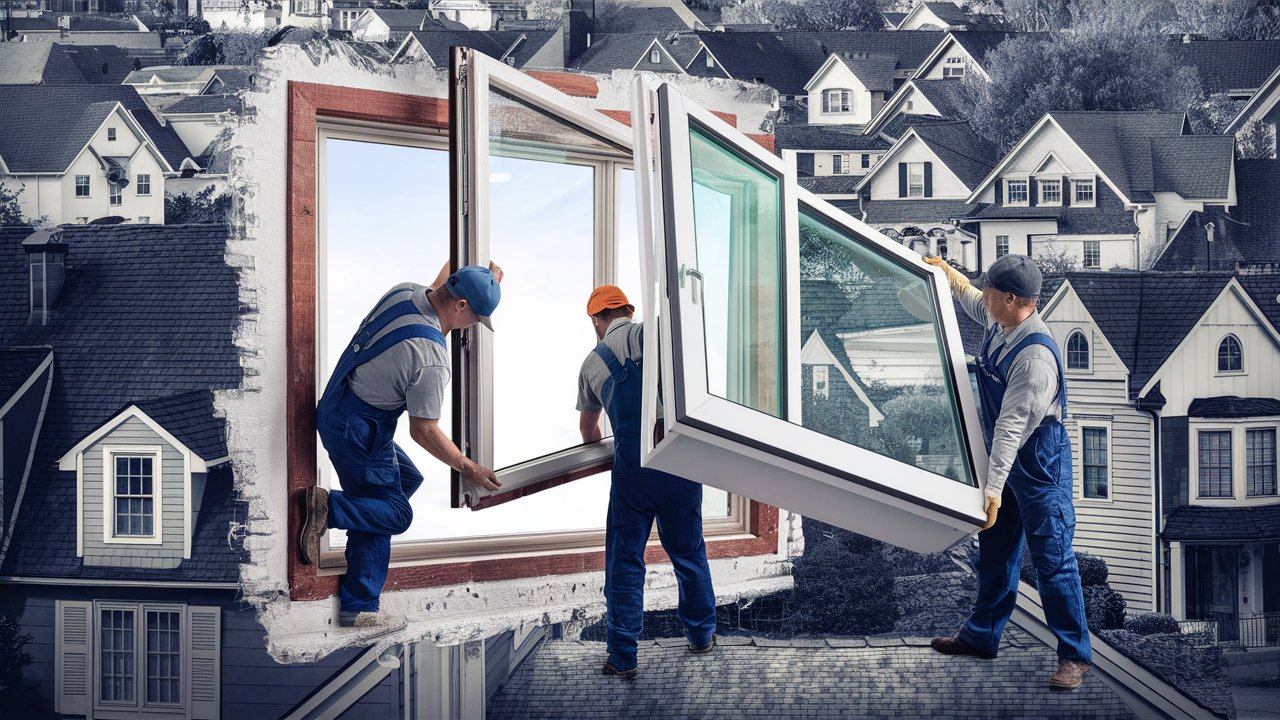
Window replacement is one of the most effective ways to enhance a home’s comfort, energy efficiency, and aesthetic appeal. Whether dealing with drafty windows, outdated designs, or rising energy bills, replacing old windows can significantly improve both the look and performance of a property. This comprehensive guide explores everything about window replacement—from understanding the benefits and costs to choosing the right materials and hiring professional installers. By the end, homeowners will have a clear roadmap to make informed decisions that add long-term value to their homes.
1. Understanding Window Replacement
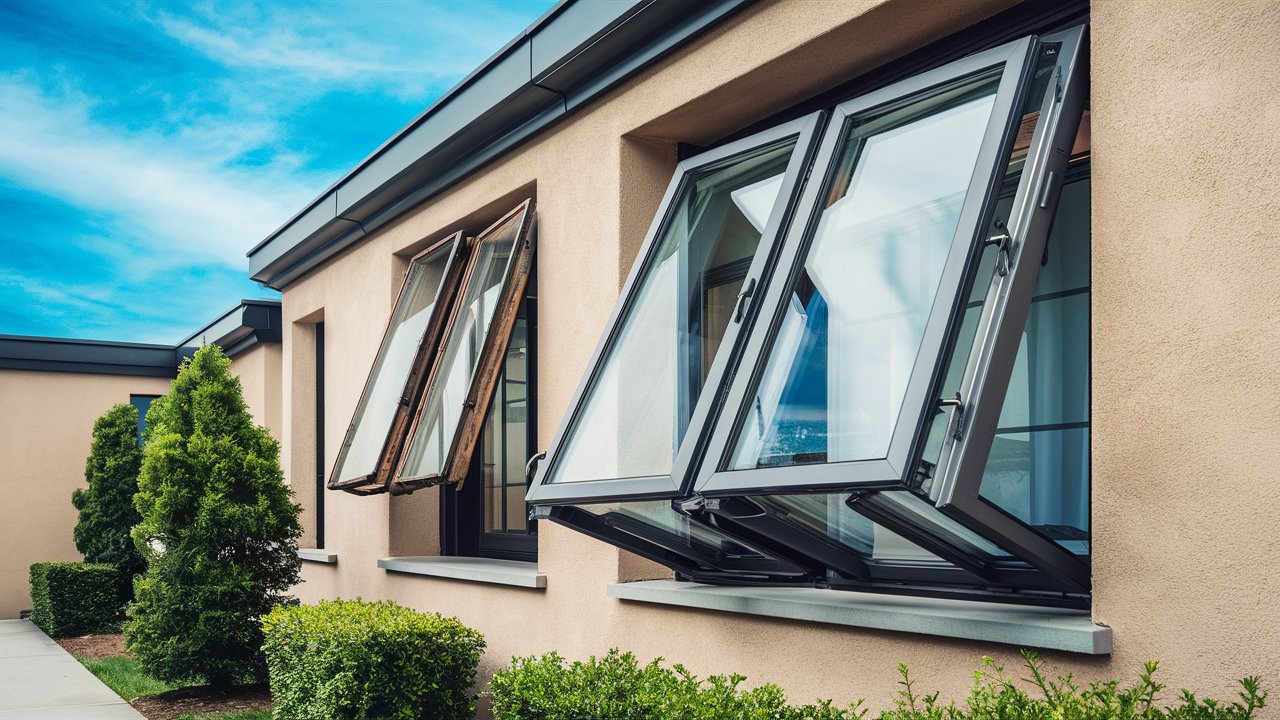
Window replacement involves removing old or damaged windows and installing new ones that meet modern standards for insulation, durability, and design. Unlike simple repairs, full replacement ensures that both the frame and glass are upgraded, providing better energy efficiency and noise reduction. Homeowners often choose window replacement when their existing windows show signs of rot, condensation between panes, or difficulty opening and closing. Modern replacement windows come in various styles, including double-hung, casement, sliding, and bay windows, each offering unique benefits depending on the home’s architecture and climate.
2. Benefits of Window Replacement
Replacing old windows offers numerous advantages beyond just improving appearance. One of the most significant benefits is enhanced energy efficiency. New windows with double or triple glazing and low-emissivity coatings help maintain indoor temperatures, reducing the need for heating and cooling. This leads to lower energy bills and a smaller carbon footprint. Additionally, modern windows provide better sound insulation, keeping outside noise to a minimum. They also increase home security with advanced locking mechanisms and durable materials. From a design perspective, new windows can transform the look of a home, adding curb appeal and increasing property value.
3. Types of Replacement Windows
There are several types of replacement windows, each designed to meet specific needs and preferences. Vinyl windows are popular for their affordability, low maintenance, and energy efficiency. Wood windows offer a classic, timeless look but require more upkeep to prevent rot and warping. Aluminum windows are durable and lightweight, making them ideal for modern homes, though they may not insulate as well as other materials. Fiberglass windows combine strength and energy efficiency, resisting temperature fluctuations and moisture damage. Composite windows, made from a blend of materials, provide the best of both worlds—durability, insulation, and aesthetic flexibility. Choosing the right type depends on budget, climate, and design goals.
4. The Window Replacement Process
The window replacement process typically begins with an inspection and measurement of existing windows. Accurate measurements ensure a perfect fit and prevent air leaks. Once the new windows are selected, professional installers remove the old units carefully to avoid damaging the surrounding structure. The new windows are then fitted, sealed, and insulated to ensure maximum energy efficiency. After installation, the area is cleaned, and the windows are tested for proper operation. Professional installation is crucial because even the best windows can underperform if not installed correctly. A well-executed replacement can last for decades with minimal maintenance.
5. Cost of Window Replacement
The cost of window replacement varies depending on several factors, including window type, material, size, and installation complexity. On average, homeowners can expect to pay between $300 and $1,200 per window, including labor. Vinyl windows tend to be the most affordable, while wood and fiberglass options are more expensive but offer superior aesthetics and longevity. Energy-efficient windows with advanced glazing or custom designs may increase the price but provide long-term savings on utility bills. It’s essential to get multiple quotes from reputable contractors to ensure fair pricing and quality workmanship.
6. Energy Efficiency and Environmental Impact
Energy-efficient windows play a vital role in reducing a home’s environmental footprint. By minimizing heat transfer, they help maintain consistent indoor temperatures, reducing the need for heating and cooling systems. This not only lowers energy consumption but also decreases greenhouse gas emissions. Many modern windows are ENERGY STAR® certified, meaning they meet strict efficiency standards set by the U.S. Environmental Protection Agency. Additionally, some manufacturers use sustainable materials and recycling processes, making window replacement an eco-friendly home improvement choice.
7. Choosing the Right Window Replacement Contractor
Selecting a qualified contractor is one of the most important steps in the window replacement process. Look for licensed and insured professionals with strong customer reviews and proven experience. A reputable contractor will provide detailed estimates, explain material options, and offer warranties on both products and labor. Avoid choosing solely based on price; instead, focus on quality, reliability, and customer service. Asking for references and viewing previous projects can help ensure the contractor’s credibility. A skilled installer ensures that windows are properly sealed, aligned, and insulated for optimal performance.
8. Maintenance Tips for New Windows
Proper maintenance extends the lifespan of replacement windows and keeps them looking new. Regularly cleaning the glass and frames prevents dirt buildup and maintains clarity. Inspect seals and weatherstripping annually to ensure they remain intact and effective. Lubricate moving parts like hinges and locks to prevent stiffness or corrosion. For wood windows, periodic painting or staining protects against moisture damage. Vinyl and fiberglass windows require minimal upkeep but should still be checked for cracks or warping. With consistent care, replacement windows can maintain their efficiency and beauty for decades.
Conclusion
Window replacement is a smart investment that enhances comfort, efficiency, and property value. By understanding the different types of windows, materials, and installation processes, homeowners can make informed decisions that suit their budget and lifestyle. Whether upgrading for energy savings, aesthetics, or functionality, new windows offer long-term benefits that far outweigh the initial cost. Partnering with a trusted contractor ensures professional installation and lasting performance, making window replacement one of the most rewarding home improvement projects available.
Frequently Asked Questions (FAQ)
1. How often should windows be replaced?
Most windows last between 15 and 25 years, depending on material quality and maintenance. Signs like drafts, condensation, or difficulty opening indicate it’s time for replacement.
2. What is the best time of year for window replacement?
Spring and fall are ideal because of mild weather, but professional installers can replace windows year-round with proper precautions.
3. Are energy-efficient windows worth the investment?
Yes. Energy-efficient windows reduce heating and cooling costs, improve comfort, and increase home value, making them a worthwhile long-term investment.
4. Can I replace windows myself?
DIY window replacement is possible but not recommended unless experienced. Improper installation can lead to air leaks, water damage, and reduced efficiency.
5. How long does window replacement take?
Most professional installations take one to two days, depending on the number of windows and complexity of the project.
6. Do new windows increase home value?
Yes. Window replacement can yield a high return on investment by improving curb appeal, energy efficiency, and overall home comfort.
7. What are the most durable window materials?
Fiberglass and composite windows are among the most durable, offering excellent resistance to weather, temperature changes, and wear over time.