
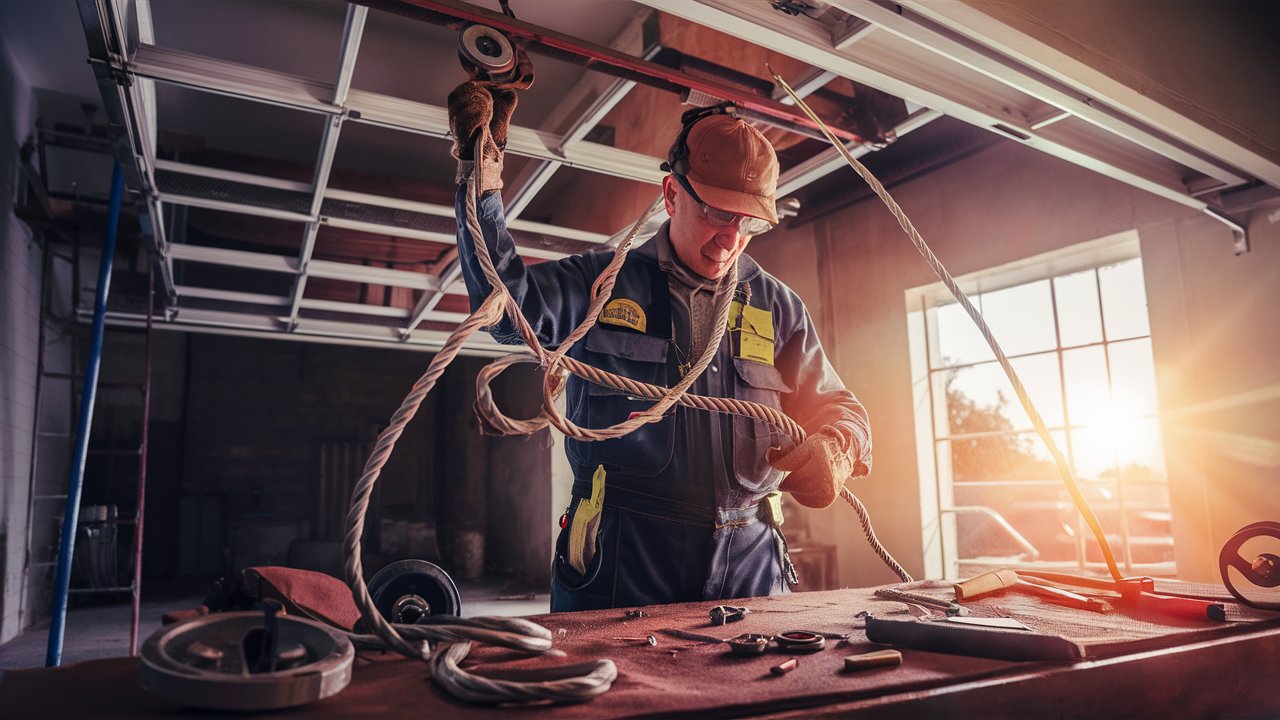
Garage door cables play a crucial role in the smooth and safe operation of any garage door system. These cables work alongside the springs to lift and lower the door evenly, ensuring balance and preventing sudden drops. Over time, garage door cables can wear out, fray, or snap due to constant tension, rust, or lack of maintenance. When this happens, the door may become unbalanced, noisy, or even dangerous to operate. Understanding how garage door cable replacement works, the signs of cable damage, and whether to attempt a DIY repair or hire a professional can save time, money, and potential injury.
What Are Garage Door Cables and Why Are They Important?
Garage door cables are strong steel wires designed to handle the immense tension created by the door’s springs. They connect the bottom of the door to the spring system, allowing the door to open and close smoothly. Without properly functioning cables, the door can become misaligned or jammed, putting strain on other components like rollers, tracks, and the opener. Regular inspection and timely replacement of worn cables are essential for maintaining the safety and longevity of the entire garage door system.
Common Signs That Garage Door Cables Need Replacement
Recognizing early signs of cable wear can prevent costly repairs and accidents. Some of the most common indicators include:
- Frayed or Rusted Cables: Visible rust or fraying means the cable is weakening and could snap at any time.
- Uneven Door Movement: If one side of the door rises faster than the other, a cable may have stretched or broken.
- Loud Noises During Operation: Grinding or squeaking sounds often signal tension issues or cable misalignment.
- Door Stuck or Hanging Crooked: A broken cable can cause the door to hang unevenly or get stuck halfway.
- Loose Cables on the Floor: If a cable has come off the drum or pulley, it will appear slack or coiled near the bottom of the door.
Ignoring these signs can lead to complete cable failure, which may cause the door to slam shut unexpectedly and damage property or cause injury.
Step-by-Step Guide to Garage Door Cable Replacement
Replacing garage door cables requires precision and caution. The process involves working with high-tension components, so safety should always come first.
- Disconnect Power and Secure the Door: Unplug the garage door opener and clamp the door in place to prevent movement.
- Release Spring Tension: Carefully unwind the torsion springs using winding bars to release tension from the cables.
- Remove Old Cables: Detach the damaged cables from the bottom brackets and drums.
- Install New Cables: Attach the new cables to the bottom brackets, thread them through the pulleys or drums, and ensure they are properly aligned.
- Reapply Tension and Test: Rewind the springs, remove clamps, and test the door’s balance and movement.
While this process may seem straightforward, improper handling of springs or cables can cause serious injury. For most homeowners, hiring a professional garage door technician is the safest and most efficient option.
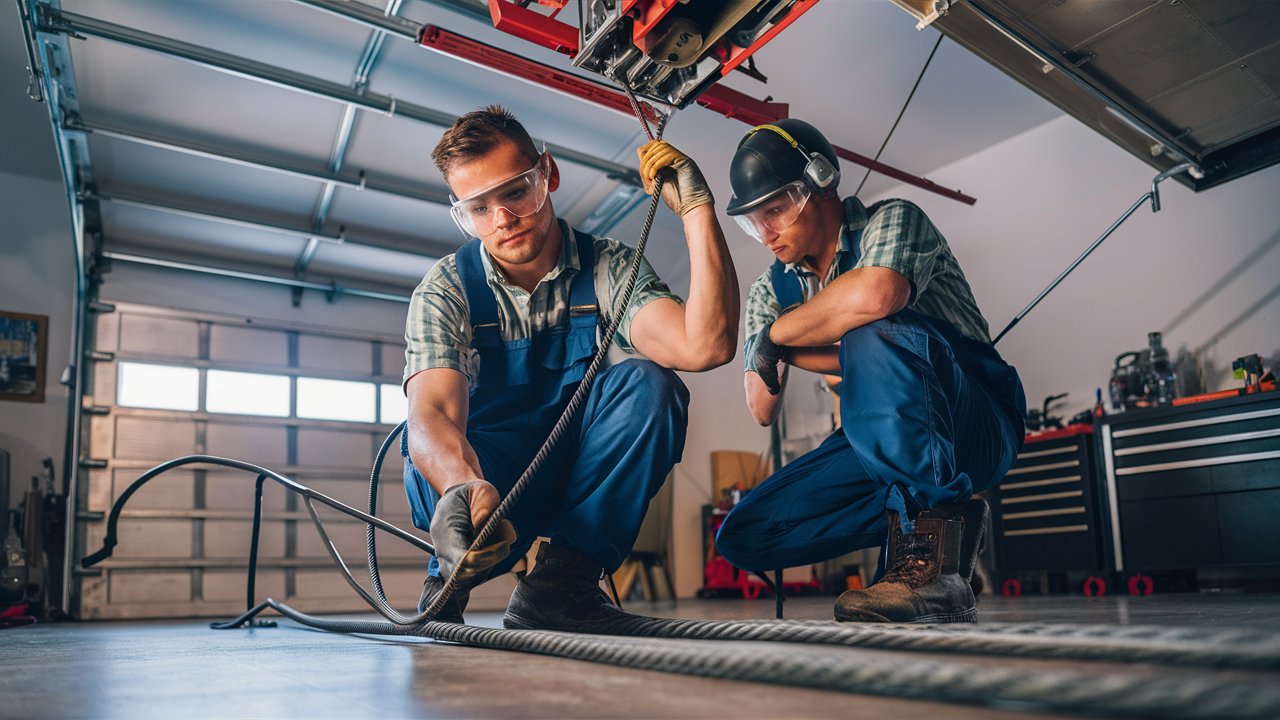
DIY vs Professional Garage Door Cable Replacement
DIY garage door cable replacement can save money, but it comes with significant risks. Garage doors are heavy, and the tension in the springs can cause severe injuries if released incorrectly. Professionals have the right tools, training, and experience to replace cables safely and ensure the door is properly balanced afterward.
A professional repair also includes a full inspection of related components such as springs, rollers, and tracks. This ensures that the entire system functions smoothly and prevents future breakdowns. While DIY repairs may cost less upfront, professional service provides long-term reliability and peace of mind.
Garage Door Cable Replacement Cost
The cost of garage door cable replacement varies depending on the type of door, cable quality, and labor rates. On average, homeowners can expect to pay between $150 and $300 for professional replacement, including parts and labor. DIY replacement kits typically cost between $20 and $50, but additional tools and safety equipment may be required. Investing in high-quality cables and professional installation can extend the lifespan of the door and reduce future maintenance costs.
Preventive Maintenance Tips for Garage Door Cables
Regular maintenance can significantly extend the life of garage door cables and prevent unexpected failures.
- Inspect Cables Monthly: Look for fraying, rust, or loose connections.
- Lubricate Moving Parts: Apply a silicone-based lubricant to pulleys, rollers, and springs to reduce friction.
- Check Door Balance: Disconnect the opener and manually lift the door halfway; it should stay in place if balanced correctly.
- Avoid Overloading the Door: Do not hang heavy objects on the door or tracks.
- Schedule Annual Professional Inspections: A technician can identify early signs of wear and perform adjustments as needed.
Conclusion
Garage door cable replacement is a vital part of maintaining a safe and functional garage door system. Whether choosing a DIY approach or hiring a professional, understanding the process, costs, and maintenance requirements helps ensure long-term reliability. Regular inspections and timely replacements not only prevent accidents but also enhance the overall performance and lifespan of the garage door.
Frequently Asked Questions
1. How often should garage door cables be replaced?
Garage door cables typically last between 7 to 10 years, depending on usage and maintenance. Regular inspections can help determine when replacement is necessary.
2. Can a garage door operate with one broken cable?
No. Operating a garage door with a broken cable is unsafe and can cause the door to become unbalanced or fall suddenly.
3. What type of cable is best for garage doors?
High-tensile galvanized steel cables are the most durable and resistant to rust, making them ideal for most residential garage doors.
4. Is it safe to replace garage door cables without professional help?
Replacing cables involves handling high-tension springs, which can be dangerous. It is recommended to hire a professional unless experienced with garage door systems.
5. How can cable lifespan be extended?
Regular lubrication, avoiding moisture buildup, and scheduling annual maintenance checks can significantly extend the lifespan of garage door cables.