
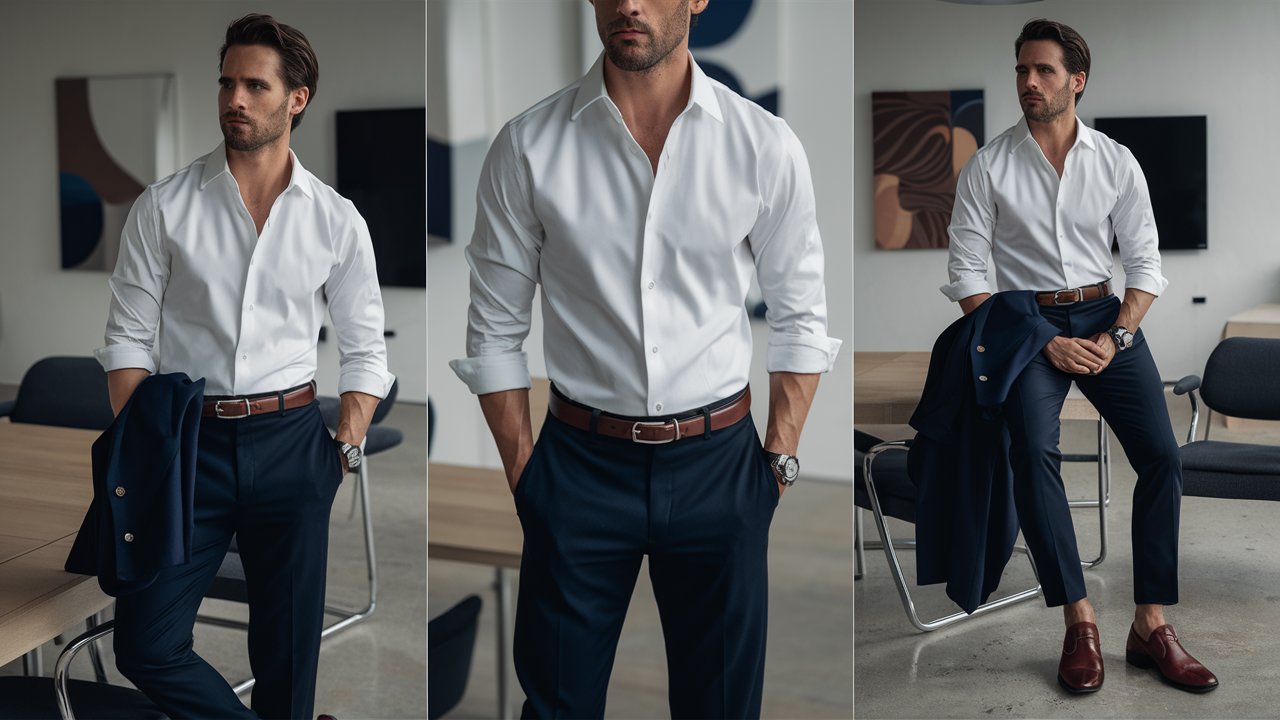
Business casual for men has become the standard dress code in modern workplaces, blending professionalism with comfort and personal style. Unlike the rigid suits of traditional corporate attire, business casual allows men to express individuality while maintaining a polished appearance. However, the term “business casual” can often be confusing, as it varies across industries, companies, and even regions. This comprehensive guide explores what business casual for men truly means, how to build a versatile wardrobe, and how to dress appropriately for different professional settings.
Understanding Business Casual for Men
Business casual for men is a dress code that strikes a balance between formal business wear and relaxed casual clothing. It typically includes collared shirts, chinos or dress pants, loafers or dress shoes, and optional layers like blazers or sweaters. The goal is to look professional without appearing overly formal. While a full suit and tie are not required, clothing should still be neat, well-fitted, and appropriate for a professional environment. The definition of business casual can vary depending on the company culture—tech startups may lean toward more relaxed styles, while law firms or financial institutions may expect a more polished appearance.
Essential Pieces of a Business Casual Wardrobe
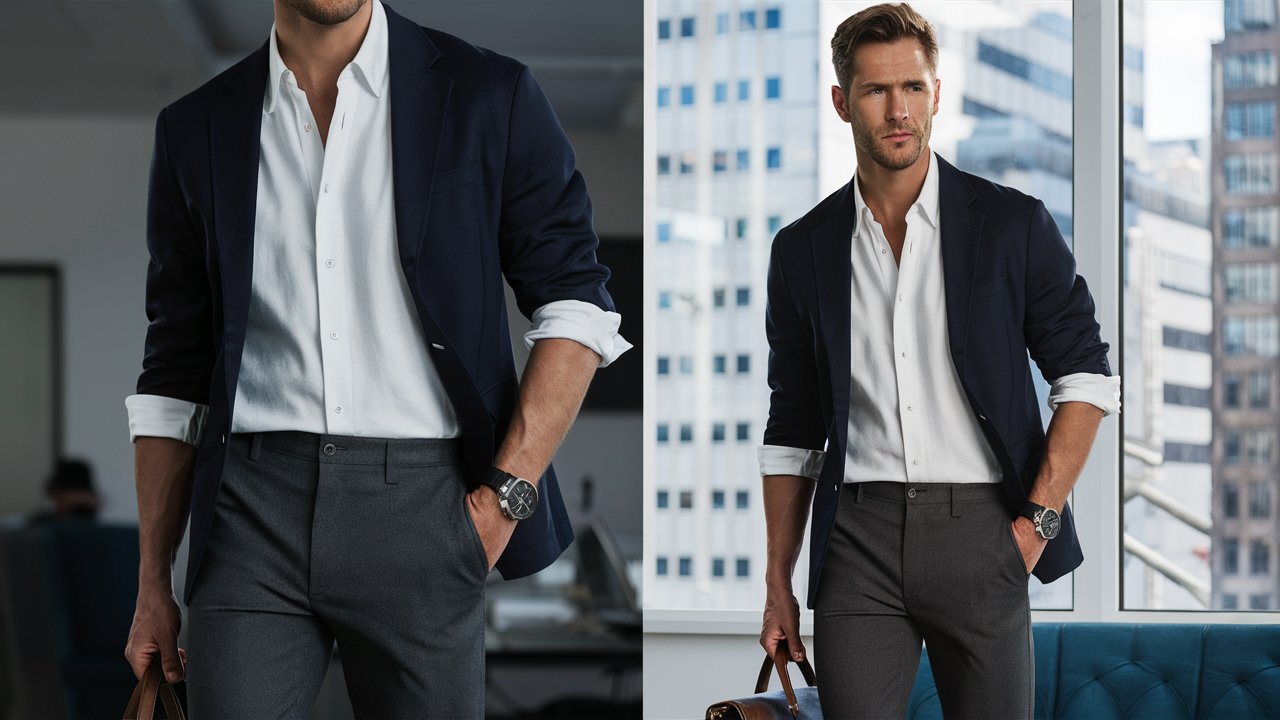
Building a business casual wardrobe starts with investing in timeless, versatile pieces that can be mixed and matched for different occasions. A crisp button-down shirt is the foundation of any business casual outfit, available in solid colors, subtle patterns, or light stripes. Pairing these with chinos or tailored trousers creates a clean and sophisticated look. Blazers or sport coats add structure and can instantly elevate an outfit, while knit sweaters or cardigans provide warmth and texture during cooler months. Footwear is equally important—leather loafers, brogues, or derby shoes are ideal choices that maintain a professional edge. Accessories such as belts, watches, and minimal jewelry complete the ensemble without overpowering it.
Business Casual Shirts and Tops
When it comes to shirts, business casual men’s fashion offers a wide range of options. Oxford shirts, dress shirts, and polo shirts are all acceptable choices depending on the workplace environment. Neutral tones like white, light blue, and gray are versatile and easy to pair with different pants and jackets. For a more modern touch, patterned shirts such as checks or microprints can add personality without compromising professionalism. During colder seasons, layering a fine-knit sweater over a collared shirt creates a refined yet comfortable look. Avoid overly casual tops like graphic tees or hoodies, as they can undermine the business aspect of the dress code.
Business Casual Pants and Bottoms
The right pair of pants can define the entire outfit. Chinos are a staple of business casual attire, offering a perfect blend of comfort and sophistication. They come in various colors, with navy, khaki, and charcoal being the most versatile. Dress trousers are another excellent option for more formal settings, while dark, well-fitted jeans can be acceptable in creative or tech industries. The key is to ensure that pants are clean, wrinkle-free, and properly tailored. Avoid overly baggy or distressed styles, as they can appear unprofessional. A well-fitted pair of pants not only enhances appearance but also boosts confidence in professional interactions.
Business Casual Shoes and Accessories
Footwear plays a crucial role in completing a business casual outfit. Leather loafers, oxfords, and monk straps are classic choices that pair well with both chinos and dress pants. For a slightly more relaxed look, suede shoes or clean leather sneakers can work in less formal environments. Matching the belt color with the shoes creates a cohesive and polished appearance. Accessories should be minimal yet refined—a quality wristwatch, a leather belt, and subtle cufflinks can elevate the overall look. Avoid flashy or oversized accessories, as simplicity often conveys the most sophistication in business casual fashion.
Seasonal Business Casual Style
Adapting business casual attire to different seasons ensures comfort and style year-round. In summer, lightweight fabrics like cotton and linen keep outfits breathable and cool. Short-sleeve button-downs and loafers without socks can be appropriate in warmer climates. During fall and winter, layering becomes essential—wool blazers, turtlenecks, and tailored coats add warmth while maintaining professionalism. Neutral and earthy tones such as navy, olive, and burgundy work well in colder months, while lighter shades like beige and sky blue are ideal for spring and summer. Understanding how to transition outfits between seasons demonstrates both style awareness and practicality.
Common Mistakes to Avoid in Business Casual Dressing
Many men misunderstand business casual by leaning too far toward either extreme—too formal or too casual. Wearing a full suit and tie can appear overdressed, while jeans and sneakers may seem too relaxed for certain offices. Another common mistake is neglecting fit; even the most expensive clothing can look unprofessional if it doesn’t fit properly. Wrinkled shirts, scuffed shoes, and mismatched accessories can also detract from an otherwise polished look. Maintaining grooming standards, such as neat hair and trimmed facial hair, is equally important in presenting a professional image.
The Evolution of Business Casual for Men
The concept of business casual has evolved significantly over the past few decades. In the 1980s and 1990s, it emerged as a response to the rigid corporate dress codes of previous generations. As workplaces became more diverse and technology-driven, the need for comfort and flexibility grew. Today, business casual represents a modern approach to professionalism—one that values individuality, creativity, and practicality. The rise of remote work and hybrid offices has further influenced this evolution, with men seeking clothing that transitions seamlessly between home and office environments.
Conclusion
Business casual for men is more than just a dress code—it’s a reflection of modern professionalism and personal expression. By understanding the key elements of business casual attire, men can create wardrobes that are both stylish and appropriate for any workplace. The goal is to strike a balance between comfort and sophistication, ensuring that every outfit communicates confidence and competence. As fashion continues to evolve, business casual remains a timeless standard that adapts to changing trends while maintaining its core principles of elegance and respectability.
Frequently Asked Questions (FAQ)
1. What does business casual for men mean?
Business casual for men refers to a dress code that combines professional and relaxed elements, typically including collared shirts, chinos or dress pants, and leather shoes without requiring a full suit and tie.
2. Can jeans be considered business casual?
Dark, well-fitted jeans can be acceptable in some workplaces, especially in creative or tech industries, but they should always be free of rips, fading, or distressing.
3. Are polo shirts appropriate for business casual?
Yes, polo shirts are acceptable in many business casual settings, particularly during warmer months, as long as they are clean, well-fitted, and free of logos.
4. What shoes should men wear for business casual?
Leather loafers, oxfords, brogues, and monk straps are ideal choices. In more relaxed environments, clean leather or suede sneakers can also work.
5. Should men wear ties with business casual outfits?
Ties are optional in business casual attire. They can be added for a more polished look but are not required unless specified by company policy.
6. How can men transition business casual outfits between seasons?
Lightweight fabrics like cotton and linen are best for summer, while wool and layered pieces such as blazers and sweaters work well in colder months.
7. What colors are best for business casual clothing?
Neutral tones such as navy, gray, white, and beige are versatile and professional. Adding subtle color accents can enhance personality without appearing flashy.
8. What are the biggest mistakes to avoid in business casual dressing?
Avoid ill-fitting clothes, overly casual items like hoodies or flip-flops, and neglecting grooming. Consistency and attention to detail are key to mastering business casual style.