
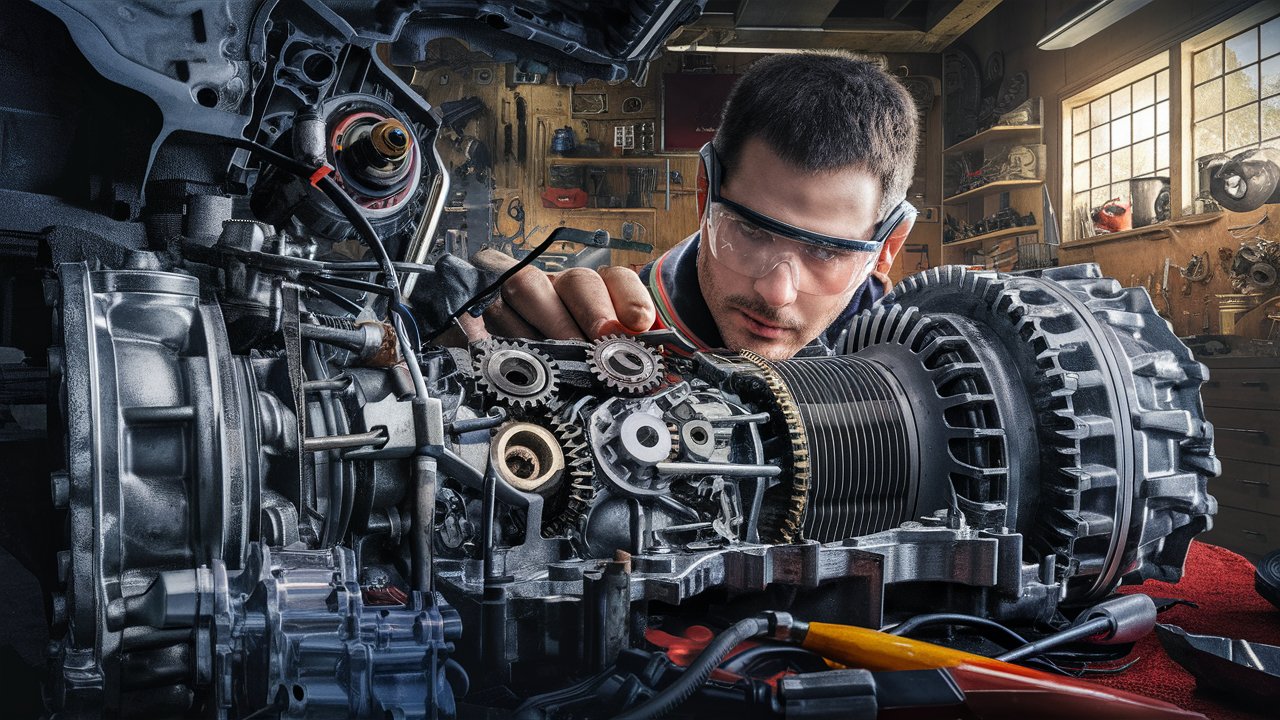
Transmission repair is one of the most critical aspects of vehicle maintenance, ensuring that a car runs smoothly and efficiently. The transmission is responsible for transferring power from the engine to the wheels, allowing the vehicle to move at different speeds. When the transmission begins to fail, it can lead to serious performance issues, costly repairs, and even complete vehicle breakdowns. Understanding the basics of transmission repair, recognizing early warning signs, and knowing how to maintain this essential component can save time, money, and frustration. This comprehensive guide explores everything about transmission repair, from common problems and repair costs to maintenance tips and professional service recommendations.
What Is Transmission Repair?
Transmission repair refers to the process of diagnosing, fixing, or replacing components within a vehicle’s transmission system. The transmission is a complex mechanical system that controls the application of power from the engine to the drive wheels. There are two main types of transmissions: automatic and manual. Automatic transmissions shift gears automatically based on speed and load, while manual transmissions require the driver to shift gears manually using a clutch and gear stick. Transmission repair can range from minor fixes, such as replacing seals or sensors, to major overhauls involving the replacement of gears, clutches, or the entire transmission unit. Regular maintenance and timely repairs are essential to prevent complete transmission failure.
Common Signs That Indicate Transmission Repair Is Needed
Recognizing the early signs of transmission trouble can prevent more severe damage and expensive repairs. One of the most common symptoms is difficulty shifting gears. Drivers may notice hesitation, slipping, or grinding noises when changing gears. Another warning sign is leaking transmission fluid, which is typically red or brown and found under the vehicle. A burning smell can also indicate overheating or fluid contamination. Additionally, if the vehicle experiences delayed acceleration, unusual vibrations, or dashboard warning lights, it may be time for a professional transmission inspection. Ignoring these signs can lead to complete transmission failure, requiring a costly replacement.
Transmission Repair vs. Transmission Replacement
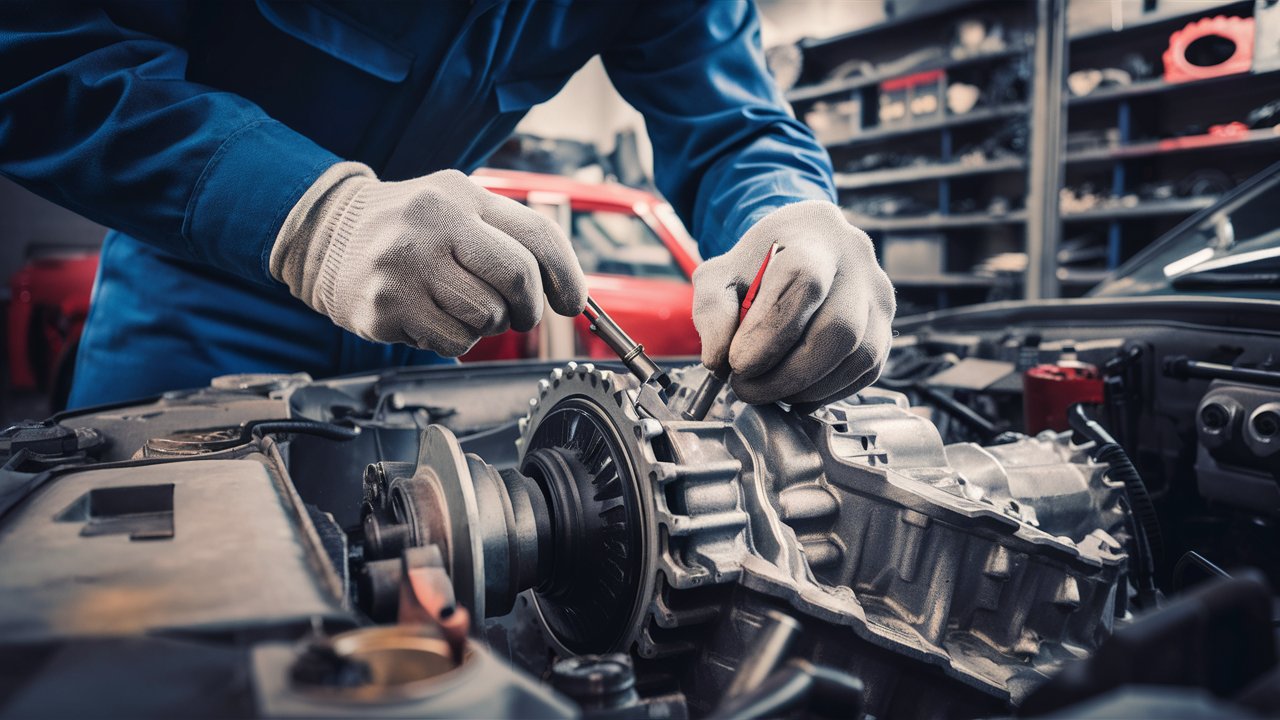
When a transmission problem arises, one of the biggest decisions is whether to repair or replace the unit. Transmission repair involves fixing specific components, such as seals, gaskets, or solenoids, that may be causing performance issues. This option is generally more affordable and suitable for minor problems. Transmission replacement, on the other hand, involves removing the old transmission and installing a new or rebuilt one. This is often necessary when the damage is extensive or when the transmission has reached the end of its lifespan. While replacement is more expensive, it can restore the vehicle’s performance and reliability for many years. Consulting a certified mechanic can help determine the best option based on the vehicle’s condition and budget.
Cost of Transmission Repair
The cost of transmission repair varies widely depending on the type of vehicle, the extent of the damage, and whether the transmission is automatic or manual. Minor repairs, such as replacing seals or sensors, may cost between $150 and $500. More extensive repairs, such as rebuilding the transmission, can range from $1,500 to $3,500. A full transmission replacement can cost anywhere from $4,000 to $7,000 or more, depending on the make and model of the vehicle. Labor costs also play a significant role, as transmission work is complex and time-consuming. Regular maintenance, such as fluid changes and inspections, can help prevent major repairs and reduce long-term costs.
Importance of Regular Transmission Maintenance
Preventive maintenance is the key to extending the life of a transmission and avoiding costly repairs. Regularly checking and changing transmission fluid is one of the most important maintenance tasks. Transmission fluid lubricates moving parts, cools the system, and ensures smooth gear shifts. Over time, the fluid can become contaminated or lose its effectiveness, leading to increased friction and wear. It’s also important to inspect the transmission for leaks, monitor fluid levels, and ensure that the cooling system is functioning properly. Following the manufacturer’s recommended maintenance schedule can significantly improve transmission performance and longevity.
DIY Transmission Repair vs. Professional Service
While some car owners may attempt DIY transmission repairs, this approach is not recommended for most people due to the complexity of the system. Transmission repair requires specialized tools, technical knowledge, and diagnostic equipment. A small mistake can lead to further damage and higher repair costs. Professional transmission repair services have the expertise to accurately diagnose issues, perform repairs efficiently, and ensure that the transmission operates correctly. Certified mechanics can also provide warranties on their work, offering peace of mind and long-term reliability. For major repairs or replacements, professional service is always the safest and most cost-effective choice.
How to Choose the Right Transmission Repair Shop
Selecting a reputable transmission repair shop is crucial for quality service and fair pricing. Look for a shop that employs certified technicians with experience in both automatic and manual transmissions. Reading customer reviews and checking ratings from organizations like the Better Business Bureau can help identify trustworthy businesses. It’s also important to ask about warranties, diagnostic fees, and estimated repair times before authorizing any work. A reliable repair shop will provide transparent pricing, detailed explanations, and professional recommendations tailored to the vehicle’s needs. Building a relationship with a trusted mechanic can ensure consistent care and long-term vehicle performance.
Preventing Transmission Problems
Preventing transmission problems starts with good driving habits and regular maintenance. Avoid aggressive driving, such as rapid acceleration or abrupt braking, which can strain the transmission. Always come to a complete stop before shifting from reverse to drive, and avoid towing loads that exceed the vehicle’s capacity. Keeping the transmission fluid clean and at the proper level is essential for preventing overheating and wear. Regular inspections can help detect small issues before they become major problems. By taking proactive steps, drivers can extend the life of their transmission and maintain optimal vehicle performance.
Conclusion
Transmission repair is an essential part of vehicle maintenance that ensures smooth performance, safety, and longevity. Understanding how the transmission works, recognizing early warning signs, and investing in regular maintenance can prevent costly breakdowns and extend the life of the vehicle. Whether dealing with minor repairs or a full replacement, choosing a qualified professional is the best way to ensure reliable results. With proper care and attention, a well-maintained transmission can provide years of dependable service and keep the vehicle running efficiently on the road.
Frequently Asked Questions
1. How often should transmission fluid be changed?
Transmission fluid should typically be changed every 30,000 to 60,000 miles, depending on the vehicle manufacturer’s recommendations and driving conditions.
2. What are the signs of a failing transmission?
Common signs include slipping gears, delayed acceleration, leaking fluid, burning smells, and unusual noises when shifting.
3. Can driving with low transmission fluid cause damage?
Yes, driving with low or dirty transmission fluid can cause overheating, increased friction, and severe internal damage to the transmission.
4. Is it better to repair or replace a transmission?
Repairing is suitable for minor issues, while replacement is recommended for extensive damage or when the transmission is beyond repair.
5. How long does a transmission repair take?
Minor repairs may take a few hours, while a full rebuild or replacement can take several days, depending on parts availability and labor requirements.
6. Can transmission problems be prevented?
Yes, regular maintenance, proper fluid levels, and careful driving habits can significantly reduce the risk of transmission problems.
7. What causes transmission failure?
Transmission failure is often caused by neglecting maintenance, overheating, fluid leaks, or internal component wear over time.