
Sewer line repair is one of the most critical aspects of maintaining a healthy and functional plumbing system. A damaged or clogged sewer line can lead to unpleasant odors, slow drains, water backups, and even property damage if left untreated. Understanding how sewer lines work, the common causes of damage, and the best repair methods can save homeowners from costly emergencies. This comprehensive guide explores everything about sewer line repair—from identifying early warning signs to choosing the right repair method and preventing future issues.
Understanding Sewer Line Systems
A sewer line is the main pipe that carries wastewater from a home’s plumbing system to the municipal sewer or septic tank. It connects all drains, toilets, and sinks, ensuring that waste is safely transported away from the property. Over time, sewer lines can deteriorate due to age, corrosion, tree root intrusion, or shifting soil. When this happens, the flow of wastewater becomes restricted, leading to backups and potential health hazards. Regular inspection and maintenance are essential to keep the system functioning efficiently.
Common Causes of Sewer Line Damage
Several factors can contribute to sewer line damage. One of the most common causes is tree root intrusion, where roots grow into the pipes in search of moisture, causing cracks and blockages. Aging pipes made of clay or cast iron are also prone to corrosion and collapse. Ground movement or soil shifting can misalign or break pipes, while grease buildup, foreign objects, and flushing non-biodegradable materials can lead to severe clogs. Additionally, poor installation or low-quality materials can shorten the lifespan of a sewer line. Understanding these causes helps homeowners take preventive measures before major damage occurs.
Signs That Indicate You Need Sewer Line Repair
Recognizing the early signs of sewer line problems can prevent costly repairs. Common indicators include slow-draining sinks and tubs, gurgling noises from drains, foul odors, and water pooling in the yard. In severe cases, sewage backups may occur in toilets or floor drains. Another warning sign is lush patches of grass in the yard, which may indicate a leaking sewer line providing extra nutrients to the soil. If any of these symptoms appear, it’s crucial to contact a professional plumber for a sewer camera inspection to determine the exact cause and location of the problem.
Sewer Line Repair Methods
There are several methods used to repair damaged sewer lines, depending on the severity and location of the issue.
Traditional Sewer Line Repair
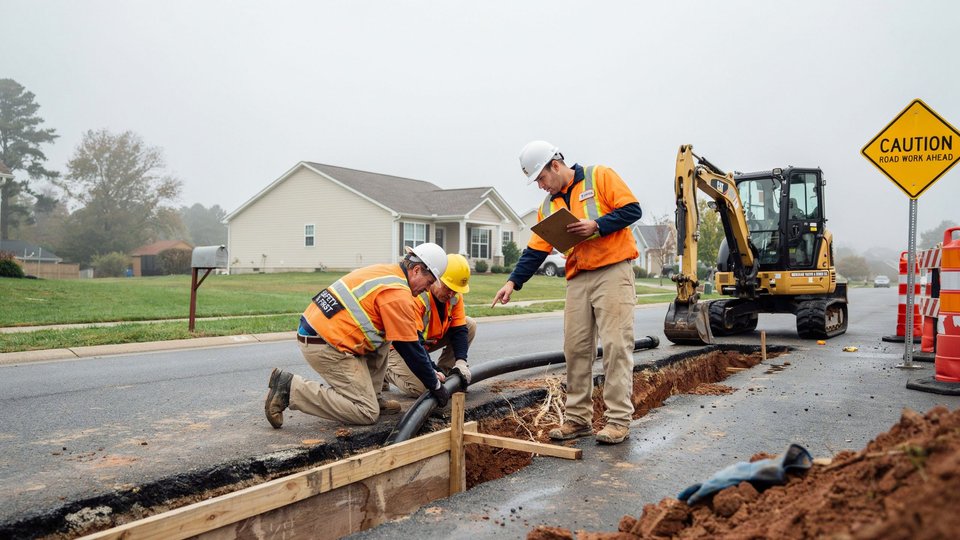
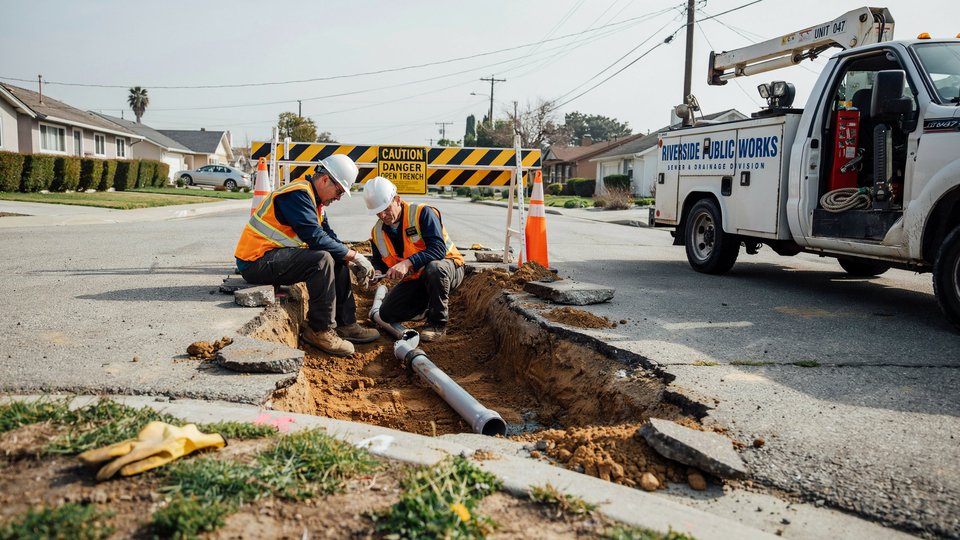
This method involves digging a trench to access the damaged section of the pipe. While effective, it can be labor-intensive and disruptive to landscaping or driveways. Traditional repair is often used when the damage is extensive or when the pipe material needs complete replacement.
Trenchless Sewer Line Repair
Trenchless technology has revolutionized sewer repair by minimizing excavation. Two popular trenchless methods are pipe bursting and pipe lining. Pipe bursting involves breaking the old pipe while simultaneously pulling a new one into place. Pipe lining, also known as cured-in-place pipe (CIPP), involves inserting a resin-coated liner into the existing pipe, which hardens to form a new, durable interior. These methods are faster, less invasive, and often more cost-effective than traditional repairs.
Spot Repair
For minor issues, spot repair can be used to fix a small section of the sewer line without replacing the entire pipe. This method is ideal for localized cracks or leaks and can be completed quickly with minimal disruption.
Cost of Sewer Line Repair
The cost of sewer line repair varies depending on the extent of the damage, the repair method used, and the location of the pipe. Traditional excavation repairs can range from $3,000 to $7,000, while trenchless repairs typically cost between $4,000 and $10,000. Factors such as pipe length, depth, and accessibility also influence the final price. Although trenchless methods may have a higher upfront cost, they often save money in the long run by reducing labor and restoration expenses.
Preventing Future Sewer Line Problems
Preventive maintenance is key to avoiding costly sewer line repairs. Regular inspections using sewer cameras can detect early signs of damage before they escalate. Avoid flushing items like wipes, feminine hygiene products, or grease down the drain. Installing root barriers and maintaining trees away from sewer lines can prevent root intrusion. Additionally, scheduling professional drain cleaning once a year helps keep the system clear and functioning efficiently.
Choosing the Right Sewer Line Repair Company
Selecting a qualified and experienced plumbing company is essential for successful sewer line repair. Look for licensed professionals who offer camera inspections, transparent pricing, and warranties on their work. Reading customer reviews and checking certifications can help ensure quality service. A reputable company will provide a detailed assessment and recommend the most effective repair method based on the condition of the sewer line.
Conclusion
Sewer line repair is a vital part of home maintenance that ensures the safe and efficient removal of wastewater. Understanding the causes of sewer line damage, recognizing early warning signs, and choosing the right repair method can prevent costly emergencies and protect property value. Whether opting for traditional or trenchless repair, timely action and regular maintenance are the keys to a long-lasting plumbing system. By investing in professional inspections and preventive care, homeowners can enjoy peace of mind knowing their sewer system is in top condition.
Frequented Asked Questions
What causes sewer line damage?
Sewer line damage is often caused by tree roots, aging pipes, soil shifting, corrosion, or flushing non-biodegradable materials down the drain.
How do I know if my sewer line needs repair?
Common signs include slow drains, foul odors, gurgling sounds, sewage backups, and wet spots in the yard.
What is trenchless sewer line repair?
Trenchless repair is a modern method that fixes or replaces sewer pipes without extensive digging, using techniques like pipe bursting or pipe lining.
How much does sewer line repair cost?
Costs typically range from $3,000 to $10,000 depending on the repair method, pipe length, and severity of the damage.
Can sewer line problems be prevented?
Yes, regular inspections, proper waste disposal, and tree root management can significantly reduce the risk of sewer line damage.
Is trenchless repair better than traditional repair?
Trenchless repair is often preferred because it’s less invasive, faster, and more environmentally friendly, though traditional repair may be necessary for severe damage.