
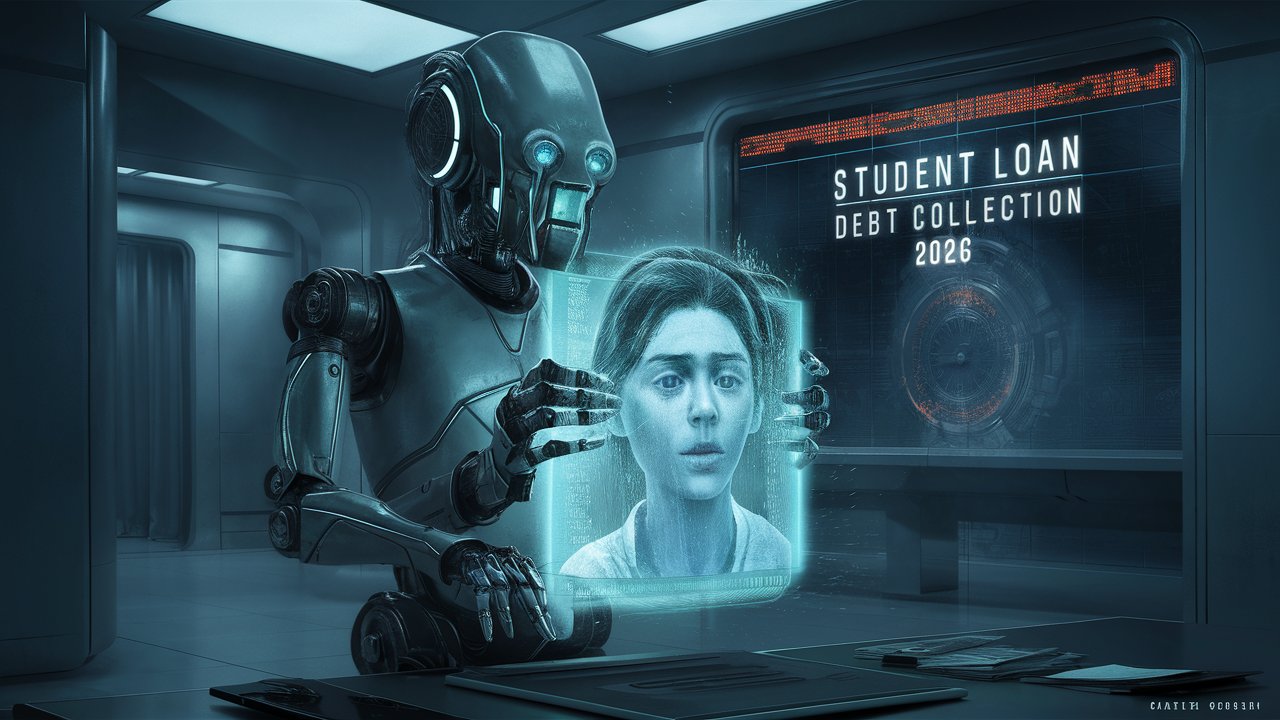
Student loan debt collection in 2026 has become one of the most discussed financial topics in the United States. With millions of borrowers facing repayment challenges, new regulations, and evolving collection practices, understanding how student loan debt collection works is essential. The year 2026 marks a turning point as government policies, private lenders, and collection agencies adapt to post-pandemic repayment trends and updated federal guidelines. This article explores the latest developments in student loan debt collection, the rights of borrowers, and strategies to manage or avoid default.
Understanding Student Loan Debt Collection in 2026
In 2026, student loan debt collection continues to evolve as both federal and private lenders implement new systems to recover overdue payments. The U.S. Department of Education has introduced updated repayment frameworks that emphasize borrower protection and financial literacy. Collection agencies are now required to follow stricter communication guidelines, ensuring transparency and fairness in their interactions with borrowers. These changes aim to reduce predatory practices and help individuals find manageable repayment solutions before their loans enter default.
The student loan landscape in 2026 also reflects the growing influence of technology. Automated repayment reminders, digital negotiation tools, and AI-driven financial counseling platforms have become standard. Borrowers can now access real-time information about their loan status, repayment options, and collection notices through secure online portals. This digital transformation has made the debt collection process more efficient but also demands that borrowers stay informed and vigilant about their financial data.
Federal vs. Private Student Loan Debt Collection
Federal student loans are managed under government oversight, which means borrowers have access to structured repayment programs such as income-driven repayment (IDR) plans, deferment, and forbearance. In 2026, the Department of Education continues to prioritize rehabilitation programs that allow borrowers to restore their loans to good standing after default. Federal collections are typically handled through wage garnishment, tax refund offsets, or Treasury offsets, but borrowers are given multiple opportunities to resolve their debt before these measures are enforced.
Private student loan debt collection, on the other hand, operates under different rules. Private lenders often rely on third-party collection agencies or legal action to recover unpaid balances. Unlike federal loans, private loans do not offer income-based repayment or forgiveness programs, making negotiation more challenging. However, in 2026, many private lenders have adopted flexible settlement options and hardship programs to accommodate borrowers facing financial difficulties. Understanding the distinction between federal and private loan collection is crucial for developing an effective repayment strategy.
Borrower Rights and Protections in 2026
Borrowers in 2026 benefit from enhanced consumer protection laws designed to prevent harassment and unfair collection practices. The Fair Debt Collection Practices Act (FDCPA) and the Higher Education Act continue to regulate how collectors communicate with borrowers. Agencies must provide written validation of the debt, disclose repayment options, and respect communication preferences. Additionally, new federal initiatives have introduced mandatory financial counseling for borrowers entering default, ensuring they understand their rights and available remedies.
Another significant development in 2026 is the increased emphasis on credit reporting accuracy. Collection agencies are now required to update credit bureaus promptly when a borrower rehabilitates or settles a loan. This change helps borrowers rebuild their credit faster and reduces the long-term impact of default. Borrowers also have the right to dispute inaccurate information and request verification of any debt claimed by a collector.
Strategies to Manage or Avoid Student Loan Debt Collection
Avoiding student loan debt collection begins with proactive financial management. Borrowers should regularly review their loan accounts, stay current on payments, and communicate with their servicers at the first sign of financial hardship. Enrolling in income-driven repayment plans can significantly reduce monthly payments and prevent default. For those already in default, loan rehabilitation or consolidation can restore eligibility for federal benefits and stop collection actions.
In 2026, financial advisors recommend creating a comprehensive repayment plan that includes budgeting, emergency savings, and exploring forgiveness programs such as Public Service Loan Forgiveness (PSLF). Borrowers should also be cautious of scams and unauthorized collection attempts, verifying all communications through official channels. By staying informed and proactive, borrowers can minimize the stress of debt collection and maintain financial stability.
The Future of Student Loan Debt Collection
Looking ahead, student loan debt collection in 2026 and beyond is expected to become more borrower-centric. Policymakers are exploring ways to simplify repayment systems, expand forgiveness programs, and integrate financial education into the loan process. The use of artificial intelligence and data analytics will continue to streamline collections while ensuring compliance with consumer protection laws. As the student debt crisis remains a national concern, these innovations aim to balance accountability with compassion, helping millions of Americans achieve financial recovery.
Conclusion
Student loan debt collection in 2026 represents a new era of accountability, transparency, and borrower empowerment. With updated regulations, digital tools, and expanded repayment options, borrowers have more resources than ever to manage their debt responsibly. Understanding the differences between federal and private loan collections, knowing one’s rights, and taking proactive steps toward repayment are key to avoiding financial hardship. As the system continues to evolve, staying informed will remain the most powerful tool for navigating student loan debt collection successfully.
Frequently Asked Questions
1. What happens if a student loan goes into collection in 2026?
If a loan enters collection, the borrower may face wage garnishment, tax refund offsets, or legal action. However, federal programs allow rehabilitation or consolidation to bring the loan back into good standing.
2. Are there new laws affecting student loan debt collection in 2026?
Yes. Updated federal regulations emphasize borrower rights, transparency, and fair communication practices, ensuring that collection agencies follow ethical standards.
3. Can private student loans be forgiven in 2026?
Private student loans generally do not qualify for federal forgiveness programs, but some lenders offer hardship settlements or modified repayment terms.
4. How can borrowers avoid student loan debt collection?
Borrowers can avoid collection by enrolling in income-driven repayment plans, maintaining communication with loan servicers, and seeking financial counseling when needed.
5. Does student loan debt collection affect credit scores?
Yes. Defaulted loans and collection accounts can significantly lower credit scores, but successful rehabilitation or settlement can help restore credit over time.