
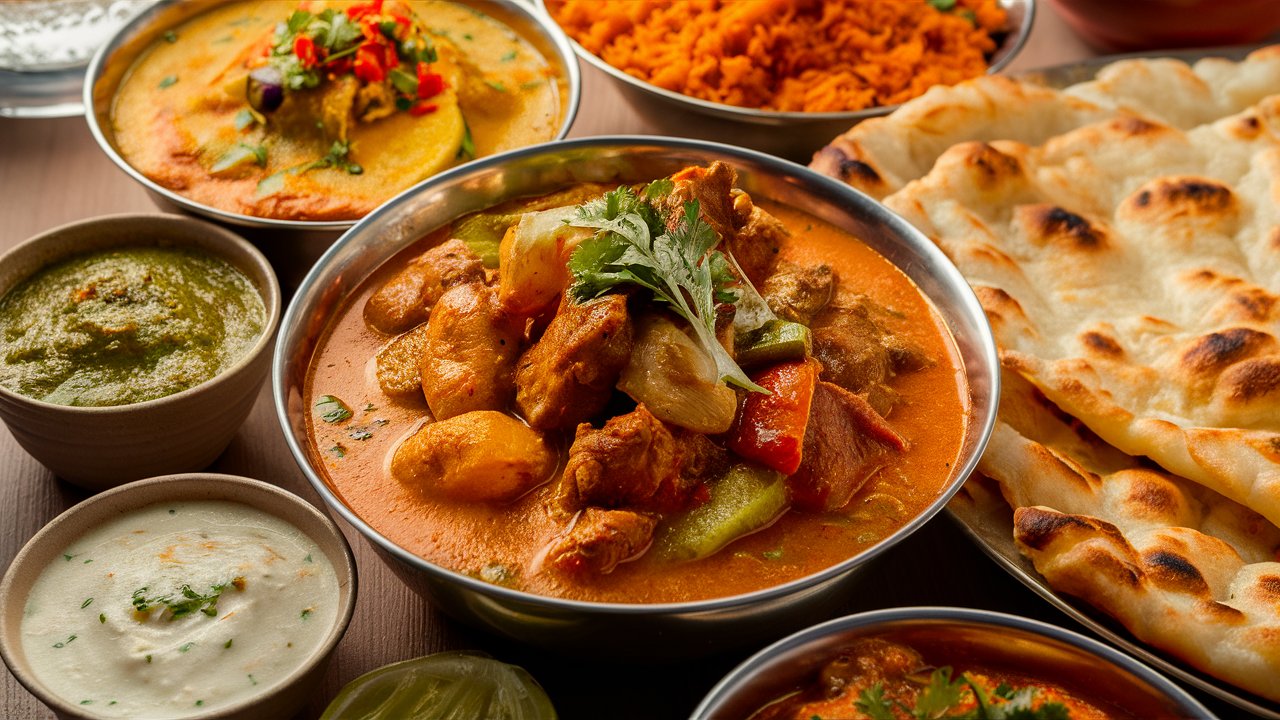
Indian food is one of the most diverse and flavorful cuisines in the world, celebrated for its vibrant spices, regional variations, and deep cultural roots. From the aromatic curries of North India to the tangy seafood dishes of the South, Indian cuisine offers a sensory experience that reflects centuries of history, trade, and tradition. The use of spices like turmeric, cumin, coriander, and cardamom not only enhances flavor but also provides numerous health benefits. This article explores the essence of Indian food, its regional diversity, popular dishes, and the cultural significance that makes it a global favorite.
The Essence of Indian Food
Indian food is characterized by its complex layering of flavors, achieved through the careful blending of spices and herbs. Each dish tells a story of geography, climate, and culture. The cuisine is not just about taste but also about balance—balancing sweet, sour, salty, bitter, and spicy elements to create harmony in every bite. Traditional Indian cooking often involves slow-cooking methods, allowing the ingredients to release their full aroma and depth. The use of ghee, yogurt, lentils, and fresh vegetables forms the foundation of many dishes, making Indian food both nutritious and satisfying.
Regional Diversity in Indian Cuisine
India’s vast geography and cultural diversity have given rise to a wide range of regional cuisines, each with its own unique identity.
North Indian Cuisine
North Indian food is known for its rich gravies, tandoori dishes, and use of dairy products like paneer and ghee. Popular dishes include butter chicken, dal makhani, and naan bread. The cuisine is heavily influenced by Mughlai cooking, which introduced aromatic spices, nuts, and dried fruits into savory dishes.
South Indian Cuisine
South Indian food is lighter and often spicier, featuring rice as the staple ingredient. Dishes like dosa, idli, sambar, and rasam are common, often served with coconut-based chutneys. The use of tamarind, curry leaves, and mustard seeds gives South Indian cuisine its distinctive tangy and aromatic flavor.
East Indian Cuisine
Eastern India, particularly Bengal, is famous for its love of fish and sweets. Mustard oil and poppy seeds are key ingredients, while desserts like rasgulla and sandesh showcase the region’s mastery of dairy-based sweets. The cuisine balances subtle spices with natural sweetness, creating a delicate flavor profile.
West Indian Cuisine
Western India offers a mix of spicy and sweet flavors. Gujarat is known for its vegetarian dishes like dhokla and thepla, while Maharashtra features spicy curries and street foods like vada pav. Goa, influenced by Portuguese cuisine, is famous for its seafood and coconut-based curries.
Popular Indian Dishes Loved Worldwide
Indian food has gained immense popularity across the globe, with several dishes becoming international favorites. Chicken tikka masala, biryani, samosas, and butter naan are staples in Indian restaurants worldwide. Vegetarian dishes like palak paneer, chole, and aloo gobi are equally beloved for their rich flavors and wholesome ingredients. Street foods such as pani puri, pav bhaji, and bhel puri offer a burst of flavor and are an integral part of India’s culinary culture.
The Role of Spices in Indian Cooking
Spices are the heart of Indian cuisine. They not only enhance taste but also have medicinal properties rooted in Ayurveda. Turmeric is known for its anti-inflammatory benefits, cumin aids digestion, and cardamom helps detoxify the body. The art of tempering spices—known as “tadka” or “chaunk”—is a crucial step in Indian cooking, where spices are briefly fried in hot oil to release their essential oils and aroma before being added to dishes.
Indian Food and Cultural Significance
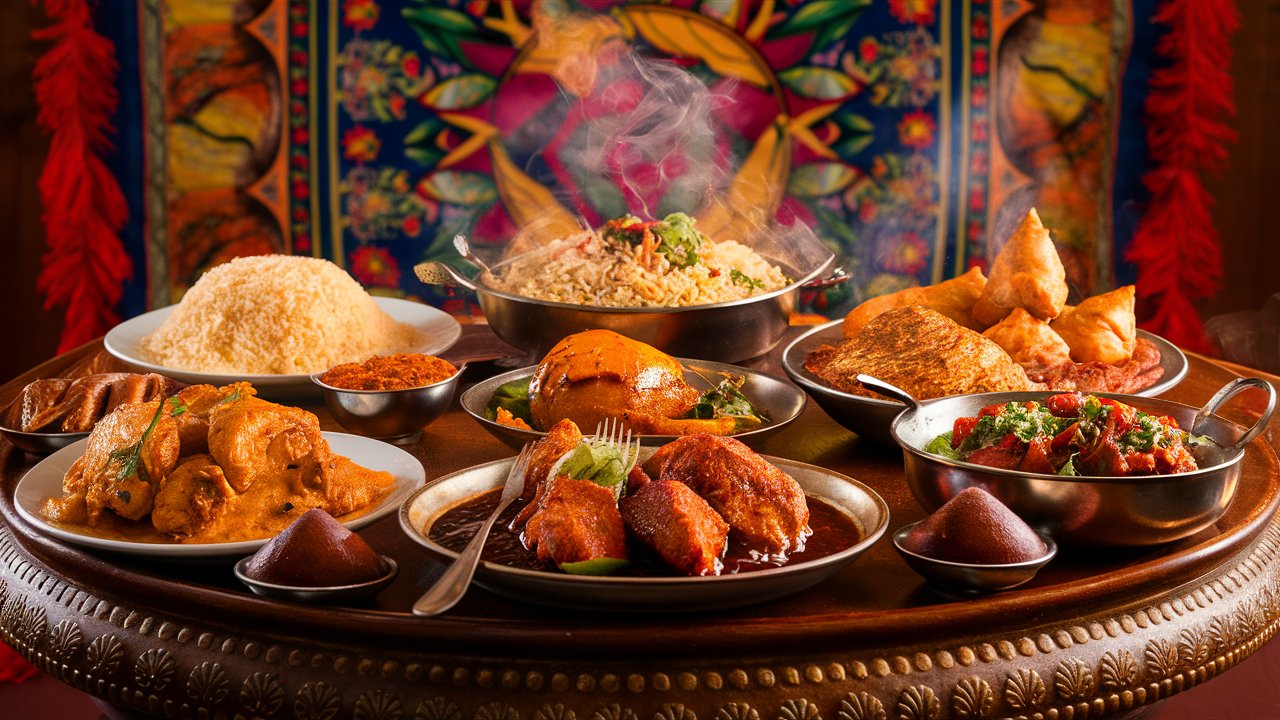
Food in India is deeply intertwined with culture, religion, and festivals. Each celebration, from Diwali to Eid, features special dishes that symbolize joy and togetherness. Meals are often shared with family and friends, emphasizing community and hospitality. Traditional Indian dining also follows the concept of “thali,” a platter that offers a balanced meal with multiple dishes representing different tastes and nutrients.
Health Benefits of Indian Food
Indian food is not only delicious but also nutritious. The use of fresh vegetables, legumes, and whole grains provides essential vitamins and minerals. Spices like ginger, garlic, and turmeric have healing properties that boost immunity and improve digestion. Many Indian dishes are naturally vegetarian or vegan, making them suitable for a variety of dietary preferences.
Conclusion
Indian food is a celebration of flavor, culture, and tradition. Its diversity reflects the country’s rich heritage and regional influences, offering something for every palate. Whether it’s the creamy curries of the North, the spicy stews of the South, or the sweet delicacies of the East, Indian cuisine continues to captivate food lovers around the world. Exploring Indian food is not just about tasting dishes—it’s about experiencing a centuries-old culinary art that connects people through shared flavors and stories.
Frequently Asked Questions (FAQ)
1. What makes Indian food unique?
Indian food stands out for its use of diverse spices, regional variations, and balance of flavors that combine sweet, sour, spicy, and savory elements.
2. Is Indian food always spicy?
Not all Indian food is spicy. The level of heat varies by region and dish, and many recipes can be adjusted to suit different spice preferences.
3. What are some popular vegetarian Indian dishes?
Popular vegetarian dishes include paneer butter masala, chole (chickpea curry), dal tadka, aloo gobi, and vegetable biryani.
4. What are the main ingredients used in Indian cooking?
Common ingredients include rice, lentils, chickpeas, yogurt, ghee, and spices such as turmeric, cumin, coriander, and cardamom.
5. Why is Indian food considered healthy?
Indian food often uses fresh, natural ingredients and spices with medicinal properties. Many dishes are plant-based, rich in fiber, and low in processed fats.
6. What is the best way to experience authentic Indian cuisine?
The best way to experience authentic Indian food is by exploring regional dishes, trying traditional thalis, and enjoying home-cooked meals that showcase local flavors and techniques.