
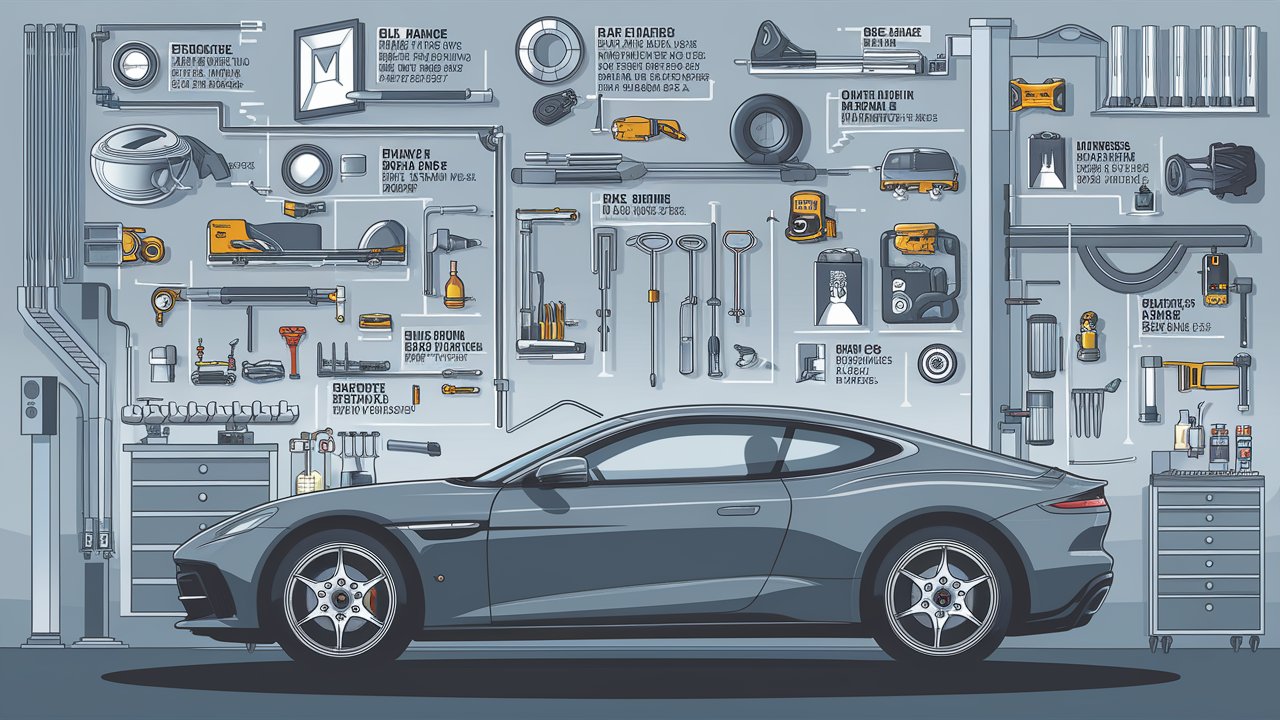
A car maintenance checklist is essential for every vehicle owner who wants to ensure safety, performance, and longevity. Regular maintenance not only prevents costly repairs but also enhances fuel efficiency and driving comfort. Whether it’s checking tire pressure, changing engine oil, or inspecting brake systems, following a structured car maintenance checklist helps keep a vehicle running smoothly throughout the year. Neglecting routine maintenance can lead to breakdowns, reduced performance, and even safety hazards. This comprehensive guide explores the most important aspects of car maintenance, explaining how each step contributes to the overall health of a vehicle and why consistent upkeep is the key to reliable driving.
1. Understanding the Importance of a Car Maintenance Checklist
A car maintenance checklist serves as a roadmap for vehicle care, ensuring that no critical component is overlooked. Cars are complex machines with thousands of moving parts that require regular attention. By following a maintenance checklist, drivers can identify potential issues early and address them before they escalate into major problems. Regular maintenance also preserves the resale value of a vehicle, as well-maintained cars tend to attract higher offers in the used car market. Moreover, a well-maintained car provides better fuel economy, smoother handling, and improved safety on the road. In essence, a car maintenance checklist is not just about keeping a vehicle clean—it’s about ensuring reliability, efficiency, and peace of mind.
2. Monthly Car Maintenance Checklist
The monthly car maintenance checklist focuses on quick inspections that help detect early signs of wear and tear. Start by checking the engine oil level and topping it up if necessary. Inspect the tire pressure and tread depth to ensure optimal traction and fuel efficiency. Examine the windshield washer fluid, coolant, and brake fluid levels, as these are vital for safe driving. It’s also important to check the lights—headlights, brake lights, and turn signals—to ensure they are functioning properly. Cleaning the car’s exterior and interior regularly prevents dirt buildup and protects the paint. Performing these simple monthly checks can prevent small issues from turning into expensive repairs later.
3. Quarterly Car Maintenance Checklist
The quarterly car maintenance checklist involves more detailed inspections that should be performed every three months or approximately every 3,000 miles. This includes changing the engine oil and oil filter, which keeps the engine lubricated and prevents damage from friction. Inspect the battery terminals for corrosion and ensure the connections are tight. Check the air filter and replace it if it appears dirty, as a clean air filter improves engine performance and fuel efficiency. Examine the belts and hoses for cracks or leaks, as these components are crucial for the proper functioning of the engine and cooling system. Rotating the tires every few months also ensures even wear and extends their lifespan.
4. Semi-Annual Car Maintenance Checklist
The semi-annual car maintenance checklist should be performed every six months or around 6,000 miles. This includes inspecting the brake system, including pads, rotors, and brake fluid levels. Worn-out brakes can compromise safety, so timely replacement is essential. Check the suspension and steering components for any signs of wear or looseness. Inspect the exhaust system for leaks or unusual noises, as these can indicate underlying issues. It’s also a good time to check the alignment and balance of the tires to ensure smooth handling. Cleaning and conditioning the car’s interior, including leather seats and dashboard surfaces, helps maintain a fresh and comfortable cabin environment.
5. Annual Car Maintenance Checklist
The annual car maintenance checklist is the most comprehensive and should be performed once a year or every 12,000 miles. This includes replacing the cabin air filter, which ensures clean air circulation inside the vehicle. The fuel filter should also be inspected and replaced if necessary to maintain optimal engine performance. Check the coolant system, including the radiator and hoses, to prevent overheating. The transmission fluid should be inspected and replaced according to the manufacturer’s recommendations. It’s also important to have a professional mechanic perform a full diagnostic check to identify any hidden issues. Annual maintenance ensures that the vehicle remains in peak condition and ready for long-distance travel.
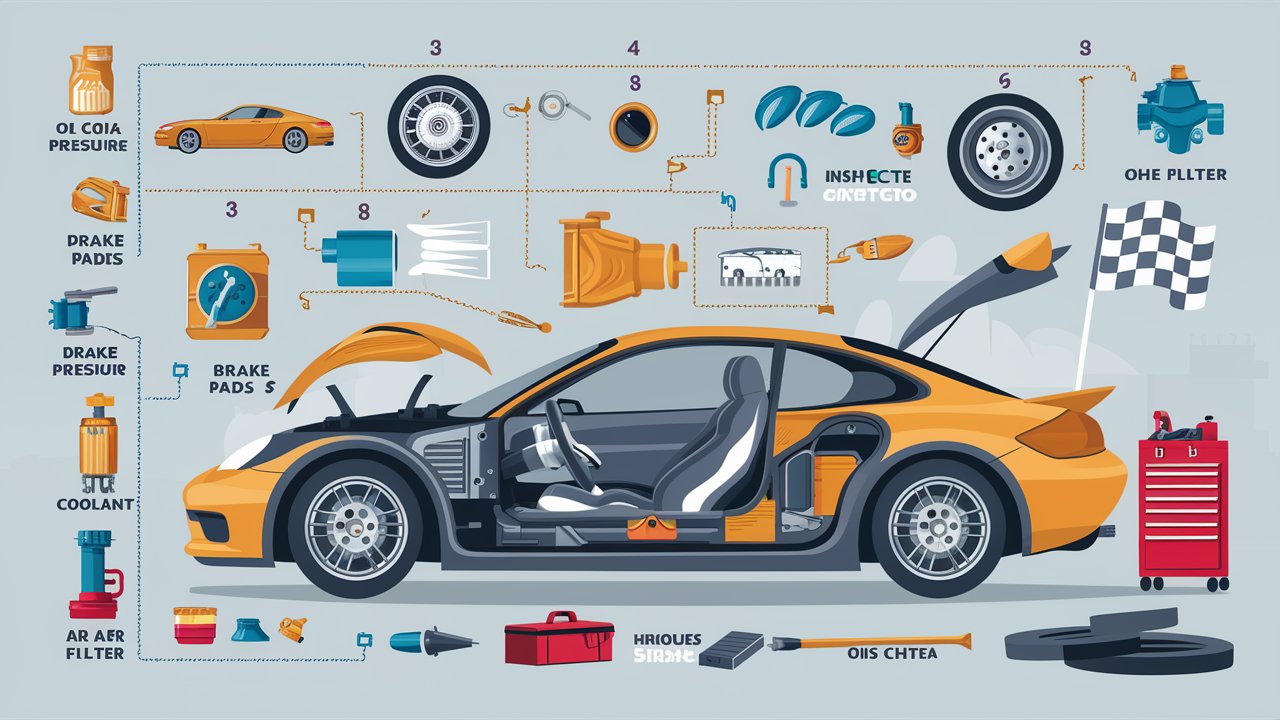
6. Seasonal Car Maintenance Checklist
The seasonal car maintenance checklist helps prepare a vehicle for changing weather conditions. Before winter, check the antifreeze levels, battery health, and tire tread depth to ensure safe driving on icy roads. Replace wiper blades and fill the washer fluid with a winter-grade solution to maintain visibility. In summer, inspect the air conditioning system and coolant levels to prevent overheating. Check the tire pressure frequently, as heat can cause fluctuations. Seasonal maintenance ensures that the vehicle performs efficiently regardless of temperature changes, reducing the risk of breakdowns during extreme weather.
7. Essential Fluids to Check Regularly
Fluids are the lifeblood of any vehicle, and a car maintenance checklist must include regular fluid inspections. Engine oil lubricates moving parts, while coolant regulates temperature. Brake fluid ensures responsive braking, and transmission fluid enables smooth gear shifts. Power steering fluid assists in easy maneuvering, and windshield washer fluid maintains visibility. Each fluid should be checked periodically and replaced according to the manufacturer’s schedule. Neglecting fluid maintenance can lead to engine damage, poor performance, and safety risks. Keeping fluids at optimal levels is one of the simplest yet most effective ways to extend a vehicle’s lifespan.
8. Tire Care and Maintenance
Tires play a crucial role in vehicle safety and performance, making them a key part of any car maintenance checklist. Regularly check tire pressure using a reliable gauge and adjust it according to the manufacturer’s recommendations. Underinflated tires can reduce fuel efficiency and increase wear, while overinflated tires can affect handling. Inspect the tread depth to ensure proper traction, especially in wet or snowy conditions. Rotate the tires every 5,000 to 7,000 miles to promote even wear. Also, check for signs of damage such as cuts, bulges, or punctures. Proper tire maintenance not only enhances safety but also improves fuel economy and ride comfort.
9. Battery and Electrical System Maintenance
The battery and electrical system are vital components that power the vehicle’s ignition, lights, and electronics. As part of the car maintenance checklist, inspect the battery terminals for corrosion and clean them if necessary. Ensure that the battery is securely mounted and that the cables are tight. Test the battery’s voltage regularly, especially before long trips or during cold weather. Check the alternator and starter for proper functioning, as these components are essential for reliable engine performance. Replacing an old or weak battery before it fails can prevent inconvenient breakdowns and ensure consistent power supply to all electrical systems.
10. Professional Inspections and Preventive Maintenance
While many tasks on a car maintenance checklist can be done at home, professional inspections are equally important. Certified mechanics have the tools and expertise to detect issues that may not be visible to the average driver. Regular servicing at authorized workshops ensures that the vehicle meets manufacturer standards and maintains its warranty. Preventive maintenance, such as replacing worn-out parts before they fail, saves time and money in the long run. Scheduling professional inspections at least once a year helps keep the vehicle in optimal condition and ensures safe, worry-free driving.
Conclusion
A car maintenance checklist is the foundation of responsible vehicle ownership. By following a structured maintenance routine, drivers can prevent costly repairs, enhance performance, and ensure safety on the road. From checking fluids and tires to scheduling professional inspections, every step contributes to the longevity and reliability of the vehicle. Regular maintenance not only protects the investment but also provides peace of mind, knowing that the car is always ready for any journey. Consistency is key—staying proactive with maintenance ensures that every drive is smooth, efficient, and safe.
Frequently Asked Questions
1. How often should I follow a car maintenance checklist?
A car maintenance checklist should be followed monthly for basic checks, quarterly for oil changes, and annually for comprehensive inspections.
2. What are the most important items on a car maintenance checklist?
The most important items include checking engine oil, tire pressure, brake system, coolant, and battery condition.
3. Can I perform car maintenance myself?
Yes, basic tasks like checking fluids, tire pressure, and lights can be done at home, but complex repairs should be handled by professionals.
4. How does regular maintenance save money?
Regular maintenance prevents major breakdowns, improves fuel efficiency, and extends the lifespan of vehicle components, reducing long-term costs.
5. What happens if I skip regular car maintenance?
Skipping maintenance can lead to engine damage, poor performance, safety risks, and expensive repairs that could have been easily avoided.
6. How do I keep track of my car maintenance schedule?
Use a maintenance logbook or mobile app to record service dates, mileage, and completed tasks to stay organized and consistent