
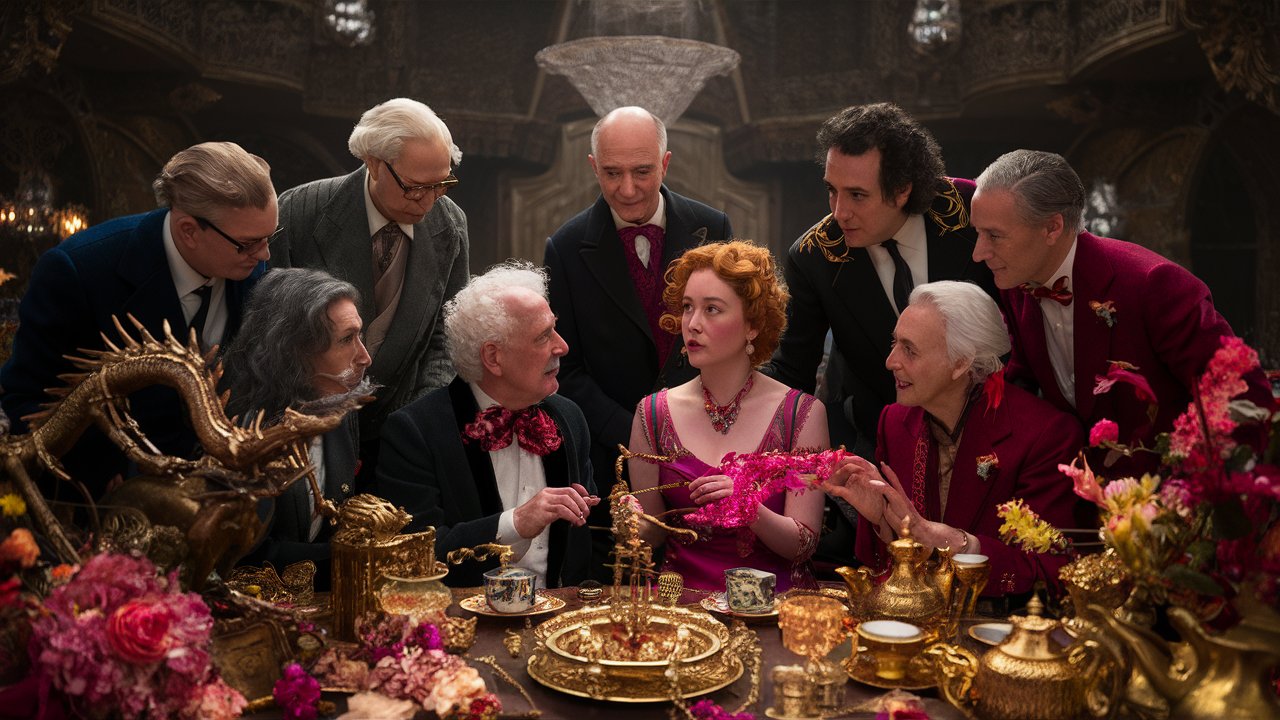
The concept of the Rarity Society represents a growing fascination with exclusivity, craftsmanship, and the pursuit of the extraordinary. In a world where mass production dominates, rarity has become the ultimate symbol of value and prestige. From limited-edition art pieces and rare sneakers to vintage watches and digital collectibles, the Rarity Society embodies a culture that celebrates uniqueness and scarcity. This article explores the meaning, evolution, and influence of the Rarity Society, uncovering how it shapes modern luxury, investment trends, and personal identity.
What Is the Rarity Society?
The Rarity Society refers to a community or movement centered around the appreciation and acquisition of rare, exclusive, and limited-edition items. It is not just about owning expensive things but about possessing something that few others can. Members of this society value authenticity, craftsmanship, and the story behind each piece. Whether it’s a one-of-a-kind artwork, a rare NFT, or a vintage designer item, rarity adds emotional and financial value. The Rarity Society thrives on the idea that scarcity creates desirability, and desirability drives worth.
The Psychology Behind Rarity and Exclusivity
Human psychology plays a crucial role in the appeal of rarity. The scarcity principle suggests that people assign more value to things that are hard to obtain. This principle fuels the Rarity Society, where collectors and enthusiasts compete for limited releases and exclusive drops. Owning something rare provides a sense of accomplishment, status, and belonging to an elite group. It also satisfies the human desire for individuality in a world of conformity. The emotional connection to rare items often transcends their material value, making them symbols of identity and personal taste.
The Rise of Digital Rarity: NFTs and Virtual Collectibles
The digital age has expanded the boundaries of the Rarity Society through non-fungible tokens (NFTs) and virtual collectibles. NFTs have revolutionized how rarity is perceived by introducing digital ownership verified through blockchain technology. Artists, musicians, and brands now create limited-edition digital assets that can be bought, sold, and traded globally. This digital rarity mirrors traditional collecting but with added transparency and accessibility. The NFT boom has attracted investors, creators, and collectors who see digital scarcity as the next frontier of luxury and cultural expression.
The Role of Luxury Brands in the Rarity Society
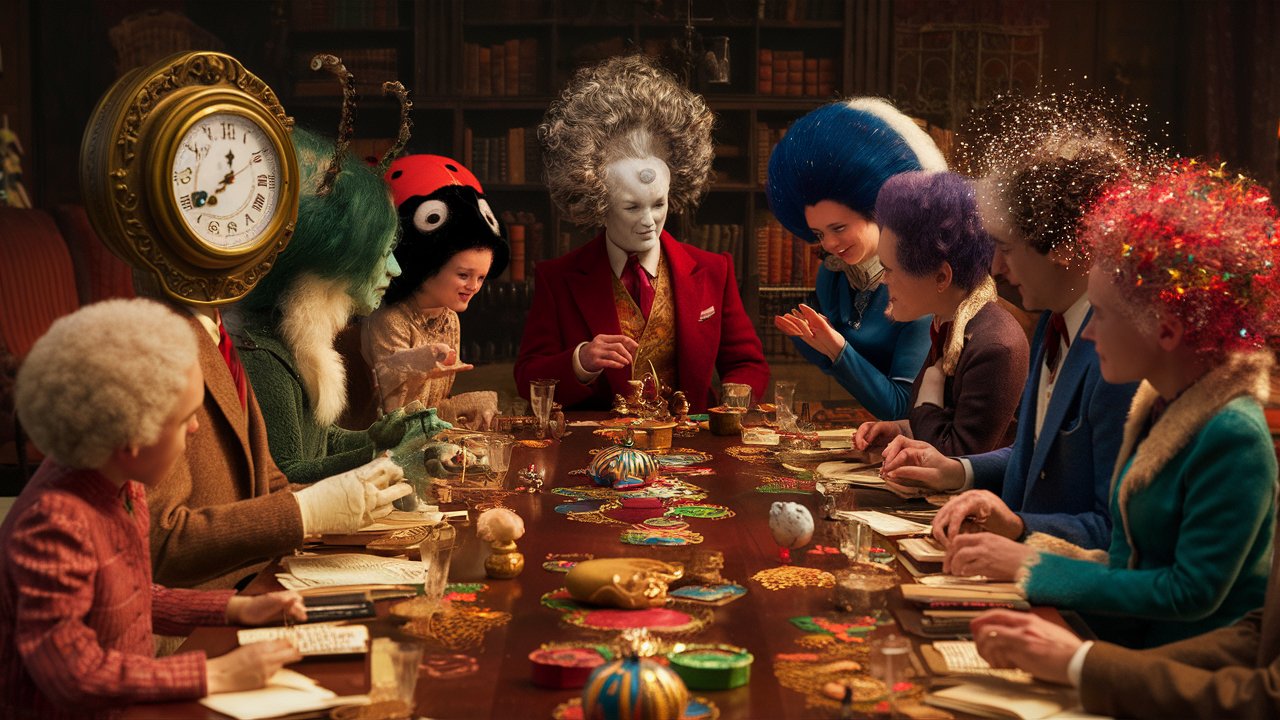
Luxury brands have long understood the power of rarity. Companies like Rolex, Hermès, and Supreme have built their reputations on limited availability and exclusivity. By producing fewer items than demand requires, they create anticipation and elevate perceived value. The Rarity Society aligns perfectly with this strategy, as consumers increasingly seek products that reflect individuality and prestige. Collaborations between luxury brands and artists or influencers further enhance the allure of exclusivity, turning each release into a cultural event.
Investment Potential of Rare Collectibles
Beyond aesthetics and status, the Rarity Society also represents a lucrative investment opportunity. Rare items often appreciate in value over time, especially when tied to cultural significance or historical importance. Collectors view rare art, vintage cars, and limited-edition fashion as alternative assets that diversify their portfolios. The rise of online marketplaces and authentication technologies has made it easier to trade and verify rare items, increasing investor confidence. However, successful investing in rarity requires knowledge, patience, and a deep understanding of market trends.
The Future of the Rarity Society
The future of the Rarity Society lies in the fusion of technology, sustainability, and personalization. As consumers become more conscious of environmental impact, brands are exploring ways to create rare items responsibly. Digital rarity will continue to evolve, with virtual fashion, metaverse collectibles, and AI-generated art redefining what it means to own something unique. The Rarity Society will remain a symbol of aspiration, creativity, and innovation, reflecting humanity’s timeless desire to stand out and possess the extraordinary.
Conclusion
The Rarity Society is more than a trend—it is a cultural movement that celebrates uniqueness, craftsmanship, and the emotional power of scarcity. From physical collectibles to digital assets, rarity continues to shape how people express identity, value, and success. As technology advances and consumer values shift, the Rarity Society will adapt, blending tradition with innovation. In a world overflowing with abundance, rarity remains the ultimate luxury.
Frequently Asked Questions
1. What does the term “Rarity Society” mean?
The Rarity Society refers to a community or culture that values rare, exclusive, and limited-edition items, emphasizing uniqueness and scarcity as symbols of prestige and identity.
2. Why are rare items considered more valuable?
Rare items are valuable because scarcity increases demand. The fewer there are of something, the more desirable it becomes, both emotionally and financially.
3. How do NFTs relate to the Rarity Society?
NFTs represent digital rarity by allowing ownership of unique digital assets verified through blockchain technology, expanding the concept of exclusivity into the virtual world.
4. Can rare collectibles be a good investment?
Yes, rare collectibles can appreciate in value over time, especially when they hold cultural, historical, or artistic significance. However, investing in rarity requires expertise and market awareness.
5. What is the future of the Rarity Society?
The future will likely involve a blend of physical and digital rarity, with sustainable practices, technological innovation, and personalized experiences shaping the next generation of exclusive collectibles.