
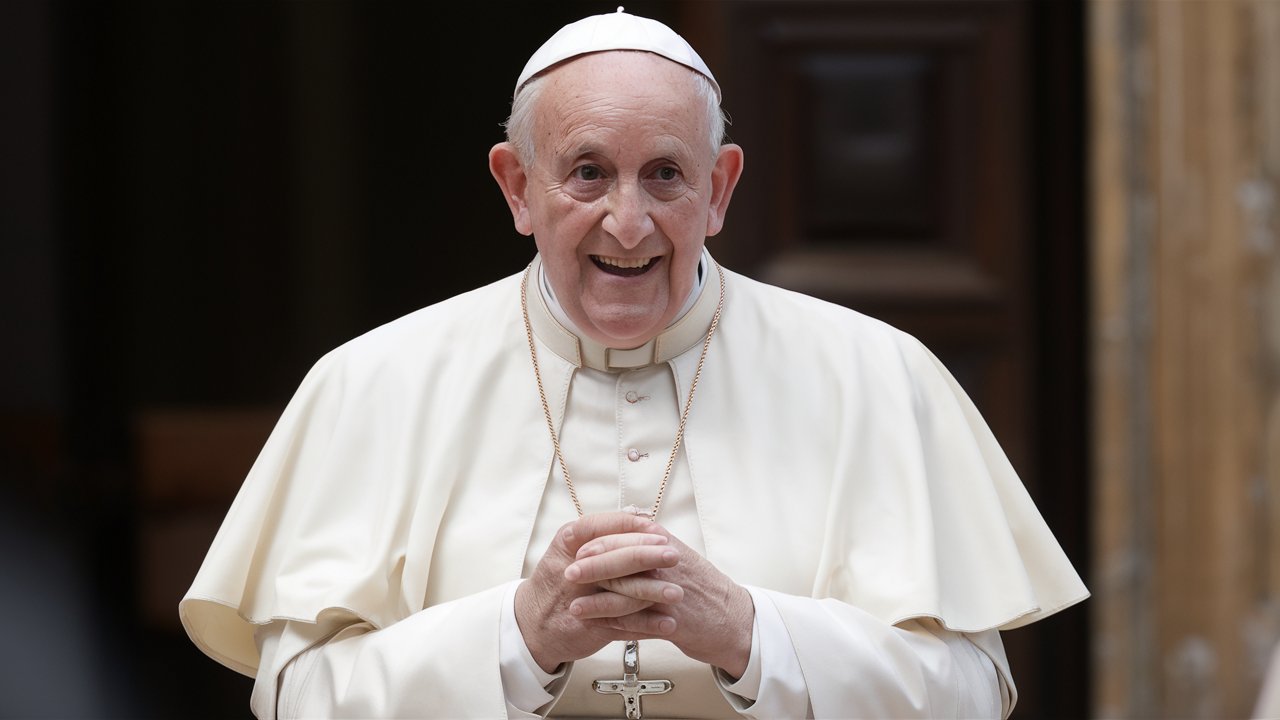
Pope Francis, the 266th pontiff of the Roman Catholic Church, has been a global spiritual leader since 2013. Known for his humility, compassion, and progressive approach to faith, he has inspired millions worldwide. However, in recent years, growing concerns about Pope Francis’ health have drawn attention from both the faithful and the media. As the first Jesuit pope and the first from Latin America, his leadership has been transformative, but his advancing age and recurring health issues have raised questions about his ability to continue leading the Church. This article explores the latest updates on Pope Francis’ health, the challenges he faces, and what his condition means for the future of the papacy.
Pope Francis’ Health: A Closer Look
Pope Francis, born Jorge Mario Bergoglio in 1936, is now in his late eighties. Over the past few years, he has faced several health challenges, including respiratory infections, knee pain, and colon surgery. Despite these issues, he continues to maintain a demanding schedule filled with audiences, international trips, and religious ceremonies. His resilience has been remarkable, but his health has inevitably slowed his pace. The Vatican has occasionally released updates confirming that while the pope experiences fatigue and mobility issues, his overall condition remains stable.
In 2021, Pope Francis underwent colon surgery to treat diverticulitis, a condition that affects the digestive system. The procedure was successful, but it marked the beginning of more frequent health-related absences and adjustments to his schedule. In subsequent years, he has also struggled with knee problems that have required him to use a wheelchair or cane during public appearances. These visible signs of aging have sparked speculation about his ability to continue leading the Church effectively.
The Vatican’s Approach to Papal Health
The Vatican traditionally maintains a high level of privacy regarding the pope’s medical condition. However, under Pope Francis, there has been a shift toward greater transparency. The Holy See Press Office now provides periodic updates, ensuring that the faithful remain informed without compromising the pope’s privacy. A dedicated team of doctors and medical professionals monitors his health closely, ensuring that he receives the best possible care.
The Vatican’s medical staff also takes preventive measures to manage the pope’s workload. His schedule is carefully balanced to allow for rest and recovery, especially after long trips or major events. Despite his health challenges, Pope Francis continues to emphasize the importance of service, humility, and compassion, often reminding the faithful that physical weakness does not diminish spiritual strength.
The Impact of Pope Francis’ Health on the Church
Pope Francis’ health has significant implications for the Catholic Church. As the spiritual leader of over 1.3 billion Catholics, his ability to fulfill his duties directly affects the Church’s global operations. His health challenges have prompted discussions about the possibility of resignation, similar to Pope Benedict XVI’s decision in 2013. While Pope Francis has stated that he would consider stepping down if his health prevented him from serving effectively, he continues to lead with determination and faith.
The pope’s health also influences the Church’s approach to leadership succession. The College of Cardinals, responsible for electing a new pope, closely monitors his condition to prepare for any eventual transition. However, Pope Francis has used his time to appoint new cardinals from diverse backgrounds, ensuring that the Church’s leadership reflects its global nature.
The Future of the Papacy
As Pope Francis continues to age, questions about the future of the papacy become increasingly relevant. His leadership has been marked by reform, inclusivity, and a focus on social justice. Whether he continues to serve for several more years or eventually steps down, his legacy will shape the Church for generations. His health challenges have not diminished his influence; instead, they have humanized him, making his message of compassion and perseverance even more powerful.
Conclusion
Pope Francis’ health remains a topic of global interest, reflecting both concern for his well-being and admiration for his enduring commitment to faith. Despite his age and medical challenges, he continues to inspire millions through his humility, wisdom, and dedication. The Vatican’s careful management of his health ensures that he can continue his mission for as long as possible. Whether leading from the Vatican or through prayer and reflection, Pope Francis’ influence on the Catholic Church and the world remains profound.
Frequently Asked Questions
1. What health issues has Pope Francis faced?
Pope Francis has experienced several health challenges, including colon surgery in 2021, chronic knee pain, and respiratory infections.
2. How old is Pope Francis now?
Pope Francis was born on December 17, 1936, making him in his late eighties.
3. Has Pope Francis considered resigning due to health reasons?
Yes, Pope Francis has mentioned that he would consider resignation if his health prevented him from fulfilling his duties, though he has not indicated any immediate plans to do so.
4. How does the Vatican manage the pope’s health?
The Vatican employs a team of medical professionals who monitor the pope’s condition and adjust his schedule to ensure adequate rest and recovery.
5. What would happen if Pope Francis could no longer serve?
If Pope Francis were to resign or pass away, the College of Cardinals would convene a conclave to elect a new pope, following established Vatican procedures.