
In today’s fast-paced world, the demand for home care solutions has grown significantly as more families seek personalized, compassionate, and convenient care for their loved ones. Home care solutions provide professional support services that allow individuals—especially seniors, people with disabilities, or those recovering from illness—to live safely and comfortably in their own homes. These services range from medical assistance and personal care to companionship and household management. The concept of home care is built on the foundation of dignity, independence, and quality of life. This article explores the importance of home care solutions, their types, benefits, and how to choose the right provider for every unique need.
Understanding Home Care Solutions
Home care solutions refer to a wide range of services designed to support individuals who need assistance with daily living activities while remaining in their own homes. These services can include medical care, personal hygiene assistance, meal preparation, medication management, and companionship. Unlike institutional care, home care allows individuals to maintain their independence and stay connected to their familiar surroundings. It is particularly beneficial for seniors who prefer aging in place, patients recovering from surgery, or individuals with chronic illnesses who require ongoing support. The flexibility of home care solutions ensures that each care plan is tailored to meet the specific needs of the client, promoting comfort, safety, and well-being.
Types of Home Care Solutions
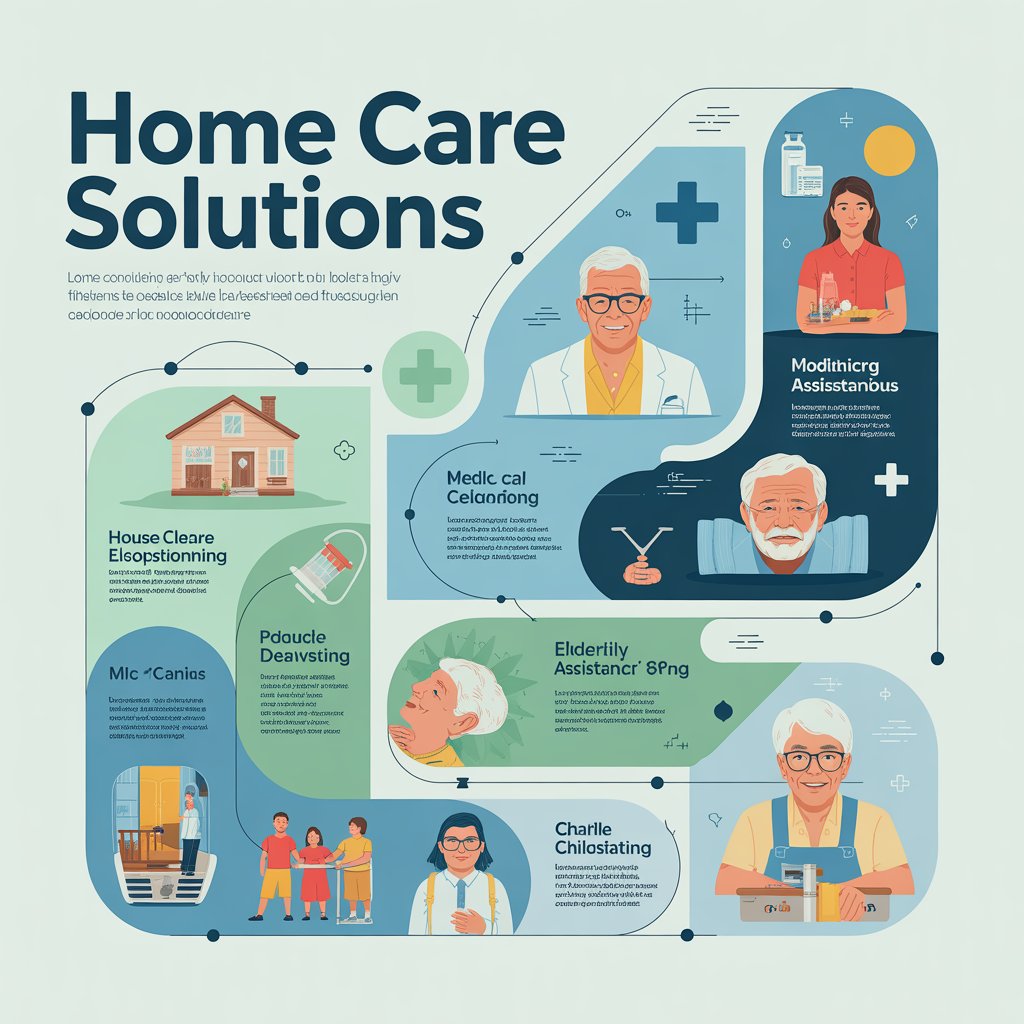
There are several types of home care solutions available, each catering to different levels of need. Personal care services focus on helping individuals with daily activities such as bathing, dressing, grooming, and mobility assistance. Companion care provides emotional support and social interaction, reducing feelings of loneliness and isolation. Skilled nursing care involves medical professionals who administer medications, monitor vital signs, and manage chronic conditions. Therapy services, including physical, occupational, and speech therapy, help clients regain independence after injury or illness. Additionally, specialized care is available for individuals with Alzheimer’s, dementia, or other cognitive impairments. The diversity of home care solutions ensures that every individual receives the right level of care based on their health and lifestyle.
Benefits of Home Care Solutions
The benefits of home care solutions extend beyond physical assistance—they also enhance emotional and mental well-being. One of the most significant advantages is the ability to remain in a familiar environment, which promotes comfort and reduces stress. Home care also provides personalized attention, as caregivers focus solely on the client’s needs, unlike in crowded facilities. Families gain peace of mind knowing their loved ones are receiving professional care in a safe and nurturing setting. Moreover, home care can be more cost-effective than residential care facilities, as services can be customized to fit specific budgets and requirements. The flexibility, comfort, and emotional support offered by home care solutions make them an ideal choice for individuals seeking independence and dignity.
How to Choose the Right Home Care Provider
Selecting the right home care provider is a crucial decision that requires careful consideration. Start by assessing the specific needs of the individual—whether they require medical care, personal assistance, or companionship. Research reputable home care agencies that are licensed, insured, and have positive client reviews. It is important to verify the qualifications and background of caregivers to ensure safety and professionalism. Discuss the care plan in detail, including schedules, costs, and emergency procedures. Transparency and communication are key factors in building trust between families and care providers. Choosing a provider that aligns with the client’s values and preferences ensures a positive and supportive care experience.
The Role of Technology in Modern Home Care Solutions
Technology has revolutionized the home care industry, making services more efficient and accessible. Modern home care solutions now incorporate digital tools such as remote health monitoring, telemedicine consultations, and mobile apps for scheduling and communication. These innovations allow caregivers and families to track health metrics, medication schedules, and daily activities in real time. Smart home devices, such as fall detection sensors and voice-activated assistants, enhance safety and convenience for seniors living alone. Technology not only improves the quality of care but also fosters independence by empowering clients to manage their health proactively. The integration of technology into home care solutions represents the future of personalized and connected healthcare.
Home Care Solutions for Seniors
Seniors are among the primary beneficiaries of home care solutions, as these services enable them to age gracefully in the comfort of their own homes. Aging often brings challenges such as reduced mobility, chronic illnesses, and cognitive decline, which can make daily tasks difficult. Home care solutions provide the necessary support to help seniors maintain their independence while ensuring their safety and well-being. Caregivers assist with personal care, medication reminders, meal preparation, and companionship, creating a nurturing environment that promotes physical and emotional health. For families, home care offers reassurance that their elderly loved ones are receiving compassionate and professional care tailored to their unique needs.
Conclusion
Home care solutions have transformed the way individuals receive care, offering a compassionate and personalized alternative to traditional healthcare facilities. By combining professional expertise with empathy and flexibility, home care allows people to live independently while receiving the support they need. Whether for seniors, individuals recovering from illness, or those with chronic conditions, home care solutions provide comfort, dignity, and peace of mind. As technology continues to advance and awareness grows, home care will remain an essential part of modern healthcare, empowering individuals to live healthier and happier lives in the place they call home.
Frequently Asked Questions
What are home care solutions?
Home care solutions are professional services that provide medical, personal, and emotional support to individuals in their own homes, helping them maintain independence and quality of life.
Who can benefit from home care services?
Home care services are ideal for seniors, people with disabilities, patients recovering from surgery, and individuals with chronic illnesses who need assistance with daily activities.
What types of services do home care providers offer?
Home care providers offer personal care, companionship, skilled nursing, therapy services, and specialized care for conditions like Alzheimer’s and dementia.
Are home care solutions affordable?
Home care can be more affordable than residential care facilities since services are customized based on individual needs and budgets.
How do I choose a reliable home care provider?
Look for licensed and insured providers with experienced caregivers, transparent pricing, and positive client reviews. Always discuss care plans and expectations in detail.
Can home care include medical assistance?
Yes, skilled nursing services within home care include medication management, wound care, and monitoring of chronic conditions under professional supervision.
Is home care available 24/7?
Many home care agencies offer flexible schedules, including 24-hour care, to accommodate clients who need continuous support.
How does technology improve home care solutions?
Technology enhances home care through remote monitoring, telehealth consultations, and smart devices that improve safety and communication.
Can home care help with companionship and emotional support?
Absolutely. Companion care services focus on providing social interaction, emotional support, and engagement to reduce loneliness and improve mental well-being.
Why is home care better than a nursing home for some people?
Home care allows individuals to stay in familiar surroundings, receive personalized attention, and maintain independence, making it a preferred choice for many families.