
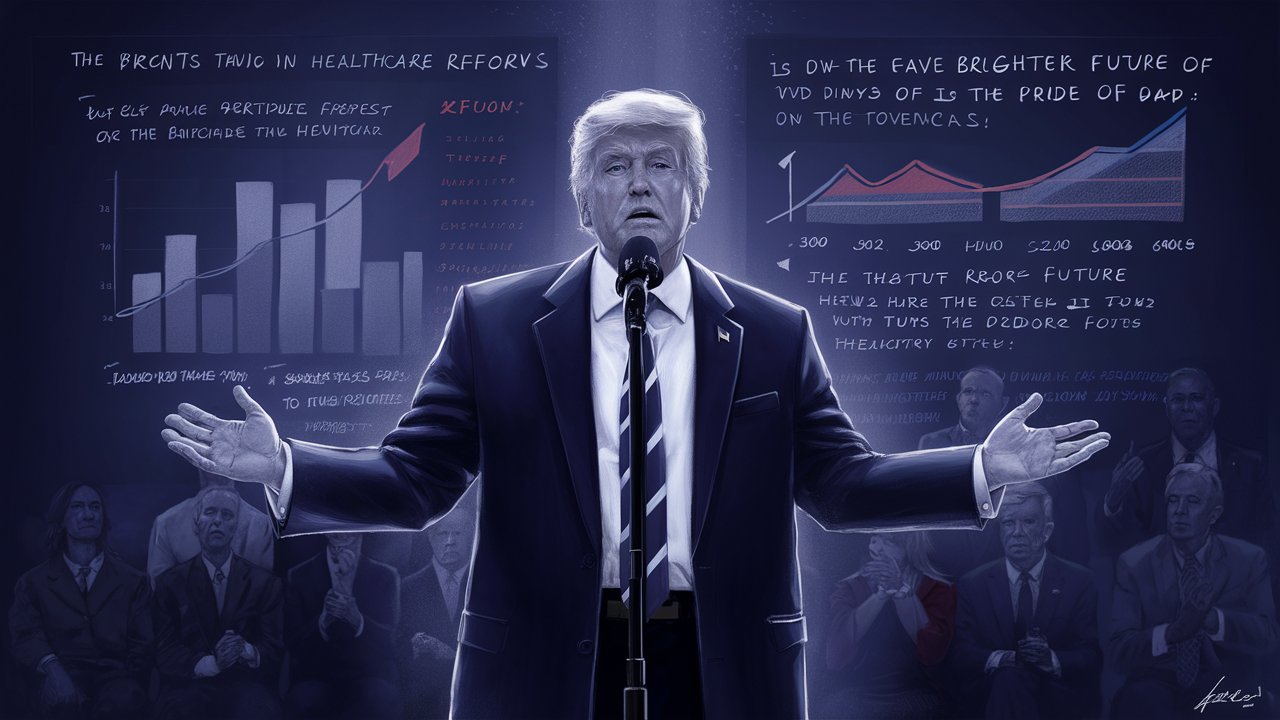
The topic of Trump health has been a subject of public interest and media scrutiny for years. From his physical fitness and medical reports to his administration’s healthcare policies, Donald Trump’s health has remained a focal point in political and social discussions. Understanding Trump’s health involves not only examining his personal wellness but also the broader implications of his healthcare decisions during his presidency. This article explores the key aspects of Trump’s health, including his medical history, lifestyle habits, healthcare policies, and the public’s perception of his physical and mental fitness.
Trump’s Medical History and Public Health Reports
Donald Trump’s health has been publicly discussed since his first presidential campaign in 2016. His medical reports, released periodically, have described him as being in “excellent health,” though some experts have questioned the transparency of these assessments. Trump’s long-time physician, Dr. Harold Bornstein, once claimed that Trump would be “the healthiest individual ever elected to the presidency,” a statement that drew both attention and skepticism. Over the years, Trump’s weight, cholesterol levels, and cardiovascular health have been topics of debate, with official reports indicating that he takes medication to manage cholesterol and maintain heart health.
Trump’s Lifestyle and Fitness Habits
Trump’s lifestyle choices have also contributed to the ongoing discussion about his health. Known for his preference for fast food, limited exercise, and minimal alcohol consumption, Trump’s habits reflect a unique approach to wellness. Despite his unconventional diet, he has maintained a relatively stable health profile for his age. His avoidance of smoking and drinking has likely contributed positively to his overall condition. However, critics often point out that his lack of regular physical activity and high-fat diet could pose long-term health risks. Trump’s energy levels and stamina during his presidency, often demonstrated through long rallies and public appearances, have been cited by supporters as evidence of his robust health.
Trump’s Healthcare Policies and Their Impact
Beyond his personal health, Trump’s influence on national healthcare policy remains significant. His administration sought to repeal and replace the Affordable Care Act (ACA), aiming to reduce government involvement in healthcare and promote private sector solutions. While the full repeal did not occur, several changes were implemented, including the removal of the individual mandate penalty. Trump’s healthcare policies emphasized deregulation, price transparency, and expanded access to short-term insurance plans. Supporters argue that these measures increased consumer choice, while critics contend that they weakened protections for individuals with pre-existing conditions. The legacy of Trump’s healthcare reforms continues to shape political debates and policy discussions in the United States.
Public Perception and Media Coverage of Trump’s Health
Media coverage has played a major role in shaping public perception of Trump’s health. Every medical report, hospital visit, or public appearance has been analyzed and debated across news outlets and social media platforms. Supporters often highlight his resilience and energy, while opponents question the accuracy of official health statements. The secrecy surrounding certain medical visits, such as his unannounced trip to Walter Reed National Military Medical Center in 2019, fueled speculation about potential health issues. This intense scrutiny reflects the broader political polarization surrounding Trump, where even his physical condition becomes a point of contention.
Trump Health in 2026: Current Status and Future Outlook
As of 2026, Donald Trump remains an active figure in American politics, continuing to make public appearances and participate in political events. His health appears stable, with no major medical incidents publicly reported. Observers note that his continued engagement in high-energy activities suggests a level of vitality uncommon for someone in their late seventies. However, as with any public figure of advanced age, questions about long-term health and fitness for leadership persist. Trump’s ability to maintain his public schedule and command large audiences continues to reinforce his image as a resilient and determined political figure.
Conclusion
The discussion around Trump health encompasses more than just medical reports—it reflects the intersection of politics, media, and public perception. From his personal wellness and lifestyle habits to his administration’s healthcare policies, Trump’s health remains a multifaceted topic that continues to influence political discourse. Whether viewed through the lens of physical fitness, policy impact, or media portrayal, Trump’s health story underscores the importance of transparency, leadership endurance, and the public’s enduring fascination with the personal lives of political figures.
Frequently Asked Questions (FAQ)
1. What is known about Donald Trump’s current health?
As of 2026, Trump’s health appears stable, with no major medical issues publicly reported. He continues to make frequent public appearances and remains active in political events.
2. What were Trump’s main healthcare policies during his presidency?
Trump’s administration focused on repealing parts of the Affordable Care Act, promoting price transparency, and expanding short-term insurance options to increase consumer choice.
3. How does Trump’s lifestyle affect his health?
Trump’s diet includes fast food and limited exercise, but his avoidance of alcohol and tobacco has likely contributed positively to his overall health.
4. Why is Trump’s health often discussed in the media?
As a former president and public figure, Trump’s health is closely monitored due to its potential impact on political leadership and public confidence.
5. How have Trump’s healthcare policies influenced the U.S. healthcare system?
His policies reshaped aspects of the healthcare market by emphasizing deregulation and private sector involvement, influencing ongoing debates about healthcare accessibility and affordability.