
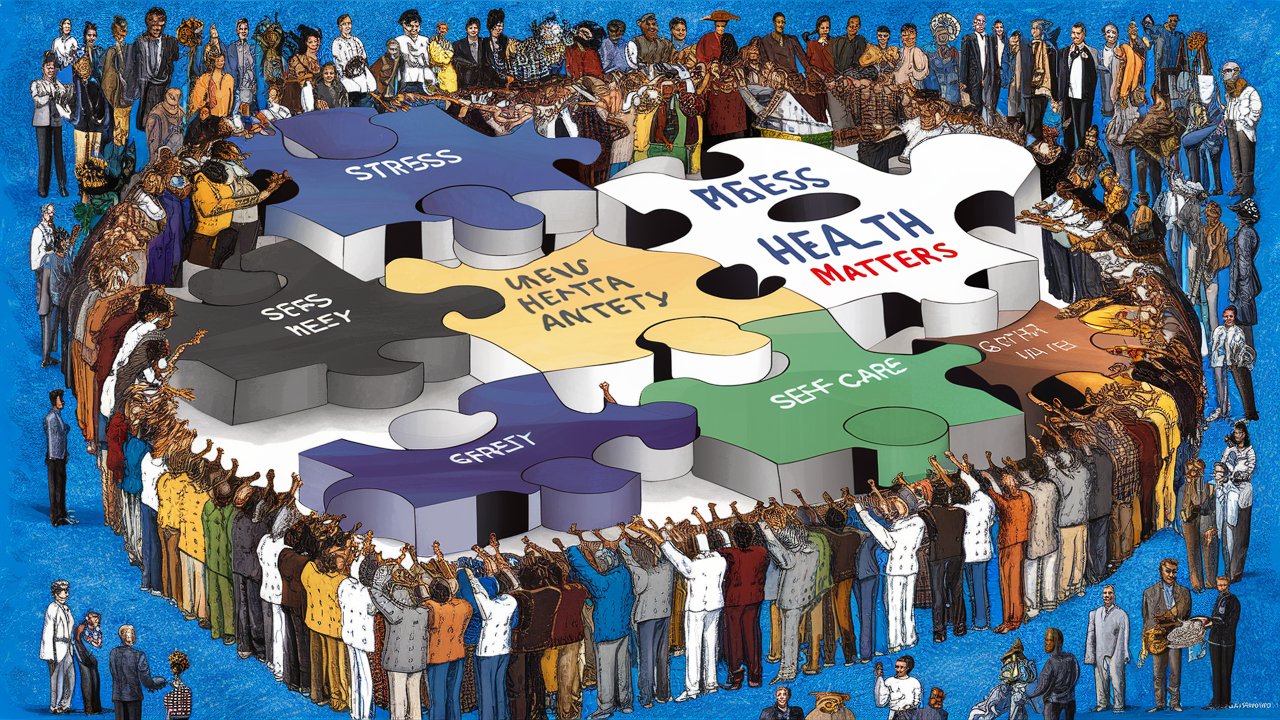
Men’s Mental Health Month, observed every June, is a vital campaign dedicated to raising awareness about the mental health challenges men face and encouraging open conversations about emotional well-being. Despite growing recognition of mental health issues, many men continue to struggle in silence due to societal expectations, stigma, and misconceptions about masculinity. This awareness month serves as a reminder that mental health is just as important as physical health and that seeking help is a sign of strength, not weakness. By promoting education, support, and understanding, Men’s Mental Health Month aims to create a culture where men feel empowered to prioritize their mental wellness and seek the care they need.
Understanding Men’s Mental Health Month
Men’s Mental Health Month was established to shed light on the unique mental health challenges that men experience and to encourage open dialogue about emotional well-being. Historically, men have been less likely to seek mental health support due to cultural norms that equate masculinity with emotional toughness. This has led to underdiagnosis and untreated mental health conditions among men, contributing to higher rates of depression, anxiety, substance abuse, and suicide.
The goal of Men’s Mental Health Month is to challenge these outdated stereotypes and promote a healthier understanding of masculinity—one that embraces vulnerability, empathy, and self-care. Through community events, educational campaigns, and social media initiatives, this month encourages men to speak openly about their struggles and seek professional help when needed. It also calls on families, friends, and workplaces to create supportive environments where men feel safe discussing their mental health.
The Importance of Men’s Mental Health Awareness
Raising awareness about men’s mental health is crucial because the consequences of neglecting it are severe. Studies show that men are significantly less likely than women to seek therapy or counseling, even when experiencing symptoms of depression or anxiety. This reluctance often stems from fear of judgment, societal pressure to appear strong, and a lack of accessible mental health resources tailored to men’s needs.
Men’s Mental Health Month provides an opportunity to address these barriers and promote early intervention. By normalizing conversations about mental health, society can help men recognize that emotional struggles are not a sign of weakness but a natural part of the human experience. Awareness campaigns also highlight the importance of preventive care, encouraging men to adopt healthy coping mechanisms such as exercise, mindfulness, and open communication.
Common Mental Health Challenges Among Men
Men face a range of mental health challenges that often go unnoticed or unaddressed. Depression is one of the most common conditions, yet it frequently manifests differently in men than in women. Instead of expressing sadness, men may exhibit irritability, anger, or withdrawal. Anxiety disorders are also prevalent, often linked to work-related stress, financial pressures, or family responsibilities.
Another significant issue is substance abuse, which many men use as a coping mechanism for emotional pain. This can lead to addiction, health problems, and further mental distress. Suicide remains one of the most alarming concerns, with men accounting for a disproportionately high percentage of suicide deaths worldwide. These statistics underscore the urgent need for targeted mental health interventions and support systems that address men’s specific needs.

How to Support Men During Men’s Mental Health Month
Supporting men’s mental health requires a collective effort from families, communities, and organizations. One of the most effective ways to help is by encouraging open conversations. Creating safe spaces where men can express their feelings without fear of judgment can make a significant difference. Listening with empathy and validating their experiences helps break down emotional barriers.
Workplaces can also play a vital role by implementing mental health programs that promote work-life balance, stress management, and access to counseling services. Educational institutions can integrate mental health education into their curricula, teaching young men the importance of emotional intelligence and self-care. On a personal level, friends and family members can support men by checking in regularly, offering understanding, and encouraging professional help when necessary.
The Role of Therapy and Professional Support
Professional mental health support is a cornerstone of recovery and well-being. Therapy provides men with a confidential environment to explore their emotions, identify unhealthy patterns, and develop coping strategies. Cognitive-behavioral therapy (CBT), group therapy, and online counseling platforms have made mental health care more accessible than ever.
Men’s Mental Health Month emphasizes that seeking therapy is not a sign of weakness but an act of courage and self-awareness. Mental health professionals can help men navigate complex emotions, manage stress, and build resilience. Encouraging men to view therapy as a proactive step toward personal growth can help dismantle the stigma surrounding mental health treatment.
The Future of Men’s Mental Health Advocacy
The future of men’s mental health depends on continued advocacy, education, and systemic change. As awareness grows, more organizations are prioritizing mental health initiatives that specifically address men’s needs. Social media campaigns, celebrity endorsements, and community outreach programs are helping to normalize discussions about mental health and encourage men to seek help.
However, there is still much work to be done. Expanding access to affordable mental health care, improving workplace mental health policies, and integrating mental health education into schools are essential steps toward lasting change. By fostering a culture of openness and compassion, society can ensure that men receive the support they need to lead healthier, more fulfilling lives.
Conclusion
Men’s Mental Health Month serves as a powerful reminder that mental health is a universal issue that affects everyone, regardless of gender. By breaking the stigma, promoting awareness, and encouraging open dialogue, this campaign empowers men to take charge of their emotional well-being. The journey toward better mental health begins with understanding, compassion, and action. As society continues to evolve, supporting men’s mental health must remain a priority—not just in June, but throughout the entire year.
Frequently Asked Questions
1. When is Men’s Mental Health Month observed?
Men’s Mental Health Month is observed every June to raise awareness about the mental health challenges men face and to promote emotional well-being.
2. Why is Men’s Mental Health Month important?
It helps break the stigma surrounding men’s mental health, encourages open conversations, and promotes early intervention and support.
3. What are common mental health issues among men?
Common issues include depression, anxiety, substance abuse, and suicide, often linked to societal pressures and emotional suppression.
4. How can men improve their mental health?
Men can improve their mental health by seeking therapy, maintaining healthy lifestyles, building supportive relationships, and practicing mindfulness.
5. How can others support men during Men’s Mental Health Month?
Support can be shown by listening without judgment, encouraging professional help, promoting awareness campaigns, and fostering open discussions about mental health.