
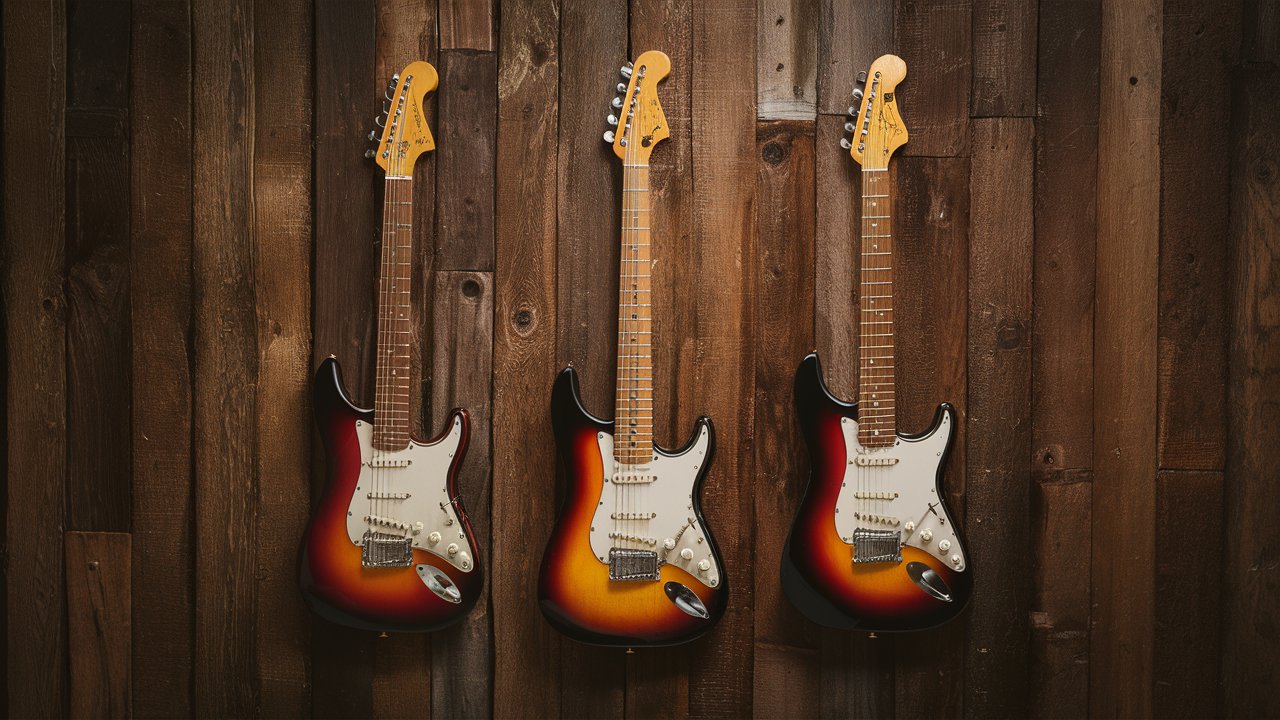
The electric guitar is one of the most iconic instruments in modern music, shaping genres from rock and blues to jazz and metal. Its ability to produce powerful, amplified sounds has made it a favorite among musicians and fans alike. Understanding the history, types, and features of electric guitars can help both beginners and experienced players make informed decisions when choosing the right instrument. This comprehensive guide explores everything about electric guitars, including their evolution, construction, popular models, and essential buying tips.
The History of the Electric Guitar
The electric guitar was born out of the need for louder instruments in the early 20th century. Acoustic guitars struggled to be heard in large bands and orchestras, leading to the invention of the first electric models in the 1930s. Innovators like Les Paul and Leo Fender revolutionized the music industry by creating solid-body electric guitars that could produce clear, amplified tones without feedback. Over the decades, the electric guitar became a symbol of rebellion, creativity, and musical innovation, influencing countless genres and artists.
Types of Electric Guitars
Electric guitars come in various shapes and designs, each offering unique tonal characteristics. The solid-body electric guitar is the most common type, known for its sustain and versatility. Models like the Fender Stratocaster and Gibson Les Paul are legendary examples. The semi-hollow body guitar combines the warmth of an acoustic with the power of an electric, making it ideal for jazz and blues. The hollow-body electric guitar produces a rich, resonant tone but is more prone to feedback, often favored by jazz musicians. Understanding these differences helps players choose the right guitar for their musical style.
Key Components of an Electric Guitar
An electric guitar consists of several essential parts that influence its sound and playability. The body determines resonance and tone, while the neck affects comfort and speed. The pickups are magnetic devices that convert string vibrations into electrical signals, shaping the guitar’s sound. Single-coil pickups produce bright, crisp tones, while humbuckers deliver a thicker, warmer sound. The bridge, tuners, and frets also play crucial roles in maintaining tuning stability and intonation. High-quality materials and craftsmanship ensure better performance and durability.
Popular Electric Guitar Brands and Models
Several brands have become synonymous with quality and innovation in the electric guitar world. Fender is known for its Stratocaster and Telecaster models, offering bright tones and smooth playability. Gibson produces the iconic Les Paul and SG, favored for their rich, powerful sound. Ibanez and PRS (Paul Reed Smith) cater to modern players with sleek designs and versatile tones. Epiphone and Yamaha provide affordable options for beginners without compromising quality. Choosing a reputable brand ensures reliability, resale value, and consistent performance.

How to Choose the Right Electric Guitar
Selecting the perfect electric guitar depends on several factors, including budget, playing style, and musical genre. Beginners should look for comfortable necks, lightweight bodies, and versatile pickups. Intermediate and advanced players may prioritize tonewoods, hardware quality, and brand reputation. Trying different models in person helps determine which guitar feels and sounds best. It’s also important to consider the amplifier and accessories, as they significantly influence the overall tone. Investing in a quality instrument ensures long-term satisfaction and better musical growth.
Electric Guitar Maintenance Tips
Proper maintenance keeps an electric guitar sounding and looking its best. Regular cleaning prevents dirt buildup on strings and hardware. Changing strings every few weeks maintains tone and playability. Adjusting the truss rod, bridge, and intonation ensures accurate tuning and comfortable action. Storing the guitar in a case protects it from humidity and temperature changes. Periodic professional setups can extend the instrument’s lifespan and enhance performance. Consistent care preserves both the sound quality and aesthetic appeal of the guitar.
The Role of Electric Guitars in Modern Music
Electric guitars continue to shape the sound of contemporary music. From the bluesy bends of B.B. King to the shredding solos of Eddie Van Halen, the instrument remains a cornerstone of musical expression. Modern genres like indie rock, metal, and pop rely heavily on electric guitar tones to define their sound. With advancements in digital effects and modeling technology, players can now experiment with endless sonic possibilities. The electric guitar’s adaptability ensures its relevance in every era of music.
Conclusion
The electric guitar is more than just an instrument—it’s a symbol of creativity, passion, and innovation. Understanding its history, types, and components helps musicians make informed choices and develop their unique sound. Whether a beginner exploring the first chords or a professional performing on stage, the electric guitar offers limitless potential for artistic expression. With proper care and the right selection, it becomes a lifelong companion in the journey of music.
Frequently Asked Questions
1. What is the best electric guitar for beginners?
Affordable models like the Yamaha Pacifica, Squier Stratocaster, and Epiphone Les Paul are excellent choices for beginners due to their playability and quality.
2. How often should electric guitar strings be changed?
Strings should be replaced every 2–4 weeks for regular players or sooner if they sound dull or feel rough.
3. What is the difference between single-coil and humbucker pickups?
Single-coil pickups produce bright, crisp tones, while humbuckers offer a warmer, thicker sound with reduced noise.
4. Can an electric guitar be played without an amplifier?
Yes, but the sound will be very quiet. An amplifier is needed to fully experience the guitar’s tone and volume.
5. How should an electric guitar be stored?
Store it in a hard case or gig bag, away from direct sunlight and humidity, to prevent damage and maintain tuning stability.