
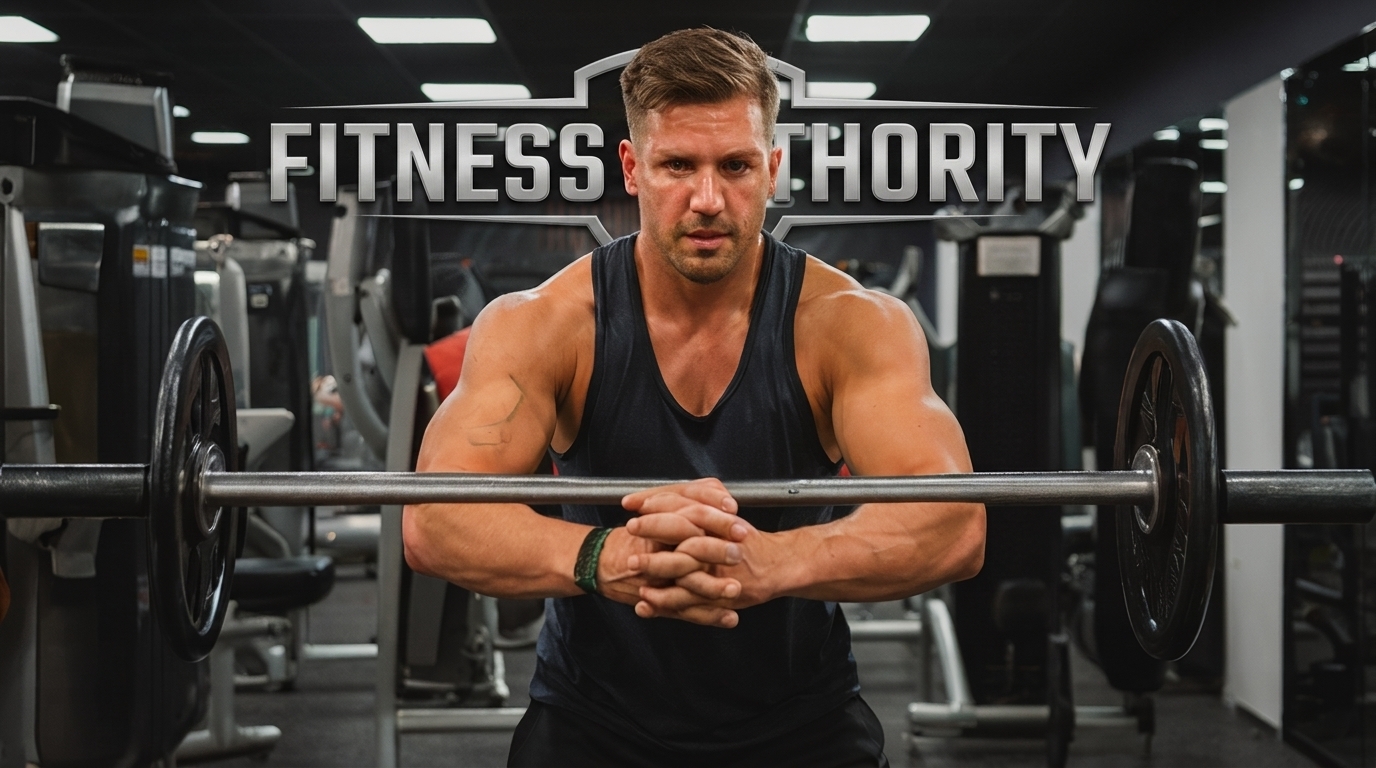
In today’s competitive health and wellness landscape, becoming a fitness authority is more than just having knowledge about exercise and nutrition—it’s about establishing credibility, trust, and influence. A fitness authority is someone recognized for their expertise, reliability, and ability to inspire others to achieve their health goals. Whether it’s a personal trainer, fitness influencer, gym owner, or wellness coach, being seen as an authority in the fitness industry can open doors to new opportunities, partnerships, and long-term success. This comprehensive guide explores what it means to be a fitness authority, how to build that reputation, and why it’s essential for anyone looking to thrive in the modern fitness world.
What Is a Fitness Authority?
A fitness authority is an individual or brand that is widely respected for their knowledge, experience, and results in the fitness industry. They are trusted voices who provide accurate information, effective training methods, and motivational content that helps others improve their health and performance. Fitness authorities often have a strong online presence, publish educational content, and engage with their audience through social media, blogs, or podcasts. Their influence extends beyond workouts—they shape trends, promote healthy lifestyles, and guide people toward sustainable fitness habits.
Being a fitness authority requires more than just certifications or degrees. It involves continuous learning, staying updated with the latest research, and demonstrating real-world results. The most successful fitness authorities combine science-based knowledge with authenticity and passion, creating a brand that resonates with audiences worldwide.
Why Becoming a Fitness Authority Matters
Establishing oneself as a fitness authority offers numerous benefits, both professionally and personally. In an industry saturated with misinformation, people seek credible sources they can trust. When recognized as an authority, fitness professionals gain a loyal following, attract clients more easily, and can command higher rates for their services.
From a business perspective, being a fitness authority enhances brand visibility and opens doors to collaborations with major fitness brands, supplement companies, and media outlets. It also allows professionals to diversify their income through online coaching, digital courses, and sponsored partnerships. On a personal level, becoming a fitness authority provides a sense of fulfillment, as it allows individuals to make a meaningful impact on others’ lives by promoting health, confidence, and well-being.
How to Build Fitness Authority
1. Develop Deep Knowledge and Expertise
The foundation of becoming a fitness authority lies in mastering the fundamentals of exercise science, nutrition, and human physiology. Continuous education through certifications, workshops, and research ensures credibility. Staying informed about new fitness trends, recovery techniques, and dietary advancements helps maintain relevance in a fast-changing industry.
2. Create High-Quality Content
Content is the cornerstone of authority building. Publishing blogs, videos, podcasts, and social media posts that educate and inspire audiences establishes trust. Focus on providing actionable advice, evidence-based insights, and motivational stories. Consistency in content creation signals reliability and expertise, helping to position a brand as a go-to source for fitness knowledge.
3. Build a Strong Online Presence
In the digital era, a strong online presence is essential for any fitness authority. A professional website, active social media profiles, and SEO-optimized content help reach a wider audience. Engaging with followers through comments, live sessions, and Q&A builds community and loyalty. Using keywords like “fitness authority,” “fitness expert,” and “health influencer” in online content improves search engine visibility and attracts organic traffic.
4. Showcase Real Results
Authenticity is key to credibility. Sharing client success stories, transformation photos, and testimonials demonstrates real-world impact. People trust fitness authorities who can prove their methods work. Transparency about personal fitness journeys also helps build emotional connections with audiences.
5. Collaborate and Network
Networking with other professionals, brands, and influencers strengthens authority. Collaborations such as guest blogging, podcast interviews, or joint fitness challenges expand reach and credibility. Being featured in reputable fitness publications or speaking at industry events further solidifies one’s position as a trusted expert.

The Role of Social Media in Becoming a Fitness Authority
Social media platforms like Instagram, TikTok, and YouTube have become powerful tools for establishing fitness authority. They allow professionals to showcase expertise through tutorials, workout routines, and motivational content. Consistent posting, engagement with followers, and the use of trending hashtags help increase visibility.
Video content, in particular, plays a crucial role in building trust. Demonstrating exercises, explaining techniques, and sharing personal insights create authenticity and relatability. Fitness authorities who leverage social media effectively can grow their audience exponentially, turning followers into loyal clients and brand advocates.
Common Mistakes That Prevent Fitness Authority Growth
Many aspiring fitness professionals struggle to establish authority because they focus solely on self-promotion rather than value creation. Overemphasizing aesthetics without providing educational content can limit credibility. Another common mistake is inconsistency—posting irregularly or neglecting audience engagement weakens trust.
Additionally, failing to back claims with scientific evidence can damage reputation. A true fitness authority bases advice on research and proven methods, not trends or fads. Maintaining professionalism, transparency, and integrity is essential for long-term success in the fitness industry.
The Future of Fitness Authority in the Digital Age
The concept of fitness authority continues to evolve as technology reshapes the fitness landscape. Artificial intelligence, wearable technology, and personalized training apps are transforming how people approach health and exercise. Future fitness authorities will integrate data-driven insights with human empathy to deliver customized solutions.
Moreover, the rise of virtual coaching and online communities means that authority is no longer limited by geography. Fitness professionals can now reach global audiences, offering programs and mentorship to clients worldwide. Those who adapt to digital innovation while maintaining authenticity will remain at the forefront of the industry.
Conclusion
Becoming a fitness authority is not just about gaining followers or recognition—it’s about making a lasting impact through knowledge, authenticity, and leadership. By mastering expertise, creating valuable content, and building trust, fitness professionals can establish themselves as credible voices in a crowded market. The journey requires dedication, consistency, and a genuine passion for helping others achieve their goals. In an era where information is abundant but trust is scarce, true fitness authorities stand out as beacons of reliability, guiding people toward healthier, stronger, and more confident lives.
Frequently Asked Questions (FAQ)
1. What does it mean to be a fitness authority?
A fitness authority is a trusted expert in the health and wellness industry who provides credible, science-based information and inspires others to achieve their fitness goals.
2. How can someone become a fitness authority?
By gaining deep knowledge, creating valuable content, building an online presence, showcasing results, and maintaining authenticity and consistency.
3. Why is being a fitness authority important?
It builds credibility, attracts clients, enhances brand reputation, and opens opportunities for collaborations, sponsorships, and media exposure.
4. Do I need certifications to be a fitness authority?
While certifications help establish credibility, real-world experience, continuous learning, and proven results are equally important.
5. How can social media help in becoming a fitness authority?
Social media platforms allow professionals to share expertise, engage with audiences, and build a loyal community that recognizes their authority.
6. What are the biggest challenges in becoming a fitness authority?
Challenges include standing out in a crowded market, maintaining consistency, and ensuring all shared information is accurate and evidence-based.