
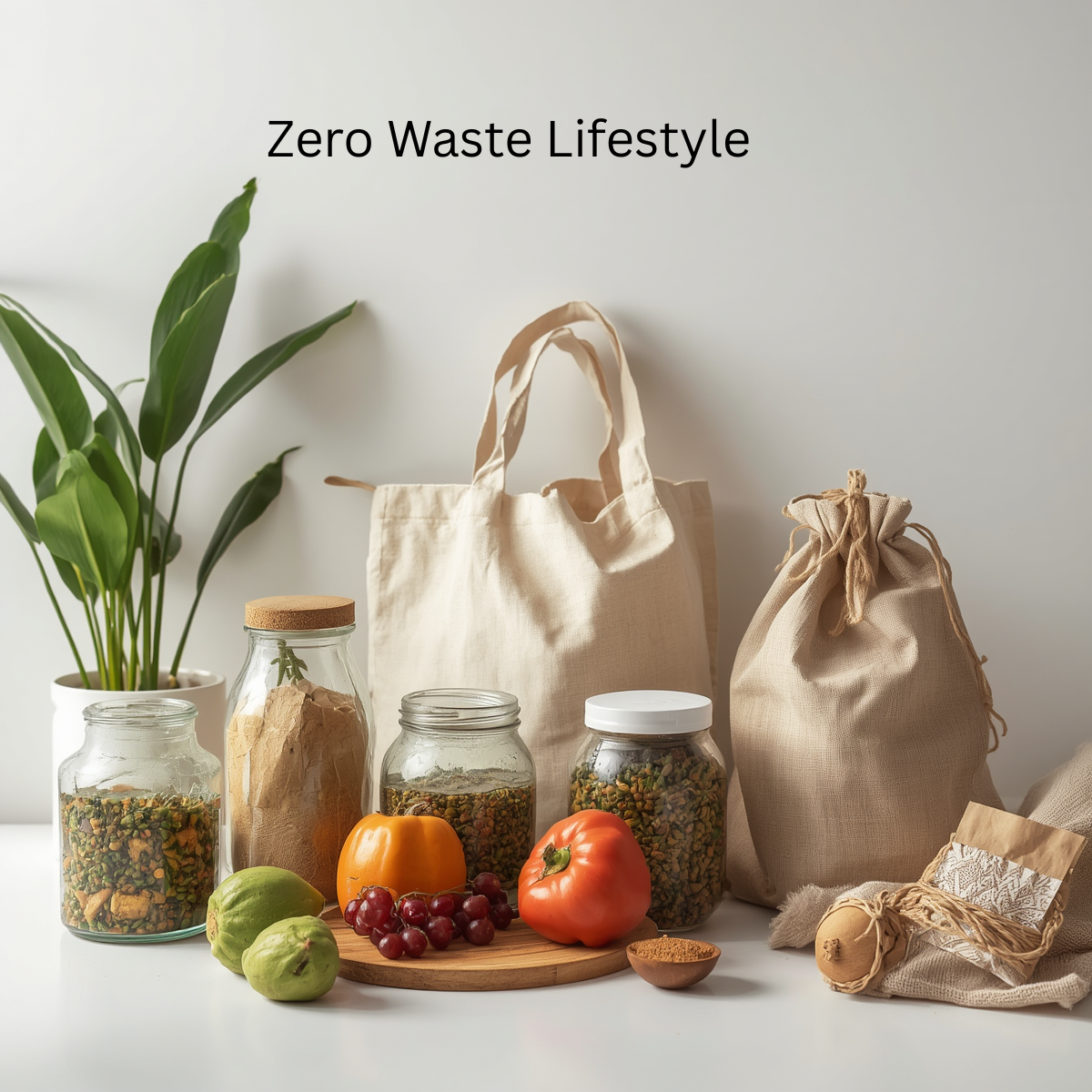
The zero waste lifestyle has become one of the most influential movements in the global sustainability revolution. As environmental concerns grow and waste production continues to rise, more individuals are seeking ways to reduce their ecological footprint. The zero waste lifestyle focuses on minimizing waste generation by rethinking consumption habits, reusing materials, and recycling responsibly. It’s not just a trend—it’s a conscious way of living that promotes environmental responsibility, resource conservation, and mindful consumption. This comprehensive guide explores what the zero waste lifestyle means, its benefits, how to start, and practical strategies to make sustainable living achievable for everyone.
What Is a Zero Waste Lifestyle?
A zero waste lifestyle is a philosophy and practical approach aimed at eliminating waste by redesigning how resources are used. The goal is to send as little as possible to landfills or incinerators by following the principles of refuse, reduce, reuse, recycle, and rot—often referred to as the “5 Rs” of zero waste. This lifestyle encourages individuals to make conscious choices about what they buy, how they use products, and how they dispose of them.
Living a zero waste lifestyle doesn’t mean producing absolutely no waste—it’s about striving for continuous improvement and making sustainable choices that collectively have a significant impact. From using reusable shopping bags and stainless steel water bottles to composting food scraps and buying in bulk, every small action contributes to a larger environmental goal. The movement emphasizes that sustainability is not about perfection but about progress and awareness.
The Importance of Adopting a Zero Waste Lifestyle
The zero waste lifestyle is essential in addressing the global waste crisis. Every year, millions of tons of plastic, food, and electronic waste end up in landfills and oceans, polluting ecosystems and harming wildlife. By adopting zero waste principles, individuals can significantly reduce their contribution to this problem.
Beyond environmental benefits, the zero waste lifestyle also promotes economic and social sustainability. It encourages local economies by supporting small businesses that prioritize eco-friendly packaging and ethical production. It also fosters mindfulness, helping people reconnect with the value of resources and the impact of their consumption habits. Living zero waste can lead to financial savings, improved health, and a greater sense of purpose, as it aligns daily actions with long-term environmental goals.
How to Start a Zero Waste Lifestyle
1. Refuse What You Don’t Need
The first step in the zero waste lifestyle is learning to say no to unnecessary items. Refuse single-use plastics, promotional freebies, and disposable products that add clutter and waste. By refusing excess, individuals can prevent waste before it even begins.
2. Reduce Consumption
Reducing consumption means buying less and choosing quality over quantity. Opt for durable, long-lasting products instead of cheap, disposable alternatives. Minimalism complements the zero waste lifestyle by encouraging intentional purchases and reducing overall waste generation.
3. Reuse and Repurpose
Reusing items is one of the most effective ways to minimize waste. Replace disposable items with reusable alternatives such as cloth bags, glass jars, and stainless steel containers. Repurposing old materials—like turning jars into storage containers or using fabric scraps for cleaning—extends the life of products and reduces the need for new resources.
4. Recycle Responsibly
Recycling is an important part of the zero waste lifestyle, but it should come after refusing, reducing, and reusing. Not all materials are recyclable, and improper recycling can cause contamination. Learn local recycling guidelines and separate materials correctly to ensure they are processed efficiently.
5. Rot (Compost Organic Waste)
Composting is a key component of zero waste living. Food scraps, yard waste, and biodegradable materials can be turned into nutrient-rich compost instead of ending up in landfills. Composting reduces methane emissions and supports soil health, making it a win-win for both the environment and home gardens.
Benefits of Living a Zero Waste Lifestyle
The zero waste lifestyle offers numerous benefits that extend beyond environmental preservation. One of the most significant advantages is the reduction of pollution. By minimizing plastic use and waste production, individuals help decrease the amount of harmful materials entering oceans and ecosystems.
Financially, zero waste living can lead to substantial savings. Buying in bulk, repairing items instead of replacing them, and avoiding disposable products reduce long-term expenses. Additionally, this lifestyle promotes healthier living by encouraging the use of natural, non-toxic materials and reducing exposure to harmful chemicals found in plastics and synthetic products.
On a societal level, the zero waste movement fosters community engagement. Local swap events, refill stations, and sustainability workshops bring people together to share knowledge and resources. This collective effort strengthens environmental awareness and inspires others to adopt sustainable habits.
Common Challenges and How to Overcome Them
Transitioning to a zero waste lifestyle can be challenging, especially in a world dominated by convenience and consumerism. One common obstacle is accessibility—eco-friendly products and bulk stores may not be available everywhere. However, starting small and focusing on what’s achievable can make a big difference. Simple actions like carrying a reusable water bottle or avoiding plastic straws are effective first steps.
Another challenge is the misconception that zero waste living is expensive. While some sustainable products have higher upfront costs, they often last longer and save money over time. Planning ahead, buying secondhand, and DIY solutions can make the lifestyle affordable for everyone. The key is consistency and patience—progress, not perfection, defines success in the zero waste journey.
The Future of the Zero Waste Lifestyle
The zero waste lifestyle is gaining momentum as more individuals, businesses, and governments recognize the urgency of environmental conservation. Innovations in packaging, recycling technology, and sustainable materials are making it easier to live waste-free. The rise of circular economies—where products are designed to be reused or recycled indefinitely—represents a major step toward a zero waste future.
As awareness grows, the zero waste movement will continue to influence industries, from fashion and food to technology and construction. The future of sustainability depends on collective action, and adopting a zero waste mindset is one of the most impactful ways individuals can contribute to global change.
Conclusion
The zero waste lifestyle is more than a personal choice—it’s a commitment to protecting the planet and creating a sustainable future for generations to come. By embracing the principles of refuse, reduce, reuse, recycle, and rot, individuals can significantly reduce their environmental footprint and inspire others to do the same. Living zero waste encourages mindfulness, responsibility, and creativity, proving that small changes can lead to big transformations. As the world moves toward sustainability, adopting a zero waste lifestyle is not just an option—it’s a necessity for a cleaner, healthier, and more balanced planet.
Frequently Asked Questions (FAQ)
1. What is a zero waste lifestyle?
A zero waste lifestyle is a sustainable way of living that aims to minimize waste by reusing, recycling, and composting materials instead of sending them to landfills.
2. How can I start living a zero waste lifestyle?
Begin by refusing single-use items, reducing consumption, reusing products, recycling properly, and composting organic waste. Start small and build sustainable habits over time.
3. Is it expensive to live a zero waste lifestyle?
Not necessarily. While some eco-friendly products may cost more initially, they are reusable and durable, saving money in the long run.
4. What are the main benefits of a zero waste lifestyle?
Benefits include reduced pollution, financial savings, improved health, and a stronger sense of environmental responsibility.
5. Can families adopt a zero waste lifestyle?
Yes. Families can make collective efforts by using reusable containers, shopping in bulk, composting, and teaching children about sustainability.
6. What are the biggest challenges of zero waste living?
Challenges include accessibility to sustainable products, initial costs, and adjusting to new habits. However, persistence and creativity make the transition easier.