
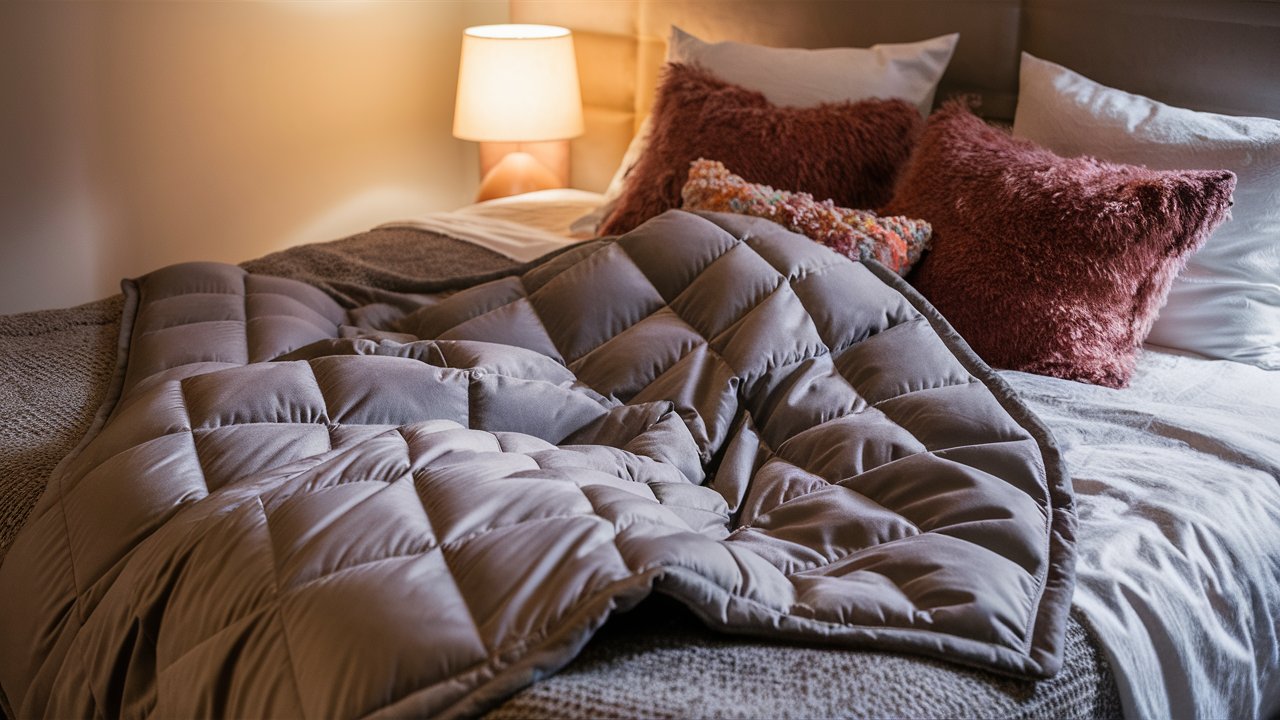
Weighted blankets have become one of the most popular wellness products in recent years, praised for their ability to promote relaxation, improve sleep quality, and reduce anxiety. These blankets, filled with glass beads or plastic pellets, provide gentle pressure that mimics the feeling of being hugged or held. This deep touch pressure stimulation has been shown to calm the nervous system, making weighted blankets a valuable tool for people struggling with insomnia, stress, or sensory issues. Understanding how weighted blankets work, their benefits, and how to choose the right one can help maximize their effectiveness and ensure a restful night’s sleep.
What Is a Weighted Blanket?
A weighted blanket is a specially designed blanket that contains evenly distributed weights, typically made from glass beads, steel shot beads, or plastic pellets. The added weight creates a gentle, consistent pressure across the body, which can help stimulate the production of serotonin and melatonin while reducing cortisol levels. This combination promotes relaxation and helps regulate sleep patterns. Weighted blankets come in various sizes, materials, and weight options, allowing users to select one that best suits their body weight and personal comfort preferences.
How Weighted Blankets Work
The science behind weighted blankets lies in a concept known as deep touch pressure (DTP). This type of pressure therapy has been used for decades in occupational therapy to help individuals with sensory processing disorders, autism, and anxiety. The gentle pressure from a weighted blanket activates the parasympathetic nervous system, which slows the heart rate and promotes a sense of calm. This physiological response can help reduce feelings of stress and anxiety, making it easier to fall asleep and stay asleep throughout the night. The result is a deeper, more restorative sleep that leaves the body and mind feeling refreshed.
Benefits of Using a Weighted Blanket
Weighted blankets offer a wide range of benefits that extend beyond improved sleep. One of the most notable advantages is their ability to reduce anxiety and stress. The calming pressure helps lower cortisol levels, which can ease tension and promote relaxation. Many users also report that weighted blankets help alleviate symptoms of insomnia by encouraging the body to produce more melatonin, the hormone responsible for regulating sleep cycles. Additionally, weighted blankets can be beneficial for individuals with conditions such as ADHD, autism spectrum disorder, and restless leg syndrome, as the consistent pressure can help reduce restlessness and improve focus. For those dealing with chronic pain or fibromyalgia, the soothing weight can also provide comfort and relief.
Choosing the Right Weighted Blanket
Selecting the right weighted blanket is essential for achieving the desired benefits. The general rule of thumb is to choose a blanket that weighs about 10% of the user’s body weight. For example, a person weighing 150 pounds should opt for a 15-pound blanket. However, personal preference also plays a role, as some individuals may prefer a slightly lighter or heavier option. The material of the blanket is another important factor to consider. Cotton and bamboo fabrics are breathable and ideal for warmer climates, while fleece or minky fabrics provide extra warmth and comfort during colder months. It’s also important to ensure that the blanket’s weight is evenly distributed to prevent discomfort or uneven pressure.

Weighted Blankets for Different Needs
Weighted blankets are not one-size-fits-all products. They can be tailored to meet specific needs and preferences. For children, lighter blankets designed with safety in mind can help improve sleep and reduce nighttime anxiety. Adults dealing with stress or insomnia may benefit from medium-weight blankets that provide a comforting, cocoon-like feeling. For individuals with sensory sensitivities, choosing a blanket with a soft, smooth texture can enhance comfort and reduce irritation. Some weighted blankets are even designed for couples, offering dual-zone weights to accommodate different preferences on each side of the bed.
Caring for a Weighted Blanket
Proper care and maintenance can extend the lifespan of a weighted blanket. Most weighted blankets come with removable covers that can be machine washed, making cleaning easier. The inner blanket, depending on its material and filling, may require spot cleaning or gentle hand washing. It’s important to follow the manufacturer’s care instructions to prevent damage to the weighted filling. Regularly airing out the blanket can also help maintain freshness and prevent odors. Storing the blanket in a cool, dry place when not in use will help preserve its quality and ensure long-term comfort.
Common Myths About Weighted Blankets
Despite their growing popularity, several misconceptions surround weighted blankets. One common myth is that they are too hot to use year-round. In reality, many weighted blankets are made with breathable materials that regulate temperature effectively. Another misconception is that weighted blankets are only for people with anxiety or sleep disorders. While they are beneficial for these conditions, anyone can enjoy the calming effects of a weighted blanket. Some also believe that heavier blankets are always better, but using a blanket that is too heavy can cause discomfort and restrict movement, making it important to choose the right weight for individual needs.
Conclusion
Weighted blankets have revolutionized the way people approach sleep and relaxation. By harnessing the power of deep touch pressure, these blankets provide a natural, non-invasive way to reduce stress, improve sleep quality, and promote overall well-being. Whether used for anxiety relief, better sleep, or simply as a cozy addition to a bedtime routine, a weighted blanket can make a significant difference in daily life. Choosing the right weight, material, and design ensures maximum comfort and effectiveness, turning bedtime into a truly restorative experience.
Frequently Asked Questions
1. What weight should a weighted blanket be?
A weighted blanket should typically be around 10% of the user’s body weight. For example, a 150-pound person should use a 15-pound blanket.
2. Can weighted blankets help with anxiety?
Yes, weighted blankets can help reduce anxiety by applying gentle pressure that promotes relaxation and lowers stress hormone levels.
3. Are weighted blankets safe for children?
Weighted blankets can be safe for children when used under supervision and when the weight is appropriate for their size. It’s best to consult a pediatrician before use.
4. Do weighted blankets make you hot?
Not necessarily. Many weighted blankets are made with breathable fabrics like cotton or bamboo, which help regulate temperature and prevent overheating.
5. How do you clean a weighted blanket?
Most weighted blankets have removable covers that can be machine washed. The inner blanket may require spot cleaning or hand washing, depending on the material and filling.
6. Can weighted blankets help with insomnia?
Yes, weighted blankets can improve sleep quality by promoting relaxation and increasing melatonin production, which helps regulate sleep cycles.
7. Are weighted blankets suitable for all seasons?
Weighted blankets made from breathable materials can be used year-round, while heavier, warmer fabrics are ideal for colder months.