
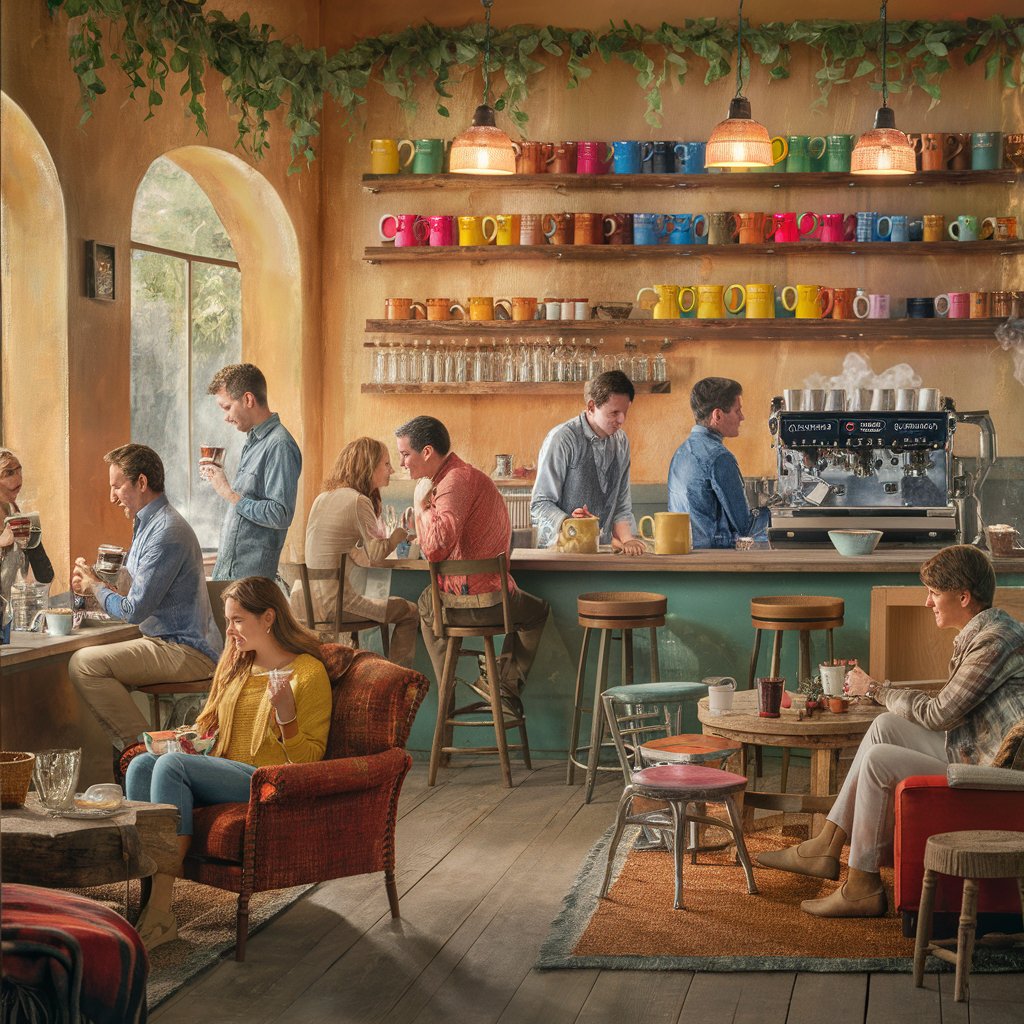
The concept of a coffee shop has evolved far beyond a simple place to grab a cup of coffee. Today, coffee shops are cultural hubs, creative spaces, and community gathering points that bring people together over the shared love of coffee. From cozy neighborhood cafés to modern specialty coffee bars, these establishments have become essential parts of urban and suburban life. Whether starting a new coffee business, exploring the best coffee shop ideas, or simply learning what makes a café successful, understanding the dynamics of the coffee shop industry is key. This article explores everything about coffee shops — from business strategies and design inspiration to customer experience and the future of coffee culture.
The Rise of the Modern Coffee Shop
Coffee shops have a long and rich history, dating back to the 15th century in the Middle East, where they served as meeting places for intellectuals and merchants. In modern times, coffee shops have become integral to daily life, offering not just beverages but also a sense of belonging. The rise of specialty coffee and third-wave cafés has transformed the industry, emphasizing quality, sustainability, and craftsmanship. Today’s coffee shops focus on ethically sourced beans, artisanal brewing methods, and personalized customer experiences. This evolution has turned coffee drinking into an art form and coffee shops into lifestyle destinations.
How to Start a Coffee Shop
Starting a coffee shop requires careful planning, creativity, and a deep understanding of the target market. The first step is developing a solid business plan that outlines the concept, budget, location, and marketing strategy. Choosing the right location is critical — areas with high foot traffic, such as downtown districts or near universities, tend to attract more customers. The next step involves designing a welcoming space that reflects the brand’s identity. Investing in high-quality coffee equipment, sourcing premium beans, and hiring skilled baristas are essential for delivering a consistent and memorable experience. Finally, effective marketing — both online and offline — helps build brand awareness and customer loyalty.
Coffee Shop Design and Ambiance
The design of a coffee shop plays a major role in attracting and retaining customers. A well-designed café should balance comfort, functionality, and aesthetics. Natural lighting, cozy seating, and warm color palettes create an inviting atmosphere that encourages customers to relax and stay longer. Many successful coffee shops incorporate local art, plants, and sustainable materials to enhance the ambiance. The layout should also support efficient workflow for baristas while providing a pleasant environment for guests. Music, aroma, and décor all contribute to the sensory experience that defines a great coffee shop.
Coffee Shop Menu and Signature Drinks
A coffee shop’s menu is its identity. While classic drinks like espresso, cappuccino, and latte remain staples, offering unique signature beverages can set a café apart. Specialty drinks such as cold brews, nitro coffee, and seasonal lattes attract adventurous customers. Non-coffee options like matcha, chai, and herbal teas cater to diverse tastes. Pairing beverages with pastries, sandwiches, and desserts enhances the overall experience and increases revenue. Many modern cafés also focus on health-conscious options, including plant-based milk, organic ingredients, and sugar-free alternatives. A well-curated menu reflects the brand’s creativity and commitment to quality.
Marketing Strategies for Coffee Shops
In today’s digital age, marketing plays a crucial role in the success of any coffee shop. Social media platforms like Instagram, TikTok, and Facebook are powerful tools for showcasing products, décor, and customer experiences. High-quality photos of latte art, cozy interiors, and happy customers can attract attention and build a loyal following. Offering loyalty programs, hosting community events, and collaborating with local artists or musicians can also strengthen brand presence. Additionally, optimizing a coffee shop’s website for local SEO ensures visibility when customers search for “coffee shops near me.” Consistent branding across all channels helps create a recognizable and trustworthy image.
The Role of Coffee Shops in the Community
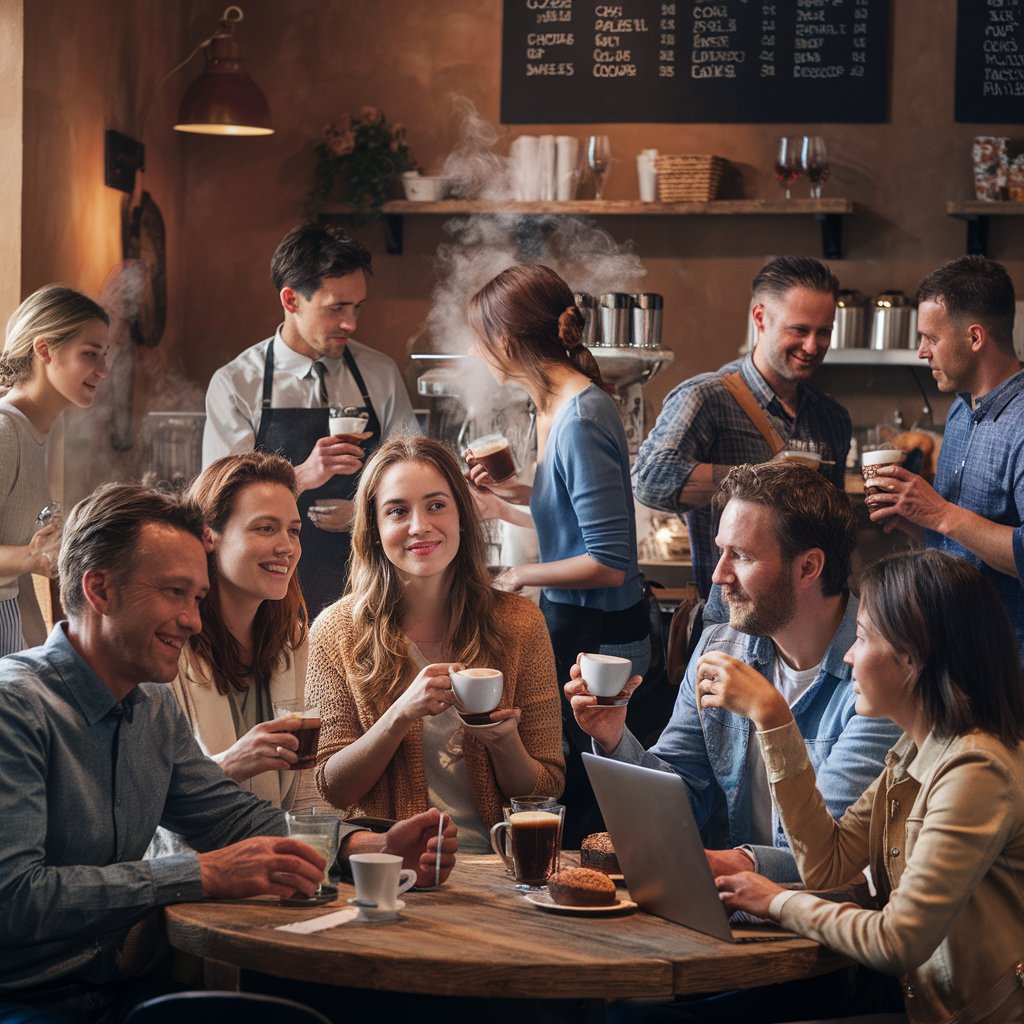
Beyond serving coffee, coffee shops play a vital role in fostering community connections. They serve as meeting places for friends, remote workers, students, and creatives. Many cafés host open mic nights, art exhibitions, and charity events, reinforcing their role as cultural and social hubs. The welcoming environment of a coffee shop encourages conversation, collaboration, and creativity. In an increasingly digital world, these spaces provide a sense of human connection and belonging that people crave.
Sustainability in Coffee Shops
Sustainability has become a defining factor in the modern coffee industry. Consumers are increasingly aware of environmental issues and prefer businesses that prioritize eco-friendly practices. Coffee shops can adopt sustainable measures such as using biodegradable cups, sourcing fair-trade coffee, and minimizing waste. Partnering with local roasters and farmers ensures transparency and supports ethical supply chains. Implementing recycling programs and encouraging customers to bring reusable cups also contribute to a greener operation. Sustainability not only benefits the planet but also enhances brand reputation and customer loyalty.
The Future of Coffee Shops
The future of coffee shops lies in innovation, personalization, and technology integration. Mobile ordering, contactless payments, and loyalty apps are becoming standard features that enhance convenience. The rise of remote work has also increased demand for cafés with comfortable seating, strong Wi-Fi, and quiet workspaces. Hybrid models that combine coffee service with co-working spaces or retail experiences are gaining popularity. As consumer preferences evolve, successful coffee shops will continue to adapt by offering unique experiences that blend quality, comfort, and community.
Conclusion
Coffee shops are more than just places to enjoy a cup of coffee — they are cultural landmarks that bring people together, inspire creativity, and support local communities. From crafting the perfect espresso to designing a welcoming space, every detail contributes to the magic of the coffee shop experience. Whether starting a new café or simply appreciating the artistry behind each brew, understanding the essence of coffee culture is essential. As the industry continues to grow and innovate, coffee shops will remain timeless symbols of connection, comfort, and creativity.
Frequently Asked Questions
1. How much does it cost to start a coffee shop?
The cost of starting a coffee shop varies depending on location, size, and concept. On average, it can range from $80,000 to $300,000, including equipment, rent, and initial inventory.
2. What are the most popular coffee shop drinks?
Popular drinks include espresso, cappuccino, latte, cold brew, and specialty beverages like caramel macchiato and mocha. Seasonal drinks also attract customers.
3. How can a coffee shop attract more customers?
Offering loyalty programs, hosting events, maintaining a strong social media presence, and providing excellent customer service are effective ways to attract and retain customers.
4. What makes a coffee shop successful?
A successful coffee shop combines high-quality coffee, a welcoming atmosphere, efficient service, and strong branding. Consistency and community engagement are also key factors.
5. How can coffee shops be more sustainable?
Coffee shops can adopt eco-friendly practices such as using recyclable materials, sourcing fair-trade coffee, reducing waste, and encouraging reusable cups.
6. What are current coffee shop trends?
Trends include plant-based milk options, specialty brewing methods, minimalist design, and technology-driven ordering systems.
7. Why are coffee shops important to communities?
Coffee shops provide social spaces where people can connect, work, and relax. They foster community engagement and support local culture and creativity.