
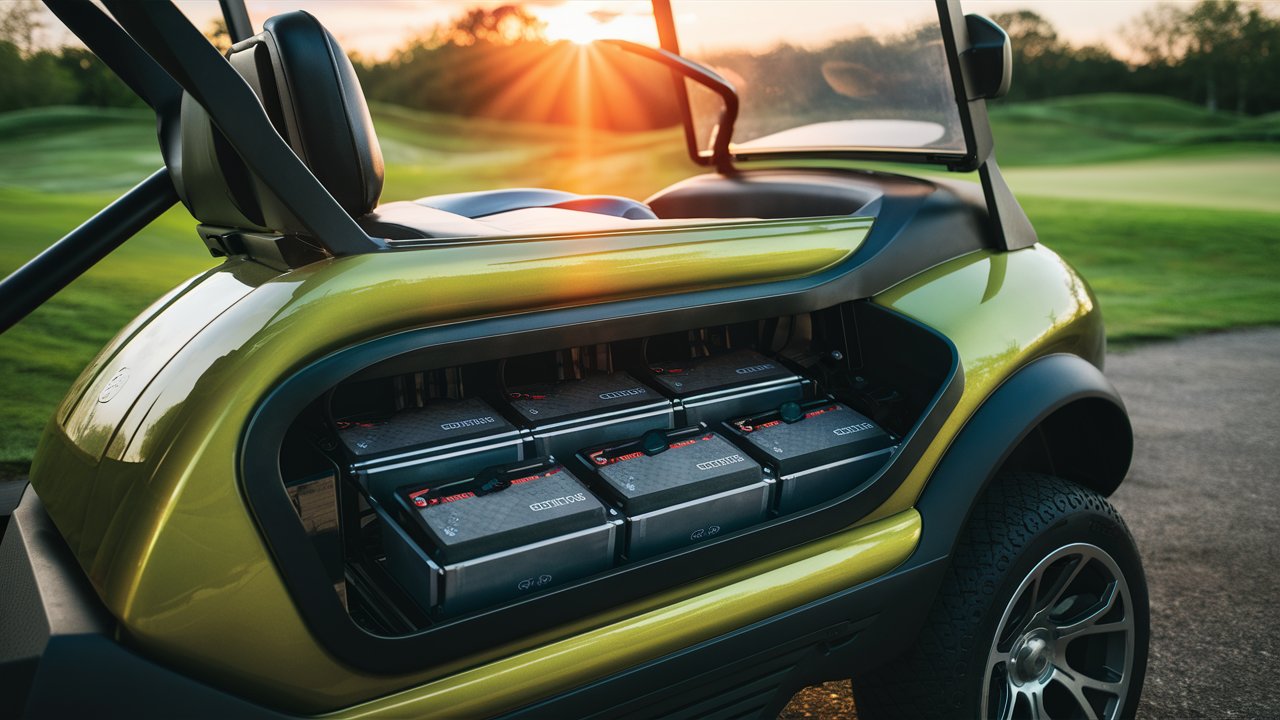
Golf cart batteries are the heart of any electric golf cart, providing the power needed to drive smoothly across courses, neighborhoods, and recreational areas. Choosing the right battery can significantly impact performance, longevity, and overall cost of ownership. With advancements in battery technology, golf cart owners now have more options than ever, including traditional lead-acid batteries and modern lithium-ion alternatives. Understanding the differences between these types, how to maintain them, and what factors to consider before purchasing can help ensure the best performance and value. This comprehensive guide explores the best golf cart batteries in 2026, their features, maintenance tips, and expert recommendations for maximizing battery life.
1. Types of Golf Cart Batteries
Golf cart batteries come in several types, each offering unique advantages and trade-offs. The most common are lead-acid, AGM (Absorbent Glass Mat), gel, and lithium-ion batteries. Lead-acid batteries are the traditional choice, known for their affordability and reliability. They require regular maintenance, including checking water levels and cleaning terminals. AGM and gel batteries are sealed versions of lead-acid technology, offering maintenance-free operation and better resistance to vibration. Lithium-ion golf cart batteries, on the other hand, represent the latest innovation, providing longer lifespan, faster charging, and lighter weight. Although they come with a higher upfront cost, their efficiency and durability make them a popular choice for modern golf carts.
2. Lead-Acid Golf Cart Batteries: Affordable and Reliable Power
Lead-acid golf cart batteries have been the industry standard for decades. They are cost-effective and widely available, making them a practical choice for most golf cart owners. These batteries operate by using a chemical reaction between lead plates and sulfuric acid to generate electricity. While they deliver consistent power, they require regular maintenance to prevent sulfation and ensure optimal performance. Proper watering, cleaning, and charging are essential to extend their lifespan. Lead-acid batteries typically last between three to five years, depending on usage and care. For users seeking a budget-friendly option with proven reliability, lead-acid batteries remain a solid choice.
3. Lithium-Ion Golf Cart Batteries: The Future of Electric Mobility
Lithium-ion golf cart batteries are rapidly becoming the preferred option for those seeking superior performance and longevity. These batteries are significantly lighter than lead-acid models, which improves acceleration, handling, and energy efficiency. They also charge faster and can last up to ten years with minimal maintenance. Unlike lead-acid batteries, lithium-ion models do not require watering or frequent cleaning, making them ideal for users who prefer a hassle-free experience. Additionally, they maintain consistent voltage throughout their discharge cycle, ensuring steady power delivery. Although the initial investment is higher, the long-term savings in maintenance and replacement costs make lithium-ion golf cart batteries a smart and sustainable choice.
4. AGM and Gel Golf Cart Batteries: Maintenance-Free Alternatives
AGM (Absorbent Glass Mat) and gel golf cart batteries are sealed lead-acid variants designed for convenience and durability. AGM batteries use fiberglass mats to hold the electrolyte, preventing leaks and allowing for vibration resistance. Gel batteries, on the other hand, use a silica-based gel to immobilize the electrolyte, offering excellent performance in extreme temperatures. Both types are maintenance-free, meaning there is no need to add water or clean terminals regularly. They are ideal for users who want the reliability of lead-acid technology without the upkeep. However, they tend to be more expensive than traditional flooded batteries and may not deliver the same deep-cycle capacity as lithium-ion options.
5. How to Maintain Golf Cart Batteries for Maximum Lifespan
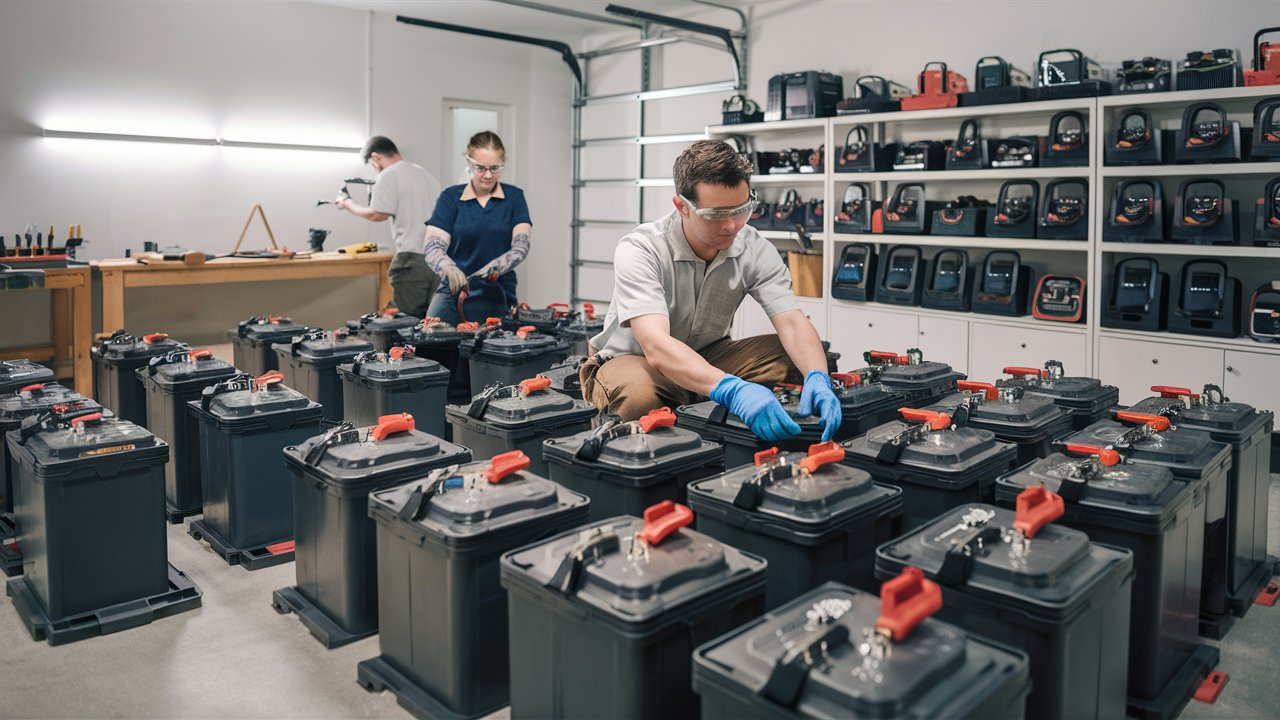
Proper maintenance is crucial for extending the life of golf cart batteries, especially lead-acid types. Regularly checking water levels, cleaning terminals, and ensuring proper charging habits can prevent premature wear. Batteries should be charged after every use to avoid deep discharges, which can damage the cells. It’s also important to store golf carts in a cool, dry place and disconnect the batteries during long periods of inactivity. Using a high-quality charger designed for the specific battery type can further enhance performance and longevity. For lithium-ion batteries, maintenance is minimal, but keeping them within recommended temperature ranges and avoiding overcharging ensures optimal results.
6. Choosing the Best Golf Cart Battery for 2026
Selecting the best golf cart battery depends on several factors, including budget, usage frequency, and performance expectations. For casual golfers or light users, lead-acid batteries offer a cost-effective solution. For those who use their golf carts daily or for extended distances, lithium-ion batteries provide unmatched efficiency and lifespan. AGM and gel batteries are excellent middle-ground options for users who want maintenance-free operation without the high cost of lithium technology. When purchasing, it’s essential to consider voltage compatibility, amp-hour rating, and brand reputation. Trusted brands like Trojan, Crown, and RELiON are known for producing high-quality golf cart batteries that deliver consistent performance and durability.
7. Environmental Impact and Recycling of Golf Cart Batteries
As sustainability becomes increasingly important, understanding the environmental impact of golf cart batteries is essential. Lead-acid batteries are highly recyclable, with most components being reused in new batteries. However, improper disposal can lead to environmental contamination. Lithium-ion batteries are also recyclable, though the process is more complex and less widespread. Choosing eco-friendly brands that prioritize responsible manufacturing and recycling programs can help reduce environmental harm. Many golf courses and dealers now offer battery recycling services, ensuring that old batteries are disposed of safely and sustainably.
Conclusion
Golf cart batteries play a vital role in determining the performance, reliability, and longevity of electric golf carts. With advancements in technology, users now have a wide range of options, from traditional lead-acid to cutting-edge lithium-ion batteries. Each type offers unique benefits, and the best choice depends on individual needs and budget. Proper maintenance, regular charging, and responsible recycling can significantly extend battery life and reduce environmental impact. As the demand for electric mobility continues to grow, investing in high-quality golf cart batteries ensures a smoother ride, better efficiency, and long-term savings.
Frequently Asked Questions (FAQ)
1. What is the best type of golf cart battery?
Lithium-ion batteries are considered the best due to their long lifespan, fast charging, and low maintenance, though lead-acid batteries remain a reliable and affordable option.
2. How long do golf cart batteries last?
Lead-acid batteries typically last 3–5 years, while lithium-ion batteries can last up to 10 years with proper care.
3. How often should golf cart batteries be charged?
Batteries should be charged after every use to prevent deep discharges and maintain optimal performance.
4. Can I replace lead-acid batteries with lithium-ion batteries?
Yes, many golf carts can be upgraded to lithium-ion batteries, but it’s important to ensure compatibility and use the correct charger.
5. What are the signs that golf cart batteries need replacement?
Common signs include reduced driving range, slow acceleration, longer charging times, and visible corrosion on terminals.
6. Are golf cart batteries recyclable?
Yes, both lead-acid and lithium-ion batteries are recyclable. Many dealers and recycling centers accept used batteries for proper disposal.
7. How can I extend the life of my golf cart batteries?
Regular charging, proper storage, cleaning terminals, and avoiding over-discharge are key practices for extending battery life.