
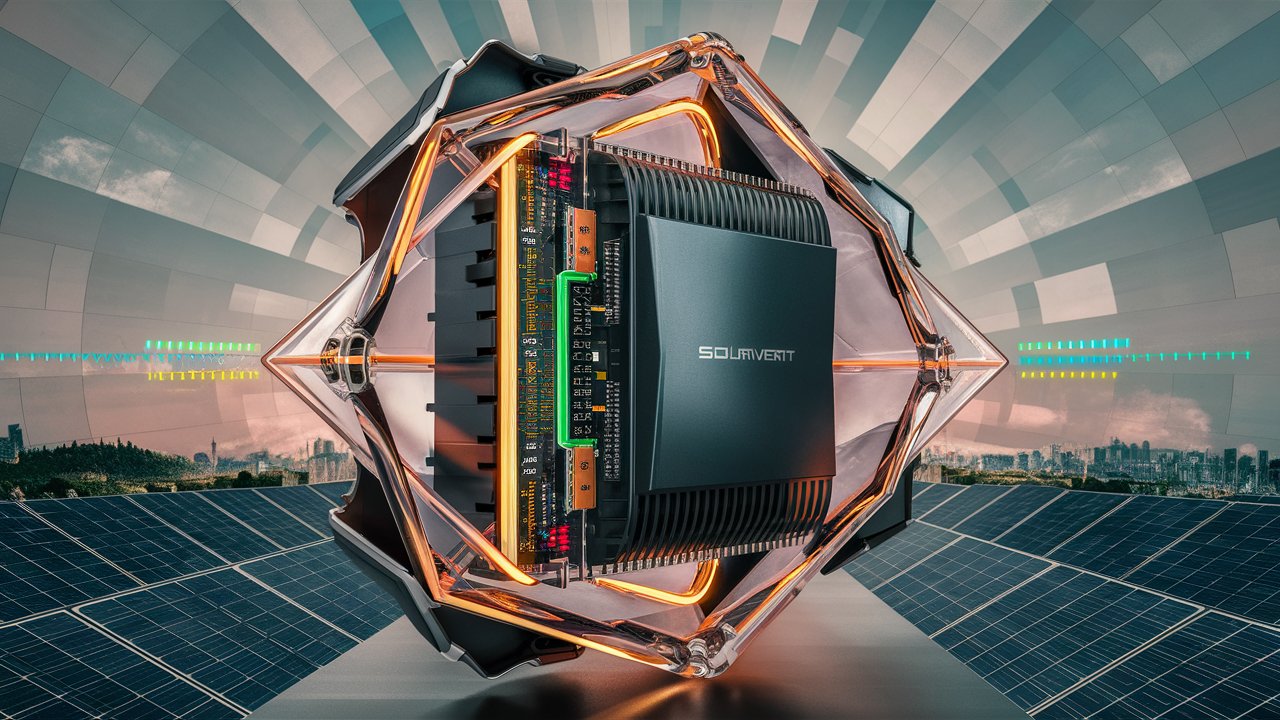
A solar inverter is one of the most essential components of any solar energy system. It serves as the brain of the setup, converting the direct current (DC) electricity generated by solar panels into alternating current (AC) electricity that can be used to power homes, businesses, and industries. As the world shifts toward renewable energy, understanding how solar inverters work, their types, and their benefits is crucial for anyone considering solar power installation. This article provides a comprehensive overview of solar inverters, their functions, advantages, and how to choose the right one for maximum energy efficiency and long-term savings.
What Is a Solar Inverter?
A solar inverter is an electronic device that converts the DC electricity produced by solar panels into AC electricity, which is the standard form of power used by most household appliances and the electrical grid. Without an inverter, the energy generated by solar panels would be unusable for everyday applications. In addition to conversion, modern solar inverters also perform several intelligent functions such as monitoring system performance, optimizing energy output, and ensuring safety by shutting down during faults or grid failures. Essentially, the inverter acts as the communication bridge between the solar panels, the battery storage system, and the electrical grid.
How Does a Solar Inverter Work?
The working principle of a solar inverter is based on power conversion. When sunlight hits the solar panels, it generates DC electricity. This DC power flows into the inverter, where it is converted into AC power through a process called pulse width modulation (PWM). The inverter continuously adjusts the voltage and current to match the grid’s frequency, ensuring smooth and stable power delivery. Advanced inverters also include Maximum Power Point Tracking (MPPT) technology, which optimizes the energy output by adjusting the electrical operating point of the modules. This ensures that the solar system operates at its highest efficiency, even under varying sunlight conditions.
Types of Solar Inverters
There are several types of solar inverters, each designed for specific applications and system configurations.
1. String Inverters
String inverters are the most common type used in residential and small commercial systems. In this setup, multiple solar panels are connected in series to form a “string,” and the inverter converts the combined DC power into AC. They are cost-effective and easy to install but may experience reduced efficiency if one panel in the string is shaded or underperforming.
2. Microinverters
Microinverters are installed on each individual solar panel, allowing them to operate independently. This design maximizes energy production, especially in systems where shading or panel orientation varies. Although microinverters are more expensive than string inverters, they offer superior performance monitoring and reliability.
3. Power Optimizers
Power optimizers are hybrid devices that combine the benefits of string inverters and microinverters. They are attached to each panel to condition the DC power before sending it to a central inverter. This setup improves efficiency and reduces the impact of shading while maintaining a lower cost than full microinverter systems.
4. Hybrid Inverters
Hybrid inverters, also known as battery-based inverters, can manage both solar panels and energy storage systems. They allow users to store excess energy in batteries for later use, providing backup power during outages. Hybrid inverters are ideal for homeowners seeking energy independence and long-term savings.
5. Central Inverters
Central inverters are large-scale devices used in commercial and utility-scale solar installations. They handle high power capacities and are designed for large arrays of solar panels. While they offer high efficiency, they require more space and maintenance compared to smaller inverter types.
Benefits of Using a Solar Inverter
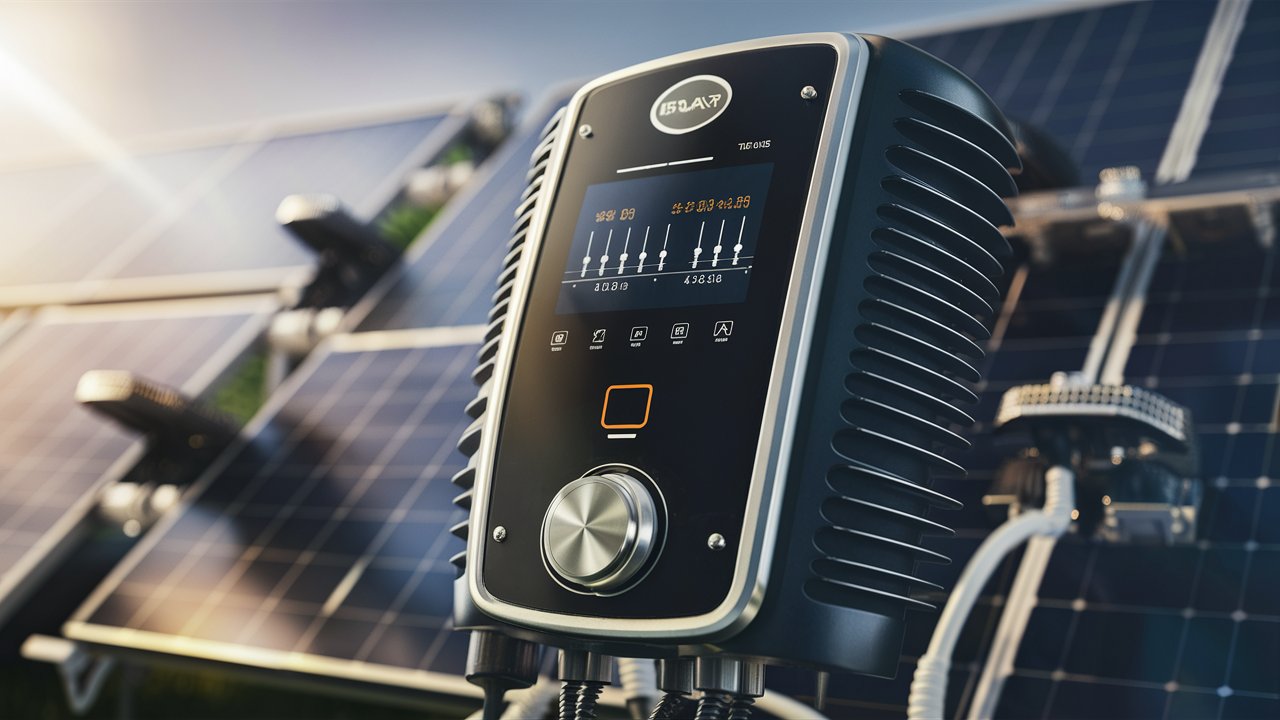
Solar inverters offer numerous benefits that make them indispensable in any solar energy system. They ensure efficient energy conversion, allowing users to maximize the electricity generated by their solar panels. Inverters also provide real-time monitoring, enabling users to track energy production and system performance through mobile apps or web portals. Additionally, they enhance safety by detecting faults, preventing electrical hazards, and automatically shutting down during grid failures. By improving energy efficiency and reducing dependency on fossil fuels, solar inverters contribute to lower electricity bills and a cleaner environment.
How to Choose the Right Solar Inverter
Selecting the right solar inverter depends on several factors, including system size, energy consumption, budget, and installation type. Homeowners should consider the inverter’s efficiency rating, warranty period, and compatibility with solar panels and batteries. For residential systems, string or hybrid inverters are often the best choices, while commercial setups may benefit from central inverters. It is also important to choose inverters from reputable brands that offer strong after-sales support and monitoring features. Consulting a certified solar installer can help ensure the inverter matches the system’s technical requirements and long-term goals.
Solar Inverter Maintenance and Troubleshooting
Regular maintenance is essential to keep a solar inverter operating efficiently. This includes cleaning dust and debris from vents, checking for loose connections, and monitoring performance data for irregularities. Most modern inverters have built-in diagnostic tools that alert users to potential issues. Common problems include overheating, grid faults, or reduced output due to shading or wiring issues. Addressing these problems promptly can prevent costly repairs and extend the inverter’s lifespan. Professional servicing every few years ensures optimal performance and safety.
The Future of Solar Inverters
The future of solar inverters is driven by innovation and smart technology. Next-generation inverters are integrating artificial intelligence (AI) and Internet of Things (IoT) capabilities to enhance energy management and predictive maintenance. Hybrid and bi-directional inverters are becoming more popular as energy storage systems gain traction. Additionally, advancements in semiconductor technology are improving inverter efficiency and reducing costs. As the global demand for renewable energy continues to rise, solar inverters will play a central role in enabling smarter, more sustainable power systems.
Conclusion
A solar inverter is the heart of any solar power system, ensuring that the energy harnessed from the sun is efficiently converted and utilized. Understanding its types, functions, and benefits helps homeowners and businesses make informed decisions when investing in solar energy. With continuous technological advancements, solar inverters are becoming more efficient, intelligent, and affordable, making solar power an increasingly viable solution for sustainable living. Choosing the right inverter not only maximizes energy output but also ensures long-term reliability and savings, paving the way for a cleaner and greener future.
Frequently Asked Questions
1. What is the main function of a solar inverter?
The main function of a solar inverter is to convert the DC electricity generated by solar panels into AC electricity that can be used by household appliances or fed into the grid.
2. Which type of solar inverter is best for home use?
For most homes, string inverters or hybrid inverters are ideal due to their balance of cost, efficiency, and ease of installation.
3. How long does a solar inverter last?
A high-quality solar inverter typically lasts between 10 to 15 years, depending on usage, maintenance, and environmental conditions.
4. Can a solar inverter work without batteries?
Yes, grid-tied solar inverters can operate without batteries, directly converting solar energy for immediate use or exporting it to the grid.
5. How do I know if my solar inverter is working properly?
Most inverters have display panels or mobile apps that show real-time performance data. A steady green light usually indicates normal operation, while red or flashing lights signal faults.
6. What is the difference between a hybrid inverter and a regular inverter?
A hybrid inverter can manage both solar panels and battery storage, allowing energy to be stored for later use, while a regular inverter only converts solar energy for immediate consumption.
7. How can I maintain my solar inverter?
Regularly clean the inverter’s exterior, ensure proper ventilation, check for error messages, and schedule professional inspections every few years to maintain optimal performance.
8. Are solar inverters necessary for all solar systems?
Yes, every solar power system requires an inverter to convert DC to AC power, making it usable for homes, businesses, and the electrical grid.