
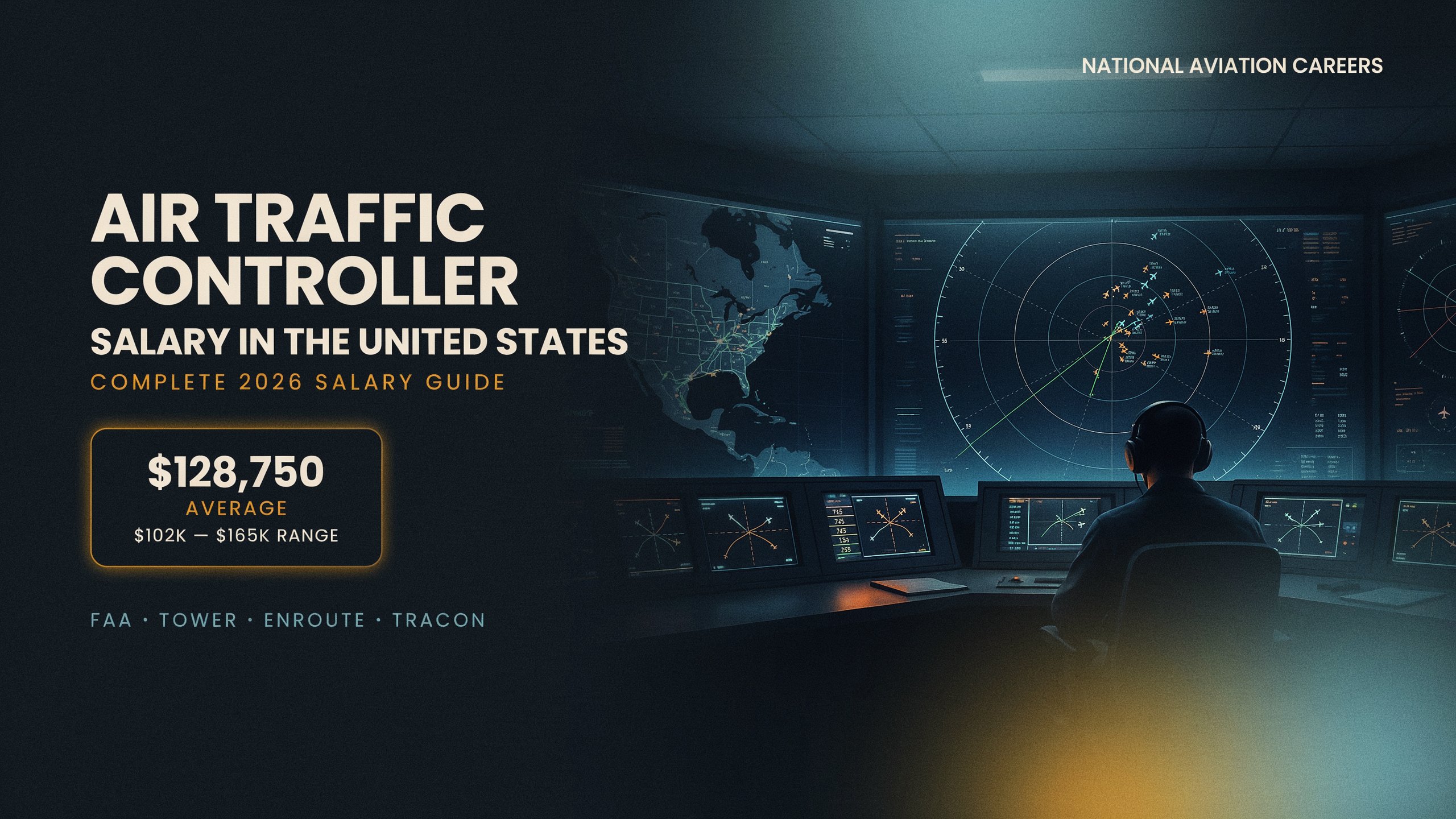
Air traffic controllers play one of the most important roles in the aviation industry, ensuring that aircraft take off, land, and travel safely through controlled airspace. Because the job requires exceptional concentration, quick decision-making, and specialized training, it is also one of the best-paying careers in transportation. If you’re considering this profession or simply researching earning potential, understanding the air traffic controller salary in the United States is essential. Salaries vary depending on experience, location, employer, certifications, overtime, and facility complexity. In this comprehensive guide, you’ll learn about average salaries, entry-level and senior pay, FAA compensation, employee benefits, career growth opportunities, factors that influence earnings, and frequently asked questions to help you understand what to expect from this rewarding aviation career.
Keywords Used in the Titles and Their Meaning
Air Traffic Controller Salary
This is the primary SEO keyword used by people searching for income information, average wages, and earning potential of air traffic controllers in the United States.
Air Traffic Controller Salary in the United States
A location-specific keyword targeting users looking for salary data within the U.S. aviation industry.
Average Air Traffic Controller Salary
This keyword focuses on national average earnings and compensation across different experience levels.
FAA Air Traffic Controller Salary
Targets individuals interested in salaries for controllers employed by the Federal Aviation Administration (FAA), the primary employer of civilian air traffic controllers in the U.S.
Air Traffic Controller Salary by State
Used by readers who want to compare pay based on geographic location and cost of living.
Air Traffic Controller Benefits
Targets users searching for additional compensation such as health insurance, retirement plans, paid leave, overtime, and federal employment benefits.
Air Traffic Controller Career Growth
Appeals to people researching promotions, long-term earning potential, and advancement opportunities.
Air Traffic Controller Job Outlook
Focuses on employment opportunities, future demand, and career stability within the aviation industry.
What Does an Air Traffic Controller Do?
Air traffic controllers coordinate the movement of aircraft on the ground and in the air to maintain safe distances between planes and ensure efficient traffic flow. They communicate continuously with pilots, monitor radar systems, provide weather updates, authorize takeoffs and landings, and respond quickly to changing conditions. Their work is critical to maintaining aviation safety and minimizing delays.
Controllers may work in airport control towers, terminal radar approach control facilities, or en route centers that manage aircraft traveling between airports. Because air travel operates around the clock, controllers often work rotating shifts, including nights, weekends, and holidays.
Average Air Traffic Controller Salary in the United States
Air traffic controllers are among the highest-paid professionals in transportation. Compensation typically increases with experience, certifications, facility assignment, and overtime opportunities. Entry-level employees generally earn less while completing training, whereas experienced controllers working at busy facilities can earn significantly higher annual incomes.
Typical salary progression:
- Entry-level: Approximately $50,000–$80,000 per year during training or early career.
- Mid-career: Around $90,000–$140,000 annually.
- Experienced/Senior: Often $150,000–$200,000+, especially with overtime and assignments at high-traffic facilities.
These ranges vary based on federal pay schedules, location, and workload.
Factors That Affect Air Traffic Controller Salary
Several factors influence how much an air traffic controller earns. Experience is one of the biggest contributors, as controllers receive salary increases with additional training and years of service. Geographic location also plays an important role because facilities handling more traffic or located in higher-cost areas often offer greater compensation.
Other important factors include:
- FAA facility level.
- Shift differentials for evenings and nights.
- Overtime opportunities.
- Specialized certifications.
- Locality pay adjustments.
- Performance and promotions.
- Years of federal service.
FAA Air Traffic Controller Salary
The Federal Aviation Administration (FAA) is the largest employer of civilian air traffic controllers in the United States. FAA employees receive competitive salaries along with comprehensive federal benefits. In addition to base pay, controllers may receive locality pay adjustments, overtime compensation, holiday pay, and premium pay for working evenings, weekends, or overnight shifts.
Career advancement within the FAA can significantly increase earning potential as controllers qualify for higher-level facilities or move into supervisory and management positions.
Air Traffic Controller Salary by Experience
Entry-Level Controllers
New hires typically spend considerable time in training before becoming fully certified. Although starting salaries are lower than those of experienced professionals, trainees still receive competitive pay while learning operational procedures.
Mid-Level Controllers
Controllers who have completed certification and gained several years of operational experience generally earn much higher salaries. Their expertise allows them to handle more complex airspace and heavier traffic volumes.
Senior Controllers
Experienced controllers assigned to major airports or high-level air traffic facilities often receive some of the highest salaries in the profession. Overtime and premium pay can substantially increase annual earnings.
Air Traffic Controller Salary by State
Salary differences exist across states because of varying cost-of-living adjustments, facility sizes, and air traffic volumes. Controllers working near major metropolitan airports or busy aviation hubs often receive higher compensation than those assigned to smaller regional facilities.
States with major commercial aviation activity frequently provide some of the strongest earning opportunities due to increased operational complexity and staffing needs.
Employee Benefits
One of the biggest advantages of becoming an FAA air traffic controller is the comprehensive federal benefits package. Employees typically receive:
- Health insurance.
- Dental and vision coverage.
- Retirement plans.
- Paid vacation.
- Paid sick leave.
- Federal holidays.
- Life insurance.
- Overtime pay.
- Shift differential pay.
- Continuing professional training.
These benefits significantly increase the overall value of total compensation beyond base salary.
Education and Training Requirements
Most FAA air traffic controllers must meet age and qualification requirements, pass aptitude assessments, complete specialized training, undergo medical examinations, and satisfy background investigation requirements. Successful candidates receive extensive training before working independently in operational environments.
Strong communication skills, situational awareness, stress management, and rapid decision-making abilities are essential for long-term success.
Job Outlook
Air travel continues to play a critical role in the U.S. economy, creating ongoing demand for qualified air traffic controllers. As experienced professionals retire, new opportunities become available for trained candidates. Technological improvements are changing how controllers work, but skilled professionals remain essential for ensuring aviation safety and efficient traffic management.
Applicants who meet FAA hiring requirements and successfully complete training can look forward to stable employment and competitive long-term earning potential.
How to Increase Your Salary
Controllers can improve their earning potential by gaining experience, qualifying for higher-level facilities, accepting overtime opportunities, pursuing supervisory roles, maintaining excellent performance records, and remaining current with required certifications and operational training. Career progression within the FAA often results in significant salary increases over time.
Is Air Traffic Control a Good Career?
For individuals who enjoy responsibility, problem-solving, and fast-paced environments, air traffic control offers an attractive combination of competitive pay, strong benefits, career stability, and opportunities for advancement. Although the work can be demanding and requires intense concentration, many professionals find the career rewarding due to its importance in maintaining aviation safety.
Conclusion
An air traffic controller salary in the United States ranks among the highest in the transportation sector, reflecting the responsibility, specialized training, and expertise required for the role. From competitive entry-level pay to six-figure earning potential for experienced professionals, the career offers excellent financial rewards alongside comprehensive federal benefits, retirement plans, and long-term job stability. Salary levels vary based on experience, location, FAA facility assignment, and overtime opportunities, making career progression an important factor in overall earnings. If you’re interested in aviation and can thrive in a high-pressure environment, becoming an air traffic controller can provide a fulfilling and financially rewarding career with excellent prospects for growth.
Frequently Asked Questions (FAQ)
1. What is the average air traffic controller salary in the United States?
Most experienced air traffic controllers earn well into six figures, although salaries vary depending on experience, location, and FAA facility assignment.
2. Do FAA air traffic controllers receive overtime pay?
Yes. Many FAA controllers receive overtime compensation, shift differentials, holiday pay, and other premium payments depending on their schedules.
3. Which factors affect an air traffic controller’s salary?
Experience, facility level, geographic location, certifications, overtime, promotions, and locality pay adjustments all influence earnings.
4. Is air traffic control a high-paying career?
Yes. Air traffic control is widely considered one of the highest-paying careers in the transportation and aviation industries.
5. Do air traffic controllers receive federal benefits?
FAA employees generally receive comprehensive benefits, including health insurance, retirement plans, paid leave, and life insurance.
6. How long does it take to become an air traffic controller?
The timeline varies depending on hiring, training, and certification requirements, but candidates typically complete extensive training before becoming fully certified.
7. Can air traffic controllers earn more than $150,000 per year?
Yes. Experienced controllers working at busy facilities with overtime opportunities can earn well above $150,000 annually.
8. Is there strong job demand for air traffic controllers?
The profession continues to offer solid career opportunities as the aviation industry requires skilled professionals to manage safe and efficient air traffic operations, particularly as experienced controllers retire.