
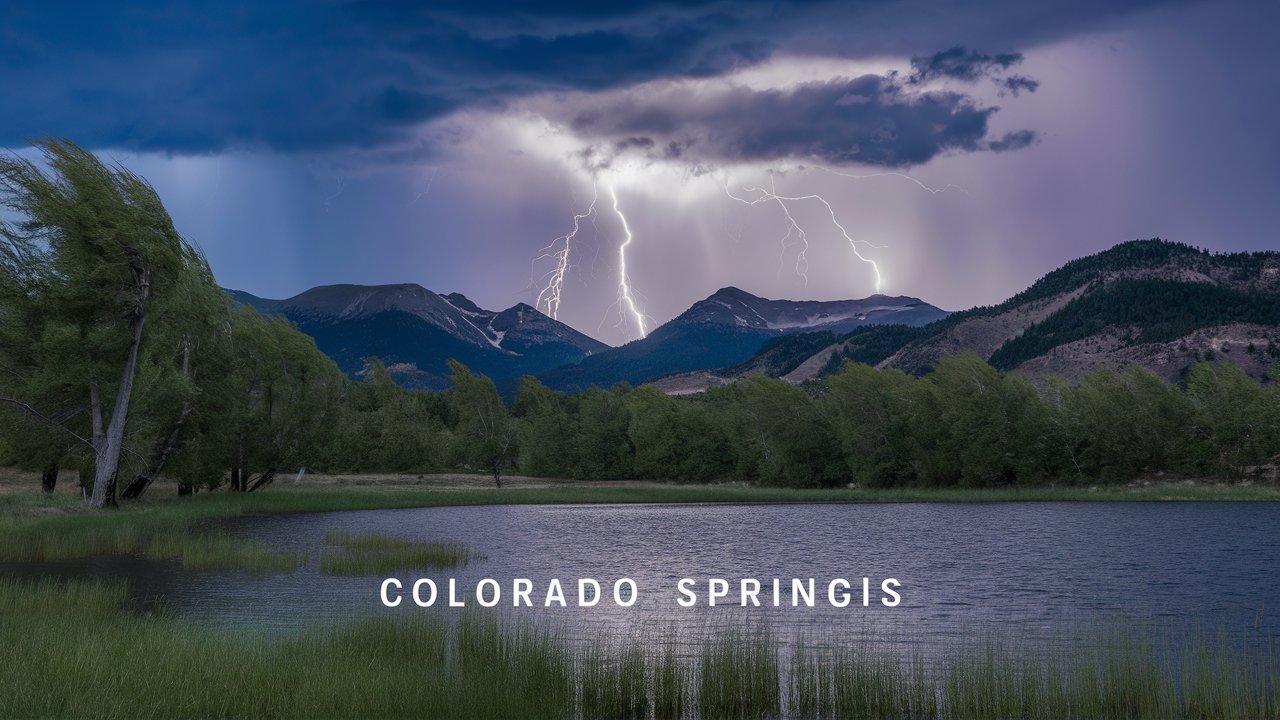
Colorado Springs, located at the base of the majestic Rocky Mountains, is known for its breathtaking scenery, outdoor adventures, and diverse weather patterns. The city’s elevation of over 6,000 feet above sea level gives it a unique climate that combines elements of both mountain and high plains weather. Understanding Colorado Springs weather is essential for residents, travelers, and anyone planning outdoor activities in this beautiful region. From sunny summer days to snowy winter peaks, the weather in Colorado Springs offers something for everyone throughout the year.
1. Overview of Colorado Springs Weather
Colorado Springs experiences a semi-arid climate, characterized by low humidity, abundant sunshine, and moderate precipitation. The city enjoys over 300 days of sunshine annually, making it one of the sunniest places in the United States. However, the weather can change rapidly due to its proximity to the mountains. A sunny morning can quickly turn into an afternoon thunderstorm, especially during the summer months. The average annual temperature hovers around 50°F (10°C), but the wide range between day and night temperatures is a hallmark of the region’s climate.
2. Colorado Springs Weather by Season
Spring (March to May)
Spring in Colorado Springs is a time of transition. Temperatures gradually rise from the chilly winter months, with daytime highs ranging from the 40s to the 70s°F. Snowfall is still possible in early spring, but by late April, the city begins to bloom with wildflowers and green landscapes. Spring weather can be unpredictable, with occasional snowstorms followed by warm, sunny days.
Summer (June to August)
Summers in Colorado Springs are warm and pleasant, with average highs in the 80s°F. The low humidity makes the heat comfortable, and cool mountain breezes provide relief in the evenings. However, afternoon thunderstorms are common, often bringing brief but intense rain showers and lightning. This is also the best time for hiking, biking, and exploring attractions like Garden of the Gods and Pikes Peak.
Autumn (September to November)
Fall is one of the most beautiful times to experience Colorado Springs weather. The temperatures are mild, ranging from the 50s to 70s°F, and the aspen trees turn brilliant shades of gold and orange. The air becomes crisp, and the skies remain clear, making it ideal for outdoor photography and sightseeing. Rainfall decreases, and the first snowflakes may appear by late November.
Winter (December to February)
Winters in Colorado Springs are cold but not extreme compared to other mountain towns. Average highs stay in the 40s°F, while nighttime lows can dip below freezing. Snowfall is moderate, averaging around 40 inches per year, but the city often enjoys sunny days between snowstorms. The nearby mountains offer excellent skiing and snowboarding opportunities, while the city itself remains accessible and scenic.
3. How Altitude Affects Colorado Springs Weather
The high elevation of Colorado Springs significantly influences its weather patterns. The thinner atmosphere means less oxygen and lower air pressure, which can make temperatures feel cooler than they actually are. Visitors may also experience mild altitude sickness until they acclimate. The altitude also contributes to the city’s strong UV radiation levels, so sunscreen and hydration are essential year-round. Additionally, the elevation causes rapid weather changes, making it important to check forecasts frequently when planning outdoor activities.
4. Best Time to Visit Colorado Springs
The best time to visit Colorado Springs depends on personal preferences and planned activities. For those who enjoy warm weather and outdoor adventures, summer is ideal. Spring and fall offer mild temperatures and fewer crowds, perfect for sightseeing and hiking. Winter attracts visitors who love snow sports and festive holiday events. Each season provides a unique experience, but overall, late spring and early fall are considered the most comfortable times to explore the city.
5. Tips for Dealing with Colorado Springs Weather
- Dress in layers: The temperature can vary greatly between morning and evening.
- Stay hydrated: The dry air and high altitude can cause dehydration quickly.
- Use sunscreen: The sun’s rays are stronger at higher elevations.
- Check forecasts: Weather can change rapidly, especially in the mountains.
- Prepare for altitude: Take it easy during the first day to adjust to the elevati
6. Climate Trends and Environmental Factors
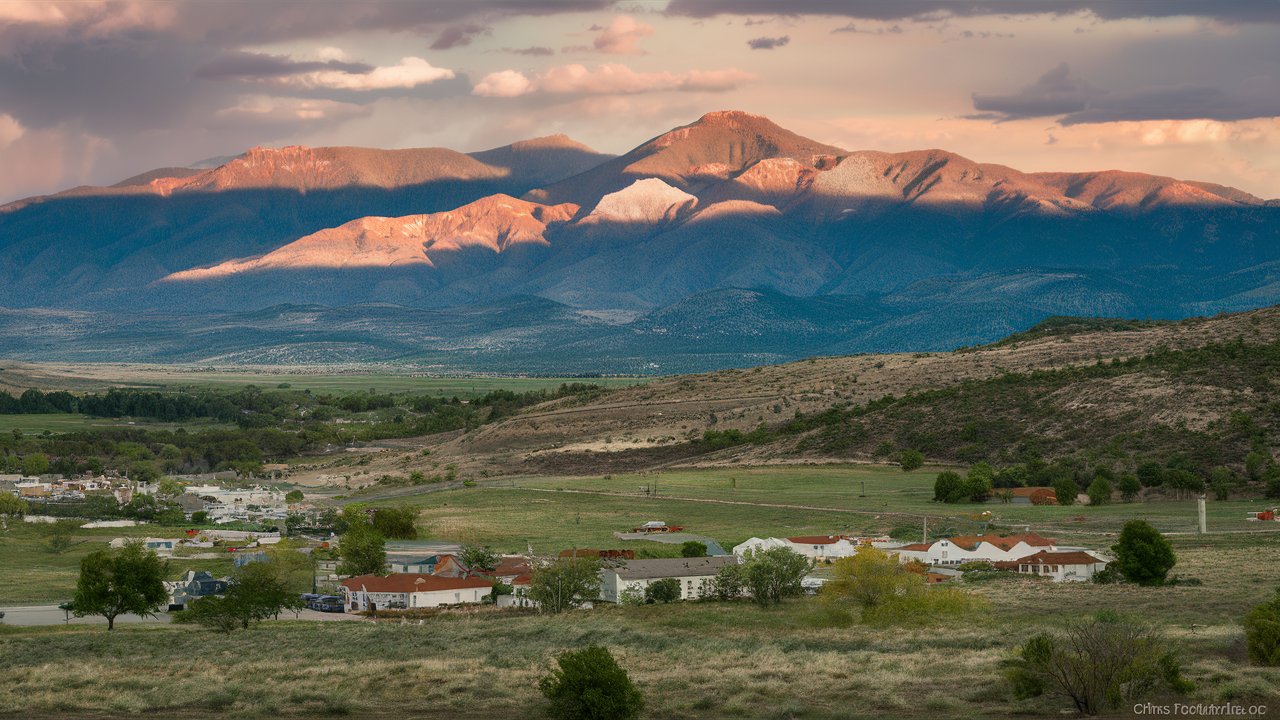
In recent years, Colorado Springs has experienced slight shifts in its weather patterns due to climate change. Warmer summers, reduced snowfall, and more frequent droughts have been observed. However, the city continues to maintain its reputation for clean air and abundant sunshine. Local initiatives focus on water conservation and sustainable practices to preserve the natural beauty of the region.
Conclusion
Colorado Springs weather is as dynamic and captivating as the landscape itself. With its mix of sunshine, mountain breezes, and seasonal variety, the city offers an ever-changing environment that appeals to nature lovers and adventure seekers alike. Whether visiting for a weekend getaway or planning to move permanently, understanding the local climate helps make the most of everything this stunning destination has to offer.
Frequently Asked Questions (FAQ)
1. What is the coldest month in Colorado Springs?
January is typically the coldest month, with average lows around 17°F and highs near 40°F.
2. Does it snow a lot in Colorado Springs?
The city receives about 40 inches of snow annually, but it often melts quickly due to abundant sunshine.
3. What is the warmest month in Colorado Springs?
July is the warmest month, with average highs in the mid-80s°F and occasional afternoon thunderstorms.
4. How many sunny days does Colorado Springs have?
Colorado Springs enjoys over 300 sunny days each year, making it one of the sunniest cities in the U.S.
5. Is Colorado Springs weather good for outdoor activities?
Yes, the mild climate and low humidity make it perfect for hiking, biking, and exploring year-round.
6. How does altitude affect visitors?
The high elevation can cause shortness of breath or mild headaches for newcomers, but most people adjust within a day or two.
7. When is the best time to visit Colorado Springs?
Late spring (May to June) and early fall (September to October) offer the most comfortable weather and fewer crowds.