
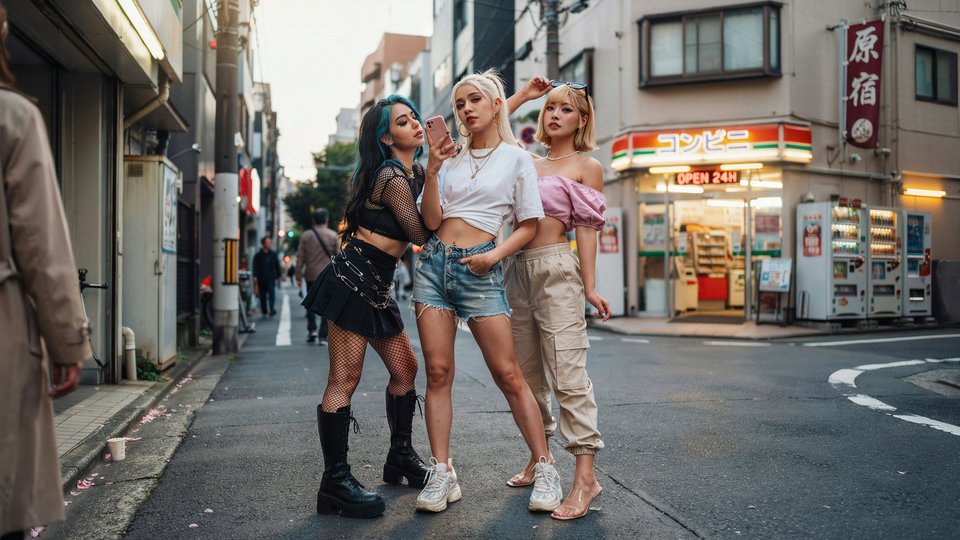
Gyaru fashion is one of Japan’s most iconic and rebellious subcultures, known for its daring aesthetics, glamorous attitude, and unapologetic individuality. Emerging in the 1990s, this fashion movement became a symbol of youth rebellion against traditional Japanese beauty ideals. Characterized by tanned skin, voluminous hair, dramatic makeup, and flashy clothing, gyaru fashion continues to influence global street style and inspire new generations of fashion enthusiasts. This article explores the origins, evolution, and modern interpretations of gyaru fashion, while also providing insights into its cultural significance and lasting impact on the fashion world.
The Origins of Gyaru Fashion
Gyaru fashion originated in Japan during the early 1990s as a youth-driven rebellion against the country’s conservative beauty ideals. The term “gyaru” is derived from the English word “gal,” symbolizing a carefree, confident, and glamorous young woman. At a time when pale skin, natural makeup, and modest clothing were considered the norm, gyaru girls embraced tanned skin, bleached hair, and bold fashion choices. The movement began in Tokyo’s Shibuya district, where young women gathered to express their individuality through fashion, makeup, and attitude.
Key Elements of Gyaru Fashion
Gyaru fashion is defined by its distinctive and exaggerated style. The makeup typically includes heavy eyeliner, false eyelashes, circle lenses, and contouring to create a doll-like appearance. Hair is often dyed blonde or light brown and styled in voluminous curls or teased waves. Clothing choices range from glamorous dresses and platform heels to denim skirts, crop tops, and accessories adorned with rhinestones and lace. The overall look is bold, confident, and unapologetically feminine.
Substyles of Gyaru Fashion
Over the years, gyaru fashion has evolved into several substyles, each with its own unique aesthetic. Kogyaru focuses on a schoolgirl-inspired look with short skirts, loose socks, and dyed hair. Onee-gyaru represents a more mature and elegant version of the style, featuring sophisticated makeup and designer clothing. Hime-gyaru, or “princess gyaru,” embraces a luxurious and ultra-feminine aesthetic with pastel colors, frilly dresses, and tiaras. Ganguro and Yamanba are among the most extreme versions, characterized by deep tans, white makeup accents, and neon-colored clothing. These substyles showcase the diversity and creativity within the gyaru community.
The Cultural Impact of Gyaru Fashion
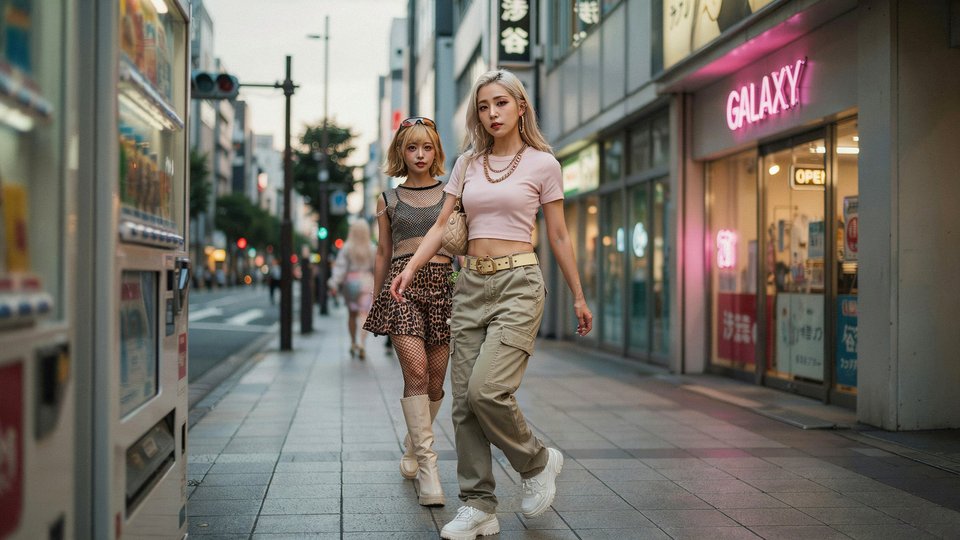
Gyaru fashion was more than just a style—it was a statement of independence and self-expression. It challenged Japan’s rigid beauty norms and gave young women the freedom to define their own identities. The gyaru movement also created a sense of community, with magazines like Egg and Popteen serving as platforms for gyaru models and influencers. Through these publications, gyaru culture spread across Japan and eventually gained international attention. The movement’s emphasis on confidence, individuality, and empowerment continues to resonate with fashion lovers worldwide
 .
.
Modern Gyaru Fashion in 2026
While the gyaru scene has evolved over the years, its influence remains strong in 2026. Modern gyaru fashion blends traditional elements with contemporary trends, creating a more refined yet still bold aesthetic. Social media platforms like Instagram, TikTok, and YouTube have played a major role in reviving interest in gyaru culture, with influencers showcasing updated versions of the classic look. Today’s gyaru enthusiasts often mix vintage pieces with modern streetwear, maintaining the spirit of rebellion while adapting to current fashion sensibilities.
How to Achieve the Gyaru Look
To embrace gyaru fashion, start with the signature makeup—focus on dramatic eyes, long lashes, and a flawless complexion. Choose hairstyles that add volume and texture, such as curls or layered cuts. Clothing should reflect confidence and glamour, incorporating bright colors, bold prints, and statement accessories. The key to mastering gyaru fashion lies in attitude—confidence, playfulness, and individuality are essential.
The Global Influence of Gyaru Fashion
Gyaru fashion has transcended Japanese borders, inspiring designers, makeup artists, and influencers around the world. Elements of gyaru style can be seen in Western streetwear, K-pop aesthetics, and global beauty trends. The movement’s emphasis on self-expression and body positivity aligns with modern fashion values, making it a timeless source of inspiration.
Conclusion
Gyaru fashion remains one of the most influential and empowering movements in Japanese street style history. Its bold aesthetics, fearless attitude, and celebration of individuality continue to inspire new generations of fashion enthusiasts. From its rebellious beginnings in Shibuya to its global presence today, gyaru fashion stands as a testament to the power of self-expression and the beauty of breaking boundaries.
Frequented Asked Questions
What does “gyaru” mean?
“Gyaru” comes from the English word “gal” and represents a confident, stylish young woman who embraces individuality and glamour.
When did gyaru fashion start?
Gyaru fashion began in the early 1990s in Tokyo’s Shibuya district as a youth rebellion against traditional Japanese beauty standards.
What are the main types of gyaru fashion?
Popular substyles include Kogyaru, Onee-gyaru, Hime-gyaru, Ganguro, and Yamanba, each with distinct aesthetics and influences.
Is gyaru fashion still popular today?
Yes, gyaru fashion has evolved and remains popular, especially on social media platforms where modern interpretations continue to thrive.
How can someone start dressing in gyaru style?
Begin with bold makeup, voluminous hair, and confident clothing choices that reflect individuality and glamour. Accessories and attitude complete the look.