
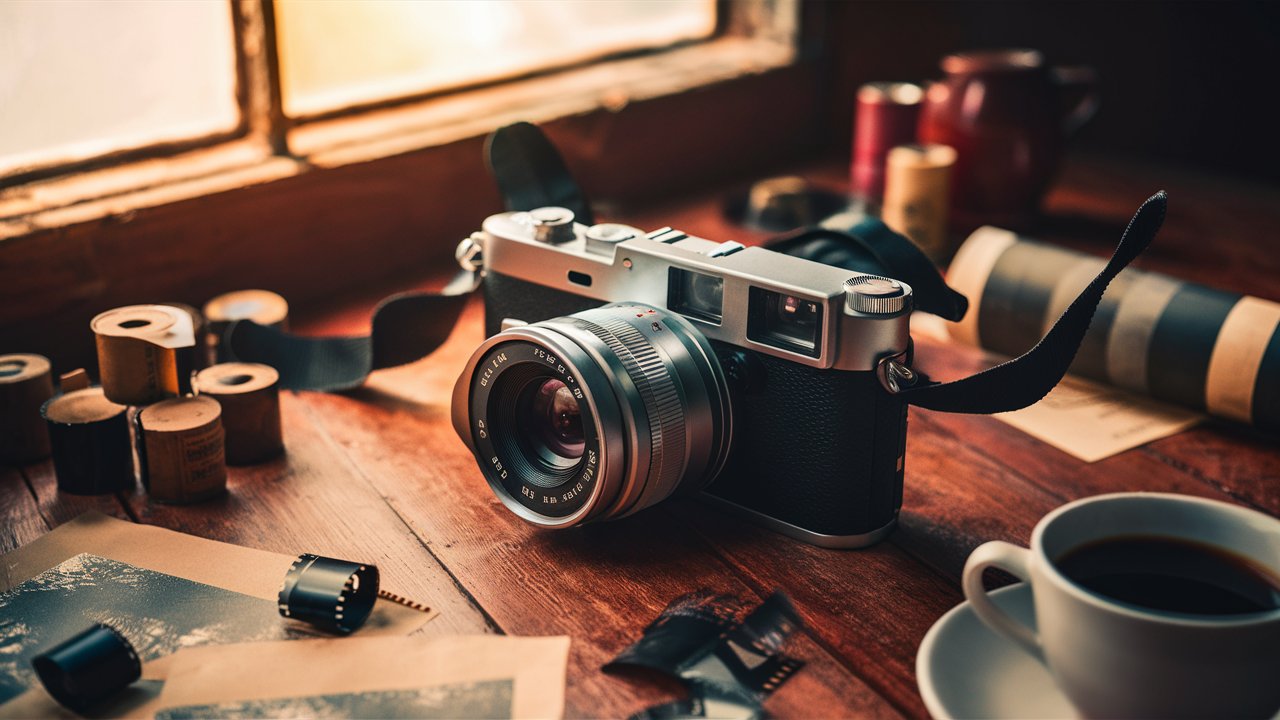
The vintage digital camera has become a fascinating topic for photography enthusiasts and collectors alike. In an era dominated by high-resolution smartphones and mirrorless cameras, the charm of early digital cameras continues to captivate those who appreciate the origins of digital photography. These cameras, once revolutionary, now represent a nostalgic bridge between film and modern technology. They offer a unique aesthetic, both in design and image quality, that modern devices often fail to replicate. Understanding the history, features, and appeal of vintage digital cameras provides insight into how digital photography evolved and why these devices are making a comeback among creative photographers and collectors.
What is a Vintage Digital Camera?
A vintage digital camera refers to early models of digital cameras produced primarily between the late 1990s and early 2000s. These cameras marked the transition from film to digital photography, offering photographers the ability to capture, view, and store images electronically for the first time. Unlike modern cameras with advanced sensors and editing capabilities, vintage digital cameras often featured lower megapixel counts, limited storage, and simple user interfaces. However, their distinctive image quality—characterized by soft tones, muted colors, and subtle grain—has become highly sought after in recent years. Many photographers now use vintage digital cameras to achieve a nostalgic, retro aesthetic that feels authentic and timeless.
The History and Evolution of Vintage Digital Cameras
The history of vintage digital cameras begins in the early 1990s when companies like Kodak, Sony, and Canon introduced the first consumer digital models. These early devices were groundbreaking, allowing users to capture images without film for the first time. The Kodak DC40, released in 1995, and the Sony Mavica series were among the pioneers that shaped the digital photography landscape. As technology advanced, digital cameras became more compact, affordable, and user-friendly. By the early 2000s, models like the Canon PowerShot and Nikon Coolpix gained popularity for their portability and ease of use. Although these cameras were eventually overshadowed by smartphones and DSLRs, they remain significant milestones in the evolution of photography. Today, collectors and photographers value these vintage digital cameras for their historical importance and distinctive visual output.
Why Vintage Digital Cameras Are Making a Comeback
The resurgence of interest in vintage digital cameras can be attributed to several factors. First, the unique image quality produced by these cameras offers a refreshing alternative to the hyper-sharp, high-definition photos of modern devices. The slightly imperfect, nostalgic look of vintage digital photos evokes the charm of early internet photography and 2000s aesthetics. Second, the simplicity of these cameras encourages creativity by limiting options and focusing on composition rather than technical perfection. Additionally, the growing trend of digital minimalism has inspired many photographers to embrace older technology as a way to slow down and reconnect with the art of photography. Social media platforms have also played a role, with communities dedicated to sharing images captured on vintage digital cameras, further fueling their popularity.
Popular Vintage Digital Camera Models
Several vintage digital camera models have gained cult status among collectors and photographers. The Sony Cyber-shot DSC-P1, released in 2000, is known for its compact design and warm color tones. The Canon PowerShot G2 remains a favorite for its robust build and excellent image quality for its time. The Nikon Coolpix 990 is another iconic model, featuring a swivel body design that allowed for creative shooting angles. The Fujifilm FinePix 4700 Zoom is celebrated for its distinctive Super CCD sensor, which produced images with a film-like texture. Each of these cameras represents a different era of innovation and design philosophy, making them valuable not only as collectibles but also as functional tools for modern photographers seeking a retro aesthetic.
The Aesthetic Appeal of Vintage Digital Photography
The aesthetic appeal of vintage digital photography lies in its imperfections. Unlike modern cameras that strive for flawless clarity, vintage digital cameras produce images with unique color palettes, soft focus, and subtle noise that evoke a sense of nostalgia. The limited dynamic range and lower resolution often result in photos that feel more organic and emotionally resonant. Many photographers intentionally use these cameras to capture candid moments, street scenes, and portraits that convey authenticity. The visual style of vintage digital photography has even influenced modern editing trends, with filters and presets designed to mimic the look of early digital images. This renewed appreciation for imperfection highlights a growing desire for authenticity in an age of digital perfection.
Collecting and Maintaining Vintage Digital Cameras
Collecting vintage digital cameras has become a rewarding hobby for photography enthusiasts and technology lovers. These cameras can often be found in thrift stores, online marketplaces, and photography forums. When collecting, it is important to check for functionality, battery compatibility, and memory card availability, as many older models use outdated formats. Maintaining a vintage digital camera requires careful handling, proper storage, and occasional cleaning of lenses and sensors. Some collectors also enjoy restoring old cameras to working condition, preserving a piece of photographic history. Beyond their functional use, vintage digital cameras serve as conversation pieces and nostalgic reminders of how far technology has come.
How to Use a Vintage Digital Camera Today
Using a vintage digital camera today can be both fun and creatively inspiring. Most models are simple to operate, with basic settings for exposure, white balance, and flash. Modern memory card adapters can often be used to make file transfers easier. Photographers can experiment with different lighting conditions and subjects to explore the unique characteristics of each camera. The slower shooting process encourages mindfulness and intentionality, allowing photographers to focus on composition and storytelling. Sharing images captured with vintage digital cameras on social media platforms has also become a trend, with hashtags dedicated to showcasing the distinctive charm of early digital photography.
Conclusion
The vintage digital camera represents more than just outdated technology—it embodies a pivotal moment in the history of photography. These early digital devices bridged the gap between film and the digital age, paving the way for the cameras used today. Their distinctive image quality, nostalgic design, and creative limitations continue to inspire photographers who seek authenticity and artistic expression. As interest in retro aesthetics grows, vintage digital cameras are being rediscovered as valuable tools for both artistic exploration and historical appreciation. Whether collected for nostalgia or used for creative projects, these cameras remind us that beauty often lies in imperfection and that innovation always begins with curiosity.
Frequently Asked Questions (FAQ)
1. What qualifies as a vintage digital camera?
A vintage digital camera typically refers to models produced between the mid-1990s and early 2000s, representing the first generation of consumer digital cameras.
2. Why are vintage digital cameras popular again?
They are popular for their nostalgic image quality, unique color tones, and the creative challenge they offer compared to modern cameras.
3. Can vintage digital cameras still be used today?
Yes, many vintage digital cameras still function well. With the right batteries and memory cards, they can be used to capture distinctive retro-style photos.
4. Where can vintage digital cameras be found?
They can often be found in thrift stores, online marketplaces, photography