
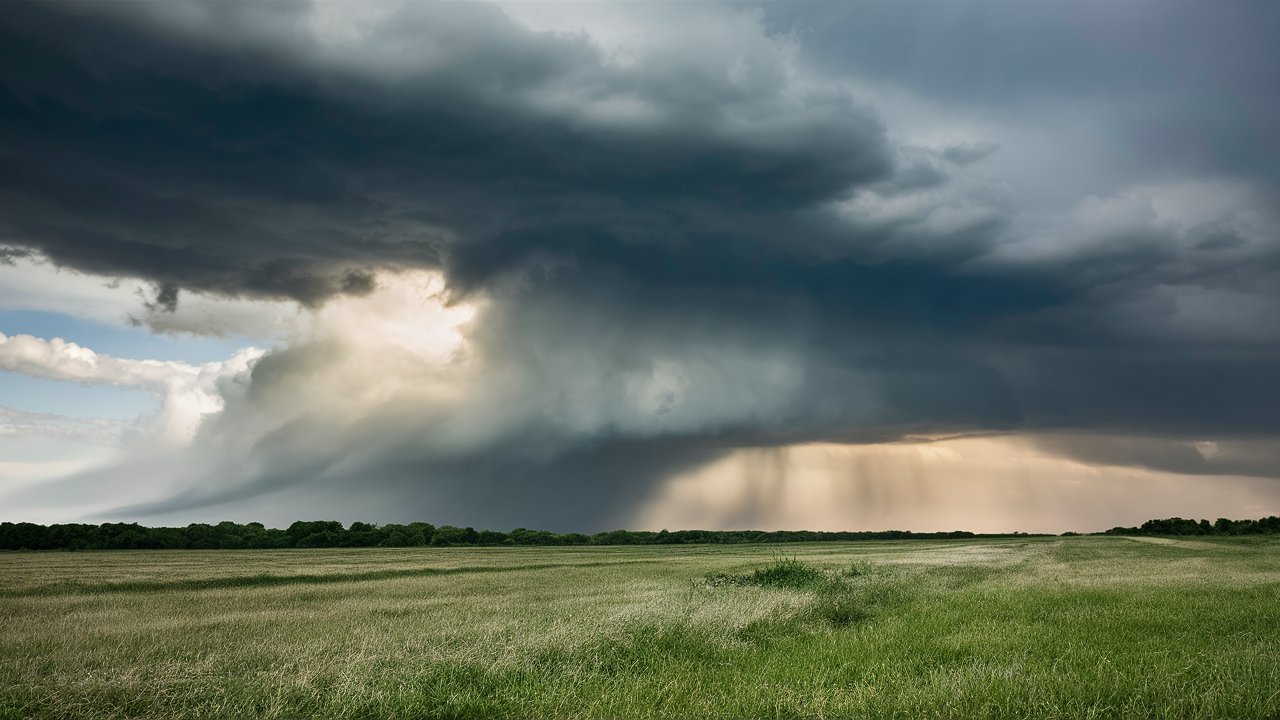
The Kankakee Tornado 2026 has become one of the most trending and discussed natural disasters in recent memory, capturing national attention due to its intensity, widespread damage, and the resilience of the affected communities. Located in northeastern Illinois, Kankakee faced a devastating tornado event that left a lasting mark on the region’s landscape and its people. As social media platforms, news outlets, and meteorological agencies continue to share updates, the story of the Kankakee tornado has evolved into a symbol of both tragedy and unity. Understanding what happened, how the community responded, and what lessons can be learned from this event is essential for improving future disaster preparedness and response strategies.
What Happened During the Kankakee Tornado 2026
The Kankakee Tornado of 2026 struck unexpectedly during a severe weather outbreak that swept across parts of Illinois and neighboring states. Meteorologists reported that the storm system developed rapidly, fueled by warm, moist air colliding with a cold front moving from the northwest. The tornado touched down near the outskirts of Kankakee County before intensifying into a powerful twister that tore through residential neighborhoods, farmlands, and commercial areas.
Eyewitnesses described the tornado as a massive, dark funnel cloud accompanied by deafening winds and flying debris. Within minutes, homes were destroyed, power lines were downed, and roads became impassable. Emergency sirens blared across the city, giving residents only a short window to seek shelter. The National Weather Service later confirmed that the tornado reached EF4 intensity on the Enhanced Fujita Scale, with wind speeds exceeding 170 miles per hour. The scale of destruction made it one of the most severe tornadoes to hit Illinois in recent years.
Why the Kankakee Tornado 2026 Is Trending
The Kankakee Tornado 2026 is trending across social media and news platforms for several reasons. First, the sheer magnitude of the storm and the dramatic visuals shared online have drawn widespread attention. Videos captured by residents and drone footage showing the tornado’s path of destruction quickly went viral, sparking conversations about climate change, weather prediction technology, and community resilience.
Second, the human stories emerging from Kankakee have resonated deeply with audiences nationwide. Accounts of families surviving against all odds, first responders risking their lives, and volunteers mobilizing to provide aid have inspired millions. Hashtags such as #KankakeeTornado2026 and #PrayForKankakee have trended on platforms like X (formerly Twitter), TikTok, and Facebook, amplifying awareness and encouraging donations for relief efforts.
Finally, the event has reignited discussions about the increasing frequency and severity of extreme weather events in the Midwest. Scientists and environmental experts are analyzing whether climate change may be contributing to more volatile storm systems, making the Kankakee tornado not just a local tragedy but a national talking point.
The Impact on Kankakee and Surrounding Areas
The tornado’s impact on Kankakee and nearby towns was catastrophic. Entire neighborhoods were flattened, schools and businesses sustained heavy damage, and thousands of residents were displaced. The local power grid suffered extensive outages, leaving many without electricity or clean water for days. Emergency shelters were quickly established in schools, churches, and community centers to accommodate those who lost their homes.
Agricultural losses were also significant, as Kankakee County’s farmlands—known for corn and soybean production—were severely affected. The destruction of crops and farm infrastructure has raised concerns about long-term economic recovery for local farmers. Infrastructure damage, including collapsed bridges and blocked highways, further complicated rescue and relief operations.
Despite the devastation, the community’s response has been remarkable. Local authorities, the Illinois Emergency Management Agency, and the Federal Emergency Management Agency (FEMA) coordinated efforts to provide immediate relief. Volunteers from across the state arrived to assist with debris removal, food distribution, and medical support. The resilience and unity displayed by Kankakee residents have become a defining feature of the recovery process.
Emergency Response and Relief Efforts
In the aftermath of the Kankakee Tornado 2026, emergency response teams acted swiftly to assess damage and rescue trapped individuals. Search and rescue operations continued for several days, supported by local firefighters, police departments, and the National Guard. Medical teams set up temporary clinics to treat injuries ranging from minor cuts to severe trauma.
Nonprofit organizations such as the American Red Cross, Salvation Army, and local charities played a crucial role in providing food, clothing, and shelter. Donations poured in from across the country, with fundraising campaigns launched online to support rebuilding efforts. The state government declared a disaster emergency, unlocking federal funds to aid in reconstruction and infrastructure repair.
The coordinated response highlighted the importance of preparedness and community cooperation during natural disasters. Officials have since emphasized the need for improved early warning systems, better storm shelters, and public education on tornado safety.
Lessons Learned and Future Preparedness
The Kankakee Tornado 2026 serves as a powerful reminder of the unpredictability of nature and the importance of disaster readiness. Meteorologists are using data from this event to refine forecasting models and improve early warning systems. Local governments are reviewing building codes to ensure that new constructions can better withstand high winds.
Community leaders are also advocating for increased investment in emergency infrastructure, including storm shelters and communication networks. Schools and workplaces are updating their emergency protocols to ensure faster and safer evacuations in the event of future storms. The lessons learned from Kankakee’s experience are expected to influence disaster management strategies across the Midwest.
Conclusion
The Kankakee Tornado 2026 will be remembered as one of the most significant weather events in Illinois history. While the destruction was immense, the resilience and unity of the Kankakee community have stood out as a beacon of hope. The trending discussions surrounding this event highlight not only the tragedy but also the strength of human compassion and cooperation in times of crisis. As rebuilding continues, Kankakee’s story serves as a testament to the power of preparedness, solidarity, and perseverance in the face of nature’s fury.
Frequently Asked Questions (FAQ)
1. What caused the Kankakee Tornado 2026?
The tornado was caused by a severe weather system involving warm, moist air colliding with a cold front, creating conditions favorable for tornado formation.
2. How strong was the Kankakee Tornado 2026?
The National Weather Service rated it as an EF4 tornado, with wind speeds exceeding 170 miles per hour.
3. How much damage did the tornado cause?
Preliminary estimates suggest damages exceeding hundreds of millions of dollars, including homes, businesses, and agricultural losses.
4. Were there any casualties?
Authorities confirmed multiple injuries and fatalities, though exact numbers are still being verified as recovery efforts continue.
5. Why is the Kankakee Tornado 2026 trending online?
It’s trending due to viral videos, widespread media coverage, and national discussions about climate change, disaster response, and community resilience.
6. How is Kankakee recovering after the tornado?
Relief efforts are ongoing, with local and federal agencies providing aid, rebuilding infrastructure, and supporting displaced residents.
7. What can be done to prevent such disasters in the future?
While tornadoes cannot be prevented, improved forecasting, stronger building codes, and public awareness can reduce their impact.
8. How can people help those affected by the Kankakee Tornado 2026?
Donations to verified charities, volunteering for relief efforts, and supporting local rebuilding initiatives are effective ways to help.
9. What lessons were learned from the Kankakee Tornado 2026?
The event underscored the importance of early warnings, community preparedness, and coordinated emergency response systems.
10. Will Kankakee be better prepared for future storms?
Yes, local authorities are implementing new safety measures, updating infrastructure, and enhancing public education to ensure greater resilience in the future.