
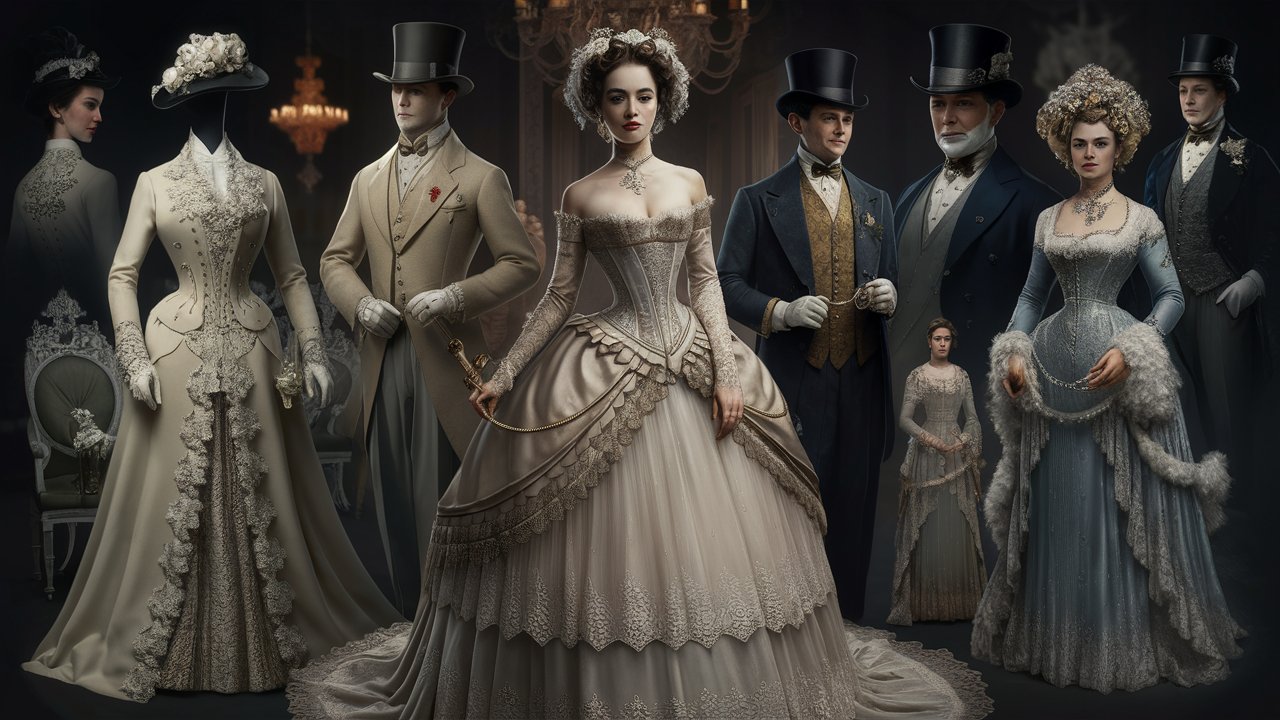
Fashion in the Victorian Age was more than just clothing—it was a reflection of social class, morality, and cultural transformation. Spanning from 1837 to 1901 during Queen Victoria’s reign, this era witnessed dramatic changes in style, fabric, and design that mirrored the evolving roles of men and women in society. The Victorian period was marked by industrial progress, colonial expansion, and strict social codes, all of which influenced how people dressed. From the elaborate gowns of the upper class to the practical attire of the working class, Victorian fashion remains one of the most iconic and studied periods in fashion history.
The Essence of Victorian Fashion
Victorian fashion was deeply influenced by the values and ideals of the time. Modesty, refinement, and social propriety were central to the way people dressed. Clothing was not merely functional; it was a symbol of respectability and moral virtue. The Industrial Revolution made fabrics and garments more accessible, but the upper classes continued to use fashion as a means of distinction. The elaborate designs, intricate lacework, and luxurious fabrics of the wealthy contrasted sharply with the simpler, more practical clothing of the working class.
The Victorian era also saw the rise of fashion magazines and department stores, which made style trends more widely available. Women’s fashion, in particular, became a form of self-expression and social communication, reflecting both personal taste and societal expectations.
Women’s Fashion in the Victorian Age
Women’s fashion during the Victorian Age was characterized by elegance, modesty, and complexity. Early in the era, dresses featured full skirts supported by layers of petticoats and crinolines. The hourglass silhouette became the ideal, achieved through tightly laced corsets that accentuated the waist and emphasized the bust and hips. Fabrics such as silk, satin, and velvet were popular among the wealthy, often adorned with lace, ribbons, and embroidery.
As the century progressed, fashion evolved with changing social attitudes and technological advancements. The 1870s introduced the bustle, which added volume to the back of the skirt, creating a dramatic and sophisticated profile. High necklines, long sleeves, and gloves were essential for maintaining modesty, while bonnets and parasols completed the ensemble. By the late Victorian period, women’s clothing became slightly more practical, reflecting the growing movement for women’s rights and independence.
Men’s Fashion in the Victorian Era
Men’s fashion in the Victorian Age emphasized formality, structure, and refinement. The typical gentleman’s wardrobe included tailored suits, waistcoats, and crisp shirts with high collars. Early Victorian men often wore frock coats and cravats, while later decades introduced the morning coat and lounge suit, which became precursors to modern business attire.
Accessories played a crucial role in defining a man’s social status. Top hats, pocket watches, gloves, and walking canes were symbols of sophistication and respectability. Dark colors such as black, navy, and brown dominated men’s fashion, reflecting the era’s preference for restraint and dignity. Even casual wear maintained a sense of decorum, as appearance was considered a reflection of character and morality.
Fashion and Social Class in the Victorian Age
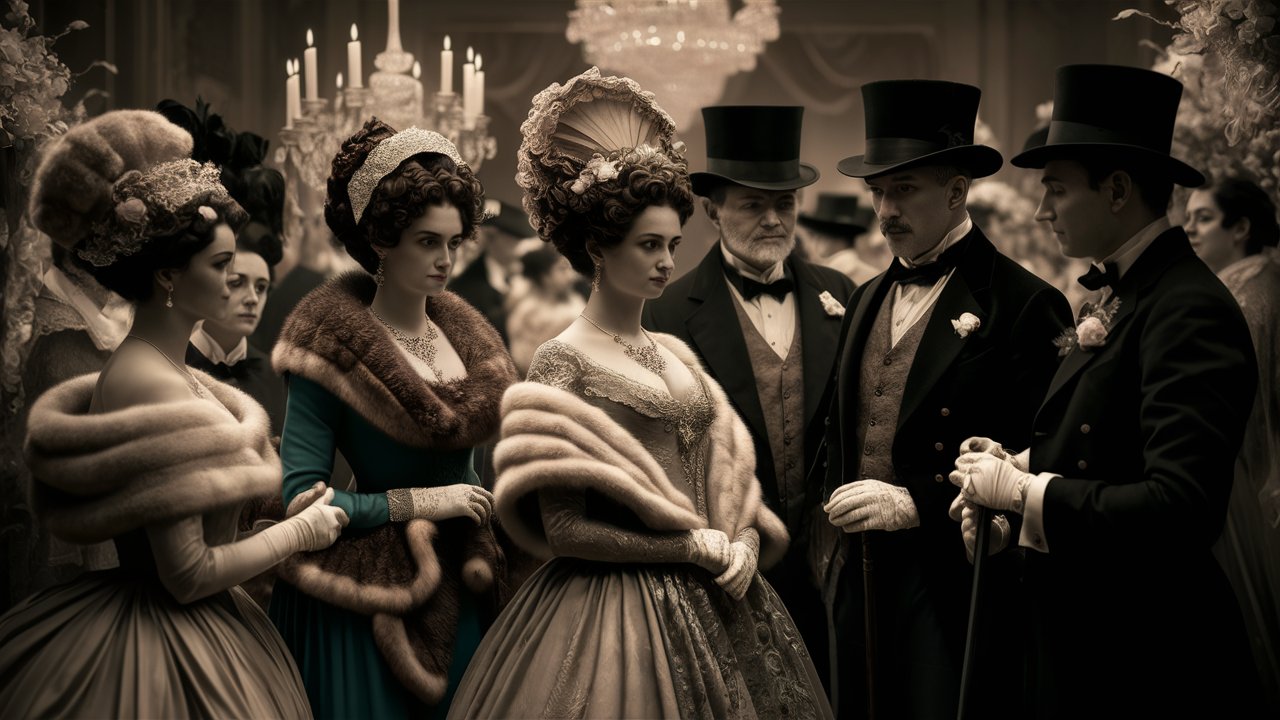
Clothing in the Victorian Age was a clear indicator of social class. The upper class could afford luxurious fabrics, custom tailoring, and elaborate embellishments, while the middle class sought to emulate aristocratic styles within their means. The working class, on the other hand, wore practical garments made from durable materials suitable for labor.
Fashion also reinforced gender and class distinctions. Women of higher status were expected to change outfits multiple times a day—for morning visits, afternoon tea, and evening events—each outfit serving a specific social function. Servants and laborers, however, had limited wardrobes and often wore uniforms or simple dresses. This visual hierarchy made it easy to identify one’s social position at a glance.
The Evolution of Victorian Fashion
The Victorian Age spanned more than six decades, and fashion evolved significantly during this time. The early years were influenced by Romanticism, with soft lines and delicate fabrics. The mid-century introduced the crinoline, a cage-like structure that expanded skirts to enormous widths. By the 1870s, the bustle replaced the crinoline, shifting volume to the back of the dress.
In the final decades of the 19th century, fashion became more tailored and practical. The aesthetic movement encouraged artistic and natural styles, rejecting the rigid constraints of earlier fashions. This shift laid the foundation for the simpler, more functional clothing of the Edwardian era and the early 20th century.
Accessories and Hairstyles
Accessories were essential to completing the Victorian look. Women adorned themselves with jewelry, gloves, fans, and parasols, while men favored pocket watches, cufflinks, and hats. Hairstyles also evolved throughout the period. Women often wore their hair in elaborate updos, decorated with ribbons or flowers, while men preferred neatly groomed styles with sideburns or mustaches.
These details were not merely decorative—they conveyed social messages about wealth, taste, and propriety. Even the smallest accessory could signify refinement and adherence to social norms.
Conclusion
Fashion Victorian Age was a complex interplay of beauty, morality, and social identity. It reflected the values of an era defined by progress, propriety, and transformation. From the grandeur of women’s gowns to the precision of men’s tailoring, Victorian fashion continues to captivate historians, designers, and enthusiasts alike. Its influence can still be seen in modern fashion, where elements of Victorian elegance and craftsmanship remain timeless symbols of sophistication. Understanding Victorian fashion offers a window into the cultural and social fabric of the 19th century—a period where clothing was not just worn but lived as an expression of identity and status.
Frequently Asked Questions
1. What defined women’s fashion in the Victorian Age?
Women’s fashion was defined by modesty, elaborate designs, and structured silhouettes created with corsets, crinolines, and bustles.
2. How did men dress during the Victorian era?
Men typically wore tailored suits, waistcoats, and top hats, emphasizing formality and refinement in both public and private life.
3. What materials were popular in Victorian clothing?
Common materials included silk, velvet, satin, cotton, and wool, often adorned with lace, ribbons, and embroidery for decorative effect.
4. How did social class influence Victorian fashion?
Social class determined the quality, style, and quantity of clothing. The wealthy wore luxurious, custom-made garments, while the working class dressed in practical, durable attire.
5. Why is Victorian fashion still influential today?
Victorian fashion continues to inspire modern designers due to its intricate craftsmanship, romantic silhouettes, and timeless elegance that blend history with artistry.