
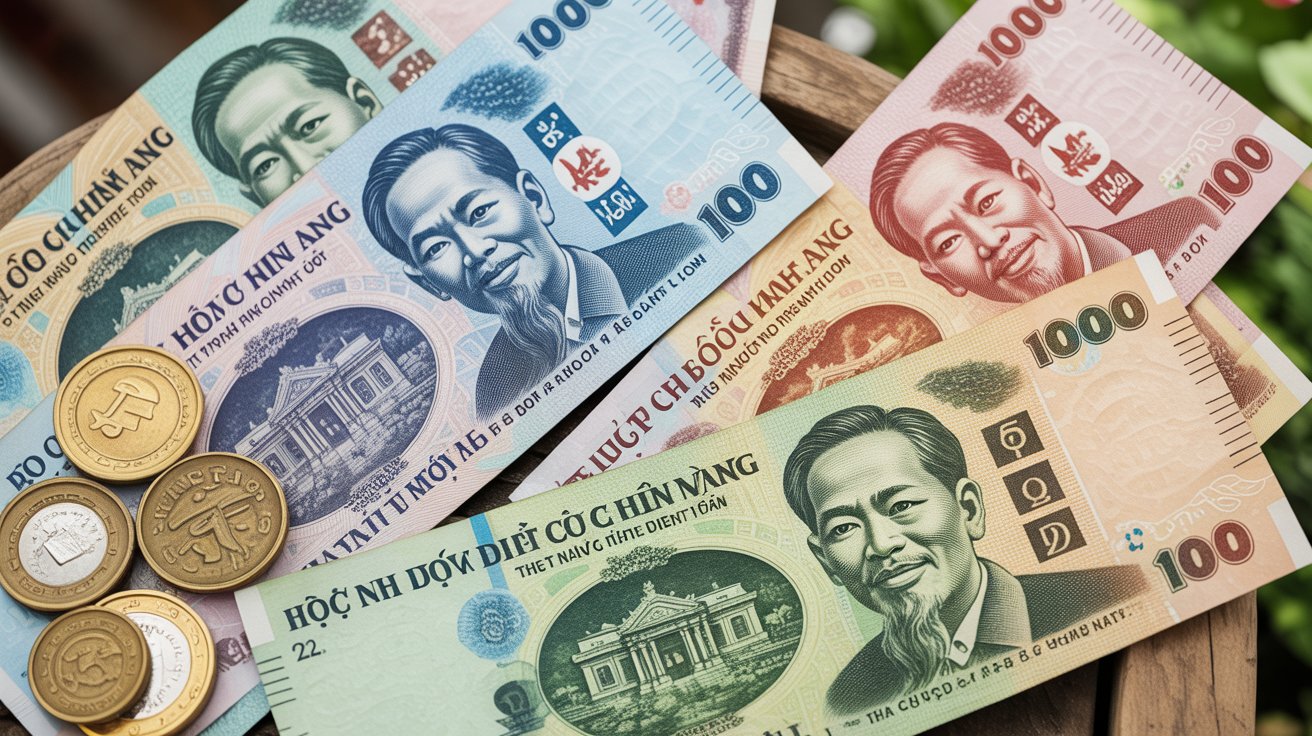
Vietnam, a rapidly developing nation in Southeast Asia, has become a major destination for travelers, investors, and businesses. Understanding the Vietnam country currency, officially known as the Vietnamese Dong (VND), is essential for anyone planning to visit or engage in financial activities in the country. The Vietnamese Dong reflects Vietnam’s economic history, cultural identity, and its journey from a war-torn nation to one of Asia’s fastest-growing economies. This comprehensive guide explores the history, value, exchange rates, denominations, and practical tips for using the Vietnamese Dong effectively.
1. What Is the Currency of Vietnam?
The official currency of Vietnam is the Vietnamese Dong, abbreviated as VND and symbolized as “₫”. It is issued and regulated by the State Bank of Vietnam. The Dong has been the country’s official currency since 1978, following the reunification of North and South Vietnam. The term “Dong” translates to “copper” in Vietnamese, a reference to the metal once used to mint coins. Today, the Dong exists in both paper notes and coins, though coins are rarely used in daily transactions.
2. History of the Vietnamese Dong
The history of the Vietnamese Dong currency is deeply tied to the nation’s political and economic evolution. Before the Dong, Vietnam used several currencies, including the French Indochinese Piastre during colonial times. After gaining independence, North and South Vietnam each had their own versions of the Dong. When the country reunified in 1975, the government introduced a new national currency to replace the old ones. Over the decades, the Dong has undergone several redenominations to stabilize the economy and control inflation. These reforms reflect Vietnam’s transition from a centrally planned economy to a market-oriented one.
3. Denominations and Banknotes
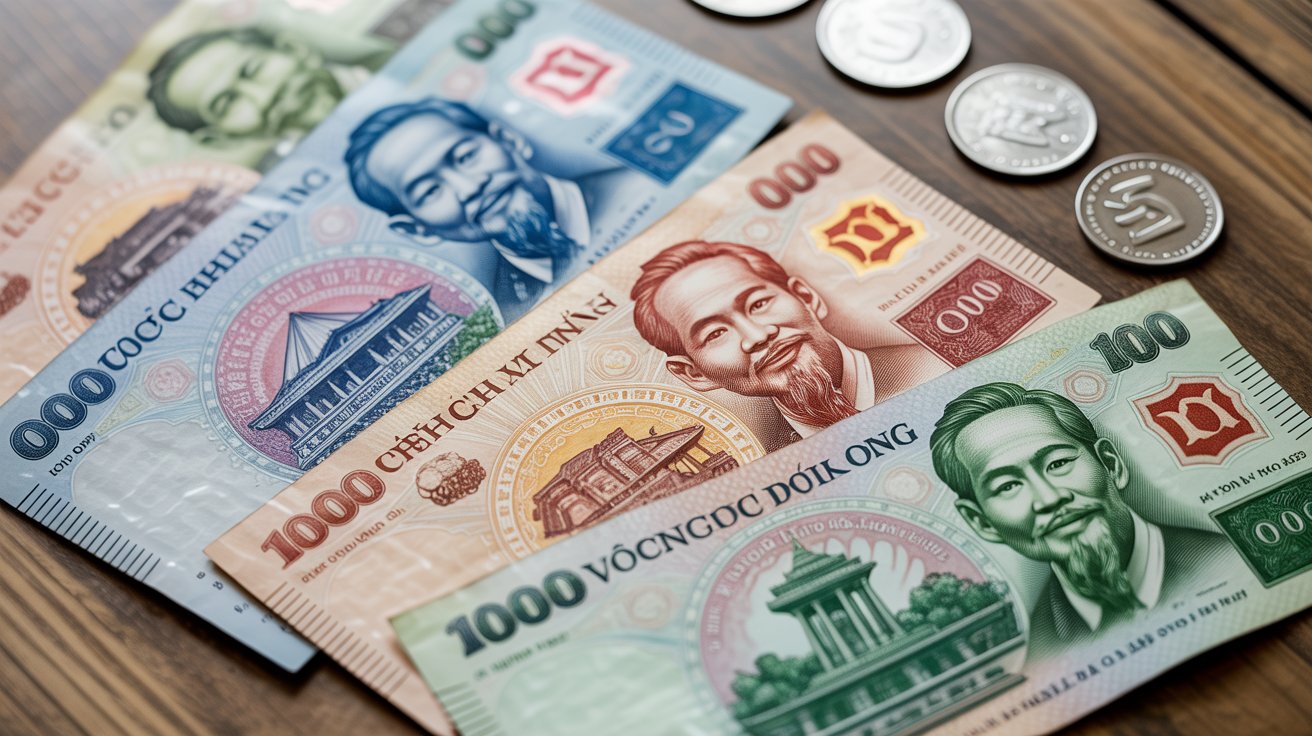
The Vietnamese Dong is available in various denominations, primarily in paper notes. Commonly used banknotes include 1,000₫, 2,000₫, 5,000₫, 10,000₫, 20,000₫, 50,000₫, 100,000₫, 200,000₫, and 500,000₫. The notes are colorful and feature images of national landmarks, cultural symbols, and portraits of Ho Chi Minh, the country’s founding leader. Coins exist in denominations of 200₫, 500₫, 1,000₫, 2,000₫, and 5,000₫, but they are rarely used due to their low value and limited circulation. Most transactions in Vietnam are conducted using paper notes, and digital payments are becoming increasingly popular in urban areas.
4. Exchange Rate and Value of the Vietnamese Dong
The exchange rate of the Vietnamese Dong is relatively low compared to major global currencies, making Vietnam an affordable destination for tourists. As of recent years, 1 US Dollar equals approximately 24,000 to 25,000 VND, though rates fluctuate depending on market conditions. The Dong is considered a non-convertible currency, meaning it cannot be freely traded outside Vietnam. Exchange services are available at banks, airports, and authorized money changers. Travelers are advised to exchange currency within Vietnam for the best rates and to avoid counterfeit notes by using official exchange points.
5. Using the Vietnamese Dong in Daily Life
In daily life, the Vietnamese Dong is used for all transactions, from street food purchases to hotel payments. Cash remains the most common payment method, especially in rural areas. However, major cities like Hanoi, Ho Chi Minh City, and Da Nang are increasingly adopting digital payment systems such as credit cards, mobile wallets, and QR code payments. Bargaining is common in local markets, and small denominations are useful for everyday purchases. It is also important to handle large numbers carefully, as the high denominations can be confusing for first-time visitors.
6. Tips for Handling Vietnamese Currency
When dealing with the Vietnam country currency, several practical tips can help ensure smooth transactions. Always carry smaller notes for convenience, as many small vendors may not have change for large denominations. Keep money organized to avoid confusion between similar-looking notes. Be cautious when exchanging money and use authorized exchange counters to prevent scams. It is also advisable to check the latest exchange rates before making large transactions. For travelers, withdrawing cash from ATMs is convenient, but some machines may charge foreign transaction fees.
7. The Role of the Dong in Vietnam’s Economy
The Vietnamese Dong plays a crucial role in the country’s economic development. Over the past decades, Vietnam has maintained a stable currency policy to support export growth and attract foreign investment. The government’s monetary policies aim to control inflation and ensure sustainable growth. The Dong’s relatively low value has made Vietnam a competitive manufacturing hub, attracting global companies in electronics, textiles, and technology. As Vietnam continues to integrate into the global economy, the stability of the Dong remains a key factor in its financial success.
8. Future Outlook of the Vietnamese Dong
The future of the Vietnamese Dong looks promising as the country continues to modernize its financial system. The State Bank of Vietnam is exploring digital banking innovations and considering the potential of a digital Dong to enhance financial inclusion. Economic reforms, foreign investments, and trade agreements are expected to strengthen the currency’s stability. While the Dong may not become a major global currency soon, its steady performance reflects Vietnam’s growing economic confidence and resilience.
Conclusion
The Vietnam country currency, the Vietnamese Dong (VND), is more than just a medium of exchange—it represents Vietnam’s history, culture, and economic transformation. Understanding its value, denominations, and usage is essential for travelers, investors, and anyone interested in Vietnam’s financial landscape. As the nation continues to grow and modernize, the Dong remains a symbol of national pride and economic progress, connecting Vietnam’s rich past with its dynamic future.
Frequently Asked Questions (FAQ)
1. What is the official currency of Vietnam?
The official currency of Vietnam is the Vietnamese Dong (VND), symbolized as ₫.
2. Can US dollars be used in Vietnam?
While some hotels and tourist areas accept US dollars, the Vietnamese Dong is the primary currency used for most transactions.
3. What is the exchange rate of the Vietnamese Dong?
The exchange rate fluctuates, but generally, 1 USD equals around 24,000–25,000 VND.
4. Are credit cards widely accepted in Vietnam?
Credit cards are accepted in major cities and tourist areas, but cash is preferred in smaller towns and local markets.
5. Is it easy to exchange money in Vietnam?
Yes, currency exchange services are available at banks, airports, and authorized money changers throughout the country.
6. Are coins still used in Vietnam?
Coins exist but are rarely used in daily transactions due to their low value and limited circulation.
7. What is the largest denomination of the Vietnamese Dong?
The largest denomination is the 500,000₫ note, which is commonly used for large purchases or hotel payments.